REVIEW · NEW YORK CITY
The Met Museum & Central Park New York Exclusive Guided Tour
Book on Viator →Operated by Babylon Tours New York City · Bookable on Viator
Two New York icons, one smooth route. This private 5.5-hour day ties together Met admission and Central Park sights, so you can enjoy big-name art and outdoor landmarks without turning your trip into a scavenger hunt. I also like the small-group feel, with a guide who can steer you from room to room and stop to stop.
What I like most is how the tour goes specific instead of generic. At the Met you start in the Great Hall, then hit the Medieval Europe and American Wing highlights that many visitors miss, and you wrap the day with park icons like Bow Bridge and Strawberry Fields. One guide name that stands out in the feedback is Mark from Babylon Tours, praised for a strong pace and a friendly, helpful attitude.
One possible drawback: you cover a lot ground in one day, so you will want to keep expectations tight. If you want hours of free roaming in the Met or long stretches of unhurried park time, this format may feel a bit scheduled.
In This Review
- Key things to know before you go
- A 5.5-hour Met-and-Central-Park plan that actually keeps you on track
- Entering the Met: Great Hall, Medieval Europe, and the American Wing highlights
- Medieval Europe: armor, court life, and the Studiolo
- American Wing: Washington and the feel of a museum that grew with the U.S.
- Europe’s painter stories: Vermeer, Seurat, and Van Gogh
- Central Park without wandering: bridges, memorials, and a line you can follow
- The park’s “breathing space” and the stops that anchor it
- Gapstow Bridge: one of the best skyline photo moments
- Bow Bridge: cast iron with a classical look
- Turtle Pond and Great Lawn: a pause built into the walk
- The big-name landmarks: 432 Park Avenue, Time Warner Center, and the Dakota
- 432 Park Avenue: a residential skyscraper with serious views
- Time Warner Center: twin towers linked by an atrium
- The Dakota and Strawberry Fields: Lennon’s story as a stop on your walk
- Bethesda Fountain and the literary/film-famous park moments
- Sheep Meadow to the Central Park Zoo finish: what happens at the end
- Why the guide quality is the real value (and not just the bonus)
- Price and what $238.50 buys you in real terms
- Who should book this Met and Central Park day
- Should you book this guided tour?
- FAQ
- How long is the tour, and what time does it start?
- Where do we meet for the tour?
- Is admission to the Met included?
- Is Central Park Zoo admission included at the end?
- Is this tour private, and how many people are in a booking?
- What should I know about bags, dress, and possible Met closures?
Key things to know before you go

- Met admission is included, and the tour route is built around top galleries rather than a loose walk
- Small private group (max 8) means your guide can adjust timing and keep the flow manageable
- Central Park is a guided route, with big landmarks clustered so you avoid zigzagging across the park
- Major photo stops are included: Bow Bridge, Gapstow Bridge, Bethesda Fountain, and the Dakota
- The Central Park Zoo is an optional linger point, but entry isn’t included
- Museum rules matter: no large bags inside the Met, and some areas require quieter behavior
A 5.5-hour Met-and-Central-Park plan that actually keeps you on track
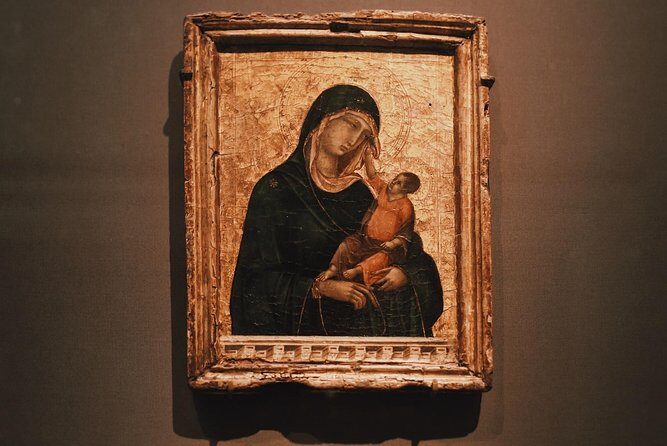
This tour is designed for people who want both the art-world heavyweight of the Met and the greatest-hit stops of Central Park, without spending your day fighting directions. You meet at 10:30 am at the Met (1000 5th Ave), and the schedule runs about 5 hours 30 minutes, including a lunch break.
I like that it’s built for real-world New York time pressure. The guide does the “where do we go next?” part, so you can focus on looking, learning, and photographing.
Other Central Park combo tours with the Met & Natural History



Entering the Met: Great Hall, Medieval Europe, and the American Wing highlights
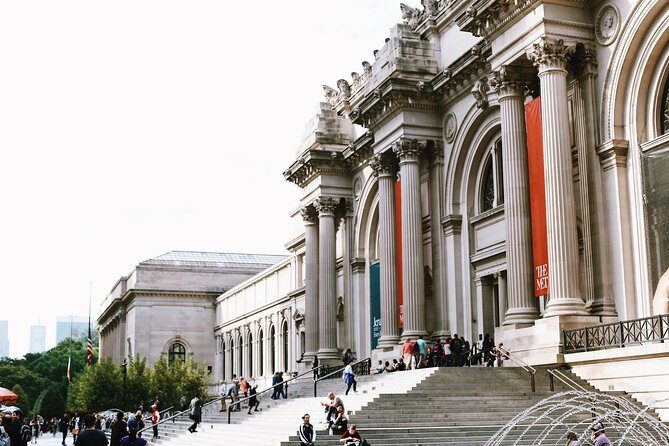
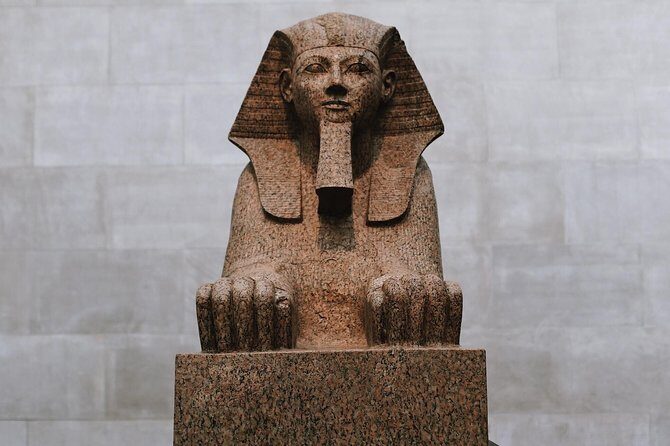
The day starts at the Metropolitan Museum of Art, and you begin in the Great Hall—a smart move because it sets the tone before you head into the galleries. From there, you shift into key “story” areas, with the guide tying objects to people and places so everything feels connected instead of like random rooms.
Medieval Europe: armor, court life, and the Studiolo
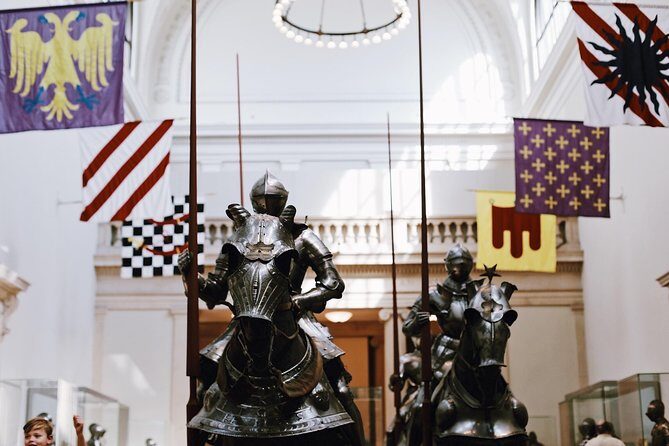
One of the most interesting segments is Medieval Europe, where you hear about the Studiolo connected with the Ducal Palace and you also learn about armory associated with Henry VIII. This is the kind of stop that helps you read the objects as historical clues, not just items behind glass.
Why it’s valuable: it gives you a framework. Even if you only remember a few details, you’ll know what to look for and how to connect the “what” to the “why.”
American Wing: Washington and the feel of a museum that grew with the U.S.
In the American Wing, you’ll see the well-known portrait of Washington crossing the Delaware River, plus major architectural features like the staircase connected to the Chicago Stock Exchange. The guide also explains how the American collection and approach differ from older European museums, including the point that major momentum began before the United States was even 100 years old.
Practical angle: if you’ve ever felt overwhelmed by the Met’s sheer size, this section helps you get oriented fast.
Europe’s painter stories: Vermeer, Seurat, and Van Gogh
The tour also spends time on European wings with painter-focused context, including Vermeer, Seurat, and Van Gogh. Instead of treating these artists as name-checks, your guide connects their work to what was happening around them, so the paintings land with more meaning.
A small consideration: the Met can have occasional closures, and if that happens and your start time is delayed by more than an hour, you’re meant to get an appropriate alternative. Still, the policy notes that refunds or discounts aren’t offered in those cases.
Other guided tours in New York City





Central Park without wandering: bridges, memorials, and a line you can follow
After lunch, you switch from museum scale to park scale—and the guide keeps the walk structured. Central Park isn’t just scenery here; it’s treated like a walking museum, with memorials and artwork marking real figures and stories.
The park’s “breathing space” and the stops that anchor it
Central Park is the city’s signature escape, but the tour points out that it’s also where people chose to honor others—figures like Bolivar and Marti, plus artwork connected to Balto and Hans Christian Andersen. It’s a helpful reminder because it shifts you from thinking of the park as a green backdrop to understanding it as designed public space.
Gapstow Bridge: one of the best skyline photo moments
You cross Gapstow Bridge, which is a schist bridge originally built in 1874. It’s also one of the tour’s clear photography windows because you can grab skyline views while you’re in motion.
If you’re a photo person, this is a good spot to slow down for a moment and get a few angles. The guide’s focus on the viewpoint helps you avoid the typical mistake of photographing the bridge without capturing the skyline.
Bow Bridge: cast iron with a classical look
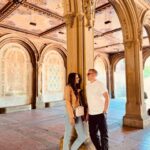
Another standout is Bow Bridge, the largest bridge in the park. It’s a cast iron bridge with classical Greek refinement styling—down to the details like interlocking-circle banisters and decorative elements under the arch span.
This is the kind of stop that pays off because it’s easy to walk past casually. With a guide pointing out the details, you’ll actually notice the design instead of just seeing a bridge.
Turtle Pond and Great Lawn: a pause built into the walk
As you move toward the Great Lawn, you get a close look at Turtle Pond, where the park’s turtles live. The Great Lawn itself is described as a famous open space, great for picnics or sitting in warmer months—so even as the tour keeps moving, you get a chance to breathe.
Practical tip: Central Park days can be weather-shifty. If you bring a small layer, you’ll feel better during any windy bridge moments and open-lawn stops.
The big-name landmarks: 432 Park Avenue, Time Warner Center, and the Dakota
Not every stop is “inside” a building, but the tour includes enough city variety to break up the day.
432 Park Avenue: a residential skyscraper with serious views
You enter the park after meeting near equestrian statues by Latin America History on the corner of 6 Ave & 59 St. From there, you walk toward a view of the new super-tall cluster, then focus on 432 Park Avenue—a residential skyscraper overlooking Central Park.
The tour frames it as one of the top height landmarks in Manhattan, described as the second tallest building in New York behind One World Trade Centre. Even if you don’t care about architecture, this stop gives you a “this city is built on height” perspective.
Time Warner Center: twin towers linked by an atrium
You also see the Time Warner Center, a mixed-use complex with two twin towers bridged by a multi-story atrium. It’s a quick visual stop, but useful because it shows you a different style of modern Manhattan design between the park and the Met’s classic galleries.
The Dakota and Strawberry Fields: Lennon’s story as a stop on your walk
Two of the most emotionally recognizable stops in the route are the Dakota and Strawberry Fields. The Dakota, built in 1884, is described as a cooperative building that keeps much of its original character, and it’s tied to John Lennon, who lived there from 1973 until his death in the building’s archway area in 1980.
Then you reach Strawberry Fields, a 2.5-acre tribute space marked as a quiet area. The landscaping is part of the experience: elm trees, shrubs, flowers, and rocks help make it feel like a calmer pocket inside a loud city.
Bethesda Fountain and the literary/film-famous park moments
A key stop is Bethesda Fountain and the Angel of Bethesda atop the Bethesda Terrace. The tour notes that this angel is New York City’s first major piece of public art commissioned from a woman—an eye-opening detail that adds weight to what can otherwise be a quick glance photo.
You’ll also walk along the Mall and hear about statues and memorials tied to literary figures placed along either side. It’s a smart way to connect Central Park’s design to the people the city chose to remember.
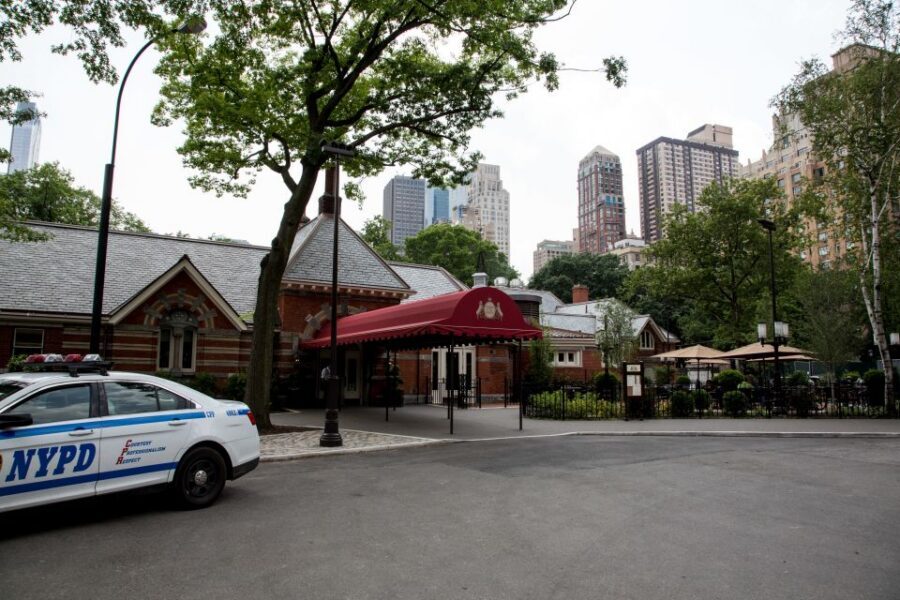
And yes, you’ll pass Tavern on the Green as part of the route, which gives you a recognizable “Hollywood moment” feeling—still, the practical value is that it marks a landmark you can use to orient yourself as you continue toward the more relaxed parts of the park.
Sheep Meadow to the Central Park Zoo finish: what happens at the end
As the tour heads toward the end of the day, it turns toward a classic local hangout: Sheep Meadow, described as a place where New Yorkers of all walks of life relax and step away from city life. This is a good landing point because it balances the “famous sites” energy with a place that feels more normal and lived-in.
The tour ends at the Central Park Zoo at the southeast corner of the park. From there, you can either stay and enjoy the park views or have your guide accompany you to the nearest subway. Zoo admission is marked as not included, so if you want to go in, you’ll need to plan for that separately.
Why the guide quality is the real value (and not just the bonus)
The Met and Central Park can be done on your own, sure. But the value here comes from how your guide filters the day.
In feedback, Mark (Babylon Tours) is praised for knowledge that feels curator-level, plus kindness, humor, and attention to what the group wants to see at the speed they want. A memorable detail from the experience feedback: he stayed with the group in rain, even gave his umbrella to a mother, and helped them find a cab afterward. That kind of care matters because New York weather and crowds don’t care about your museum stamina.
Look for a guide who:
- keeps you moving without rushing your attention,
- highlights specific features you’d skip alone,
- and helps you make quick decisions so you don’t waste time.
This tour leans hard into that approach.
Price and what $238.50 buys you in real terms
At $238.50 per person, this isn’t a budget day—but it’s not priced like a luxury car-and-driver itinerary either. You’re paying for a private guided route that covers major Museum of Art time plus a long, structured Central Park walk with multiple landmark stops.
Here’s the value math I see:
- Met admission is included, which is one of the biggest ticket items in the plan.
- the guide isn’t shared with a massive crowd; the group is capped at 8.
- the walking route bundles famous sights efficiently, so you’re not paying in time (the real currency in Manhattan).
The main tradeoff is that you’re buying direction and interpretation, not freedom to linger in every room for an hour. If that’s your style, this price makes sense. If you want total independence, you may find DIY cheaper.
Who should book this Met and Central Park day
This tour fits best if you want:
- a guided Met visit that hits real highlights without getting lost in the scale,
- a Central Park route that covers bridges, memorials, and iconic viewpoints in a logical order,
- and a guide who can handle pace, questions, and timing.
It also helps if you have a moderate fitness level. You’ll be walking through the park and across substantial spaces in the museum, and the plan assumes you can comfortably do that.
If you’re the type who loves slow wandering with long breaks in museums, consider whether you’ll feel rushed. In that case, you might prefer a more flexible tour—or museum time first, park time second, with less packed scheduling.
Should you book this guided tour?
I’d book it if your ideal NYC day looks like: start with art that you can actually process, then spend the afternoon on a guided Central Park walk that hits the major name stops. The private size (max 8), the included Met admission, and the guide-led connections between objects and places make it a strong value for people who want structure without feeling trapped.
I’d skip or adjust expectations if you want long open-ended time in the Met, or if you don’t enjoy walking through packed tourist zones. In a city where plans can change fast, having a guide to manage the day usually helps more than it hinders.
FAQ
How long is the tour, and what time does it start?
The tour runs for about 5 hours 30 minutes, including a lunch break. The start time is 10:30 am.
Where do we meet for the tour?
You meet at The Metropolitan Museum of Art, 1000 5th Ave, New York, NY 10028.
Is admission to the Met included?
Yes. Admission to the Metropolitan Museum of Art is included as part of the tour.
Is Central Park Zoo admission included at the end?
No. The tour ends near the Central Park Zoo, but zoo admission is listed as not included. You can stay and enjoy the surroundings, or head to the subway.
Is this tour private, and how many people are in a booking?
It is a private tour/activity. The group size is capped at a maximum of 8 people per booking, and only your group participates.
What should I know about bags, dress, and possible Met closures?
The Met security rules note no large bags or suitcases inside the museum (only handbags or small thin bag packs). Appropriate dress is required for some sites. The Met may have occasional closures, and if the museum opening is delayed by more than 1 hour from the tour start, you should receive an alternative, but refunds or discounts aren’t offered in those cases.
If you’d like, tell me your travel dates and whether you prefer photo stops or museum time, and I can suggest how to pace your day around the fixed route.