REVIEW · NEW YORK CITY
Central Park Guided Pedicab Tours
Book on Viator →Operated by Peter Pan Tours of Central Park · Bookable on Viator
Central Park is too big for one casual walk. This guided pedicab ride makes sense of the park’s bridges, fountains, and famous corners without you needing to map every turn.
I love how much you get in the time—most stops are free to enjoy once you’re there—and I especially like the storytelling stops, where your driver connects architecture, design, and pop-culture moments. One thing to plan for: Central Park is tree-heavy, so in full leaf some statues and buildings can be harder to spot unless your timing and route line up.
In This Review
- Key highlights to know before you go
- A pedicab that turns Central Park into a guided route
- Price and what feels like real value at $65
- Timing: choosing 1 hour, 2 hours, or the full park
- The 1-hour loop: key icons without the overload
- The 2-hour option: full circuit, but only in warm months
- The 3-hour tour: the whole park experience
- The best ride “flow”: where the stops feel most worth it
- Bethesda Terrace and Bethesda Fountain: the classic pause
- Cherry Hill and Bow Bridge: photos, romance, and design
- The Carousel, The Dairy, and the Plaza: historic Central Park moments
- Zoo, Mall, Balto, and Conservatory Water: the Central Park personality
- Sheep Meadow and the “hang out” Central Park feel
- Jacqueline Kennedy Onassis Reservoir, Great Lawn, and Shakespeare Garden
- Belvedere Castle and Turtle Pond: best for lingering
- Movie and music clues that make the park feel familiar fast
- Guides you can name: Ali, Vitali, Jon, and John
- Weather and season reality checks
- Who should book this Central Park pedicab tour
- Should you book?
- FAQ
- How long is the Central Park Guided Pedicab Tour?
- Where does the tour start?
- How much does it cost?
- What language is the tour offered in?
- Is the tour private?
- What’s included in the price?
- What isn’t included?
- What happens if the weather is bad?
- Is there any travel planning advice for timing?
Key highlights to know before you go
- Private comfort with a small feel: it’s designed for your group only, with an easy pace and frequent photo stops
- Film-location stops you can actually find: you’ll pass recognizable scenes tied to places like the Plaza, Loeb Boathouse, and Bow Bridge
- Multiple route lengths: choose a quick 1-hour, a longer 2-hour (warm months), or a full 3-hour circuit
- Strong guide energy matters: many standout experiences name guides like Ali, Vitali, Jon, and John
- Weather rules are strict: tours require good weather, even a small chance of rain can affect operation
A pedicab that turns Central Park into a guided route
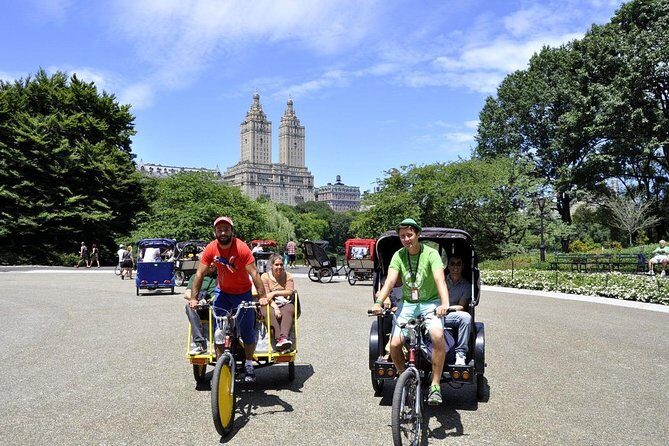
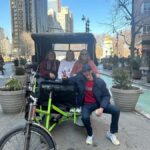
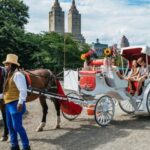
Central Park covers a lot of ground, and it can feel like you’re either rushing or missing the point. A pedicab tour solves that. You get wheels, shade when you’re lucky, and—more important—someone on the seat with you who ties the park together.
The price is $65 per person for a ride that runs about 1 to 3 hours, depending on which option you book. Since the listed sights (like Bethesda Terrace, Bethesda Fountain, Cherry Hill, Bow Bridge, and more) are essentially public areas, you’re not paying admission hop-by-hop. You’re paying for time saved plus a guide who knows what to point out.
My takeaway: this is one of the best formats for first-timers who don’t want to spend their whole visit doing map math.
Other pedicab tours we've reviewed in Central Park & NYC
Price and what feels like real value at $65
At $65 per person, this isn’t the cheapest way to see Central Park. But it’s also not just “a ride.” The included items matter:
- Professional guide
- Pedicab tour
- Mobile ticket (so you can keep things simple once you’re near the meeting point)
- Multiple departure times, so you can aim for better light for photos
In practice, the value comes from three places. First, you cut down on dead time. Second, you get narration that helps you understand why certain spots were built the way they were. Third, the tour format helps you stop without turning the trip into a constant walking detour.
What’s not included is straightforward: tips (gratuities), and there’s no hotel pickup. Also, the tour ends back at the regular finish spot, so if you were hoping for a drop-off closer to your next activity, you’ll need to plan that leg separately.
Timing: choosing 1 hour, 2 hours, or the full park
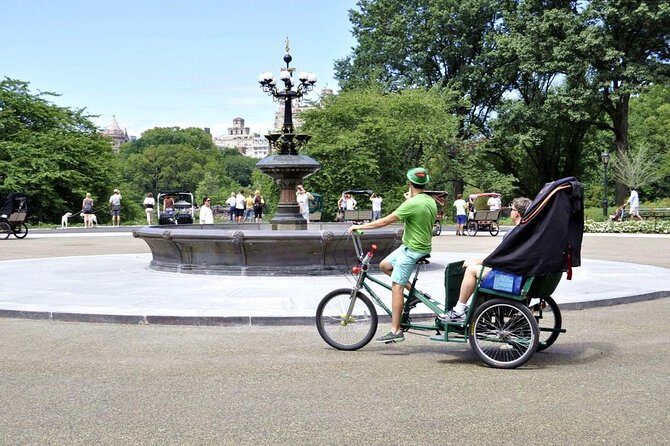
Central Park is big enough that “I’ll just do an hour” can either sound perfect or end up feeling short. Here’s how to pick wisely based on what you want to see.
The 1-hour loop: key icons without the overload
The shorter option focuses on the park’s most recognizable features and many “wait, that’s real?” moments. You’re set up to experience highlights like:
- Wollman Rink and its well-known pop-culture presence
- Chess & Checkers House (built in 1952)
- Central Park Carousel from 1871
- The Dairy (Victorian Gothic style, built in the 1870s)
- The Plaza (opened 1907, plus famous movie/literature ties)
- Central Park Zoo, one of the older U.S. zoos, with conservation and education focus
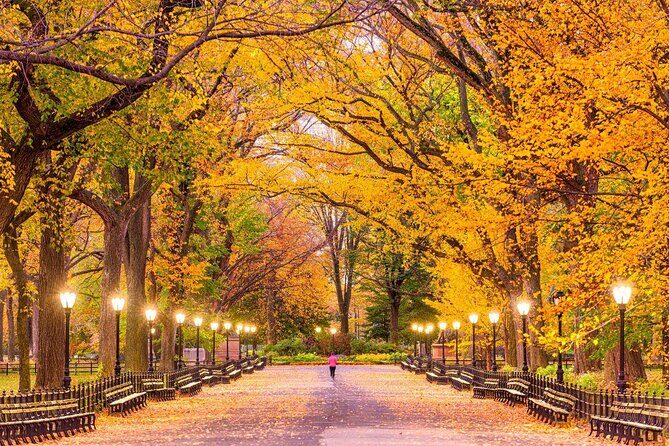
- The Mall with towering American elms that form a canopy
- Balto, tied to the 1925 diphtheria antitoxin “Great Race of Mercy”
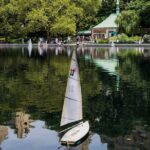
- Conservatory Water tradition of sailboats
- Lake and the Loeb Boathouse (frequent film location)
This is a solid choice if you want a tour that “gets you oriented” fast and doesn’t steal too much of a day packed with museums and neighborhoods.
A drawback to keep in mind: because Central Park trees and greenery change the sightlines, you might miss a few skyline views or statues depending on season and your exact route.
The 2-hour option: full circuit, but only in warm months
The 2-hour tour runs only in warm months. That matters because the park’s most scenic walkways and view corridors are often best in better weather, and your driver will likely lean into the longer set of highlights.
In this option, you’re building on everything in the 1-hour route and adding sights such as:
- Alice in Wonderland Statue (created 1959, designed as a climb-and-play stop)
- Hill with its cedar trees and quieter feel
- Cleopatra’s Needle, the oldest man-made object in NYC (over 3,500 years old)
- The Met as part of the broader surrounding context (Beaux-Arts building, grand entrance area)
- Jacqueline Kennedy Onassis Reservoir views and naming history
- The Great Lawn and its big-event footprint
- Marionette Theater area and nearby performing spaces
- Shakespeare Garden (a place built around plants named in Shakespeare’s works)
- Belvedere Castle, a high-point Gothic-Romanesque stop with long views
- Turtle Pond, where the turtles are basically the slow-and-steady characters of the park
If you want the most “I saw the best parts” feeling in one go—especially for couples or families with limited time—two hours is a sweet spot.
Other guided tours in New York City


The 3-hour tour: the whole park experience
The full 3-hour option is where the tour starts feeling like a real Central Park education. You’re still seeing iconic spots, but you also get the sense of the park’s variety—gardens, stonework, quieter natural zones, and wider neighborhood context.
You’ll cover areas that include:
- Harlem context (including Central Park’s connection to the broader cultural story of the neighborhood)
- Conservatory Garden divided into French, Italian, and English sections
- The Ravine and North Woods—more natural, less formal, and great for photos when the light is right
- Glen Span Arch and The Loch, both blending architecture with water and winding paths
- A nod to the park’s earlier land uses and the human stories that came before Central Park was what you see today
- Belvedere Castle and more of the upper and middle park highlights
This option is ideal when you want your day to feel like you actually understood the park, not just passed through it.
The best ride “flow”: where the stops feel most worth it
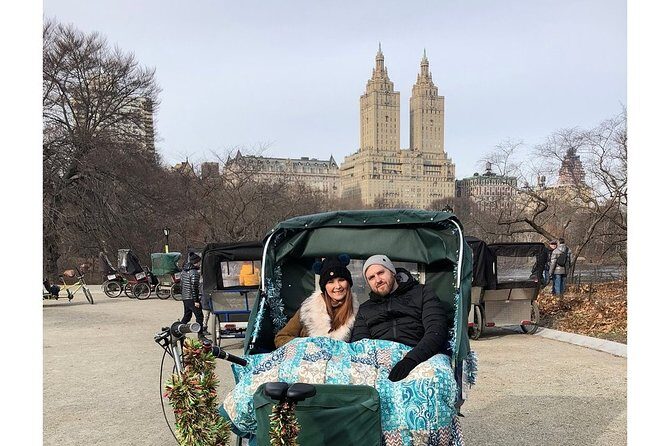
A pedicab tour works best when the timing is right for walking photo breaks. What makes this one feel good is that the stops are frequent and targeted, so you’re not stuck staring at the same view for too long.
Here’s how the major stop clusters usually feel.
Bethesda Terrace and Bethesda Fountain: the classic pause
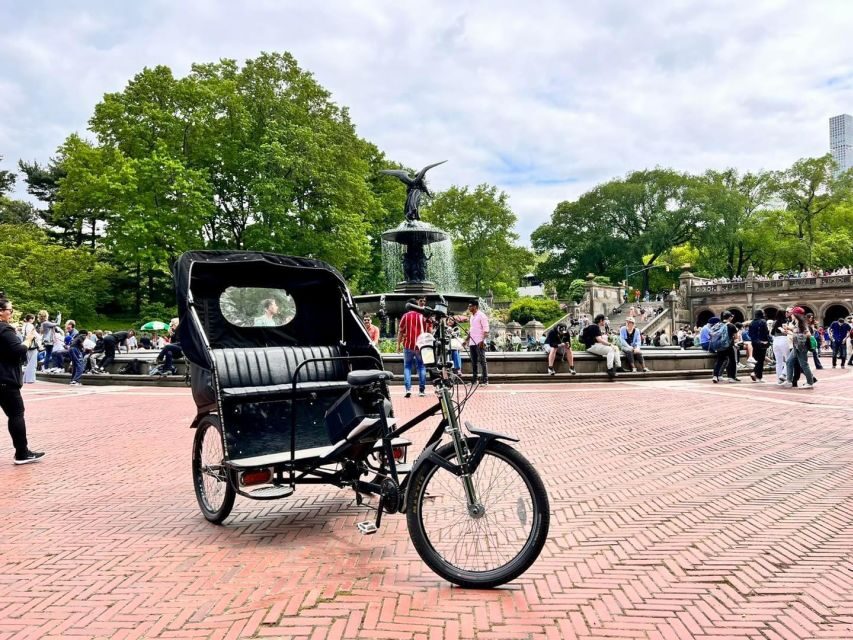
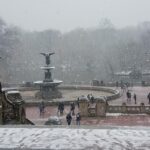
These are must-dos, and the tour makes them feel earned. Bethesda Terrace is a two-level platform with ornate details and a large circular fountain area. It’s a natural place to stop, breathe, and take in the park’s grand architecture.
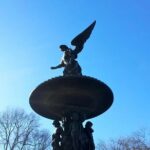
Then you hit Bethesda Fountain, centered around the Angel of the Waters statue, tied to clean water symbolism for New York City.
What I like about this stop pair: it’s visually dramatic, but the guide can also connect it to why Central Park’s designers put that kind of grandeur here.
Cherry Hill and Bow Bridge: photos, romance, and design
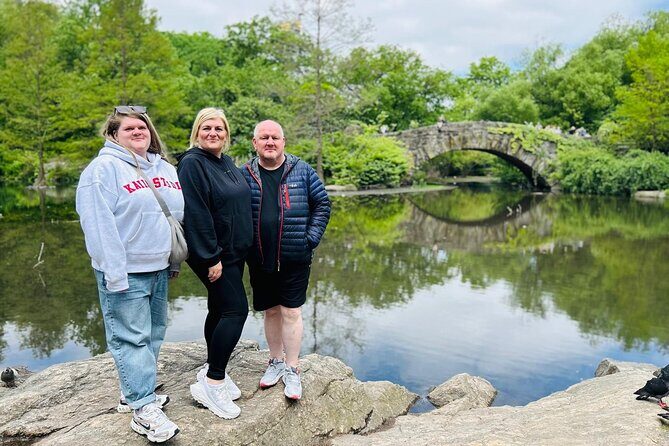
Cherry Hill gives you a hillside look with panoramic views toward the lake and skyline. The vibe shifts here—less “museum,” more postcard.
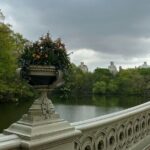
Then comes Bow Bridge, a cast-iron bridge with that romantic “pause for photos” feel. It’s also a frequent screen location, so if you watch movies or TV, you’ll likely recognize the framing style even when you’re standing in real life.
Consideration: if you’re traveling during heavy foliage season, you might not see every surrounding angle as clearly as you expect from photos.
The Carousel, The Dairy, and the Plaza: historic Central Park moments
The Central Park Carousel dates to 1871, and it shows. It’s one of the few places in the park that feels like it’s been waiting for visitors to slow down and enjoy the craft.
The Dairy is another design-forward stop—Victorian Gothic style, originally built in the 1870s, once meant as a refreshment stand for park visitors, especially children.
Then there’s The Plaza (opened 1907), which has the kind of cultural footprint you feel even before you learn every detail. It shows up in films and literature, including titles like Home Alone 2, The Great Gatsby, and Eloise at the Plaza.
If you like architecture and the “why this exists” side of travel, these stops are high value.
Zoo, Mall, Balto, and Conservatory Water: the Central Park personality
The Central Park Zoo is one of the oldest zoos in the U.S. and has evolved from an old-style menagerie into a more modern conservation and education focus. If you’re a movie person, it also has that Madagascar connection.
The Mall is all about the American elm canopy. In summer it creates shade, and in fall it turns into a show. It’s also a place you’ll notice because the feel of walking changes under those trees.
Balto is one of the most meaningful stops on the route. The story of the 1925 serum delivery to Nome—part of the “Great Race of Mercy”—adds weight to what could otherwise be a simple statue photo.
Then Conservatory Water brings back a playful tradition: model sailboats on the water. It’s the kind of small activity that makes the park feel lived-in, not just designed.
Sheep Meadow and the “hang out” Central Park feel
The ride also points you toward the park’s big open relax zone. Sheep Meadow is long, grassy, and social—exactly where people go to sit, stretch out, and watch life move by.
This area also ties into film production context, and it’s easy to see why. It reads as classic New York green space without being overly formal.
Jacqueline Kennedy Onassis Reservoir, Great Lawn, and Shakespeare Garden
The Jacqueline Kennedy Onassis Reservoir is a strong “views and meaning” stop. You learn the naming history and see how the reservoir fits into the park’s broader role as a centerpiece.
The Great Lawn is where concerts and major public events have made the space part of the city’s memory. Nearby, the tour connects you to the performance culture, including free outdoor Shakespeare in the warmer season.
Then Shakespeare Garden—a four-acre planting effort designed around plants named in Shakespeare’s works—gives you a chance to slow down and enjoy the park as literature made physical.
Belvedere Castle and Turtle Pond: best for lingering
Belvedere Castle is a high-point Gothic-Romanesque structure built in 1869 as an observation deck. Even if you don’t go deep into every detail, the position makes sense: it’s built to give you perspective.
Turtle Pond rounds out the stop with a simple charm. It’s not about monuments. It’s about wildlife watching and letting the pace drop.
Movie and music clues that make the park feel familiar fast
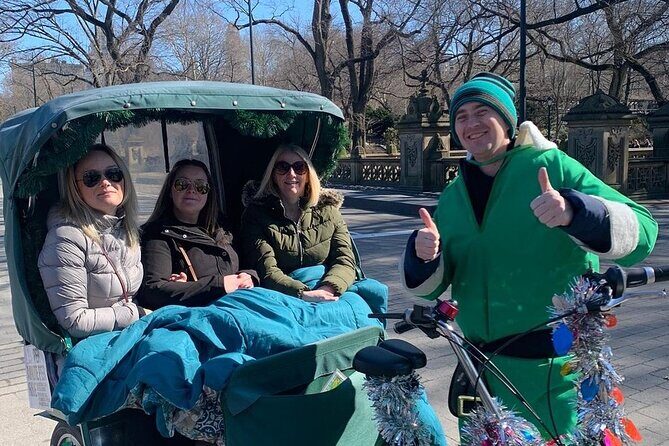
One thing the guides often do well is connecting what you see to what you already know. The tour’s list of screen locations and cultural references is extensive—so you’re not doing pure sightseeing; you’re doing recognition, too.
You’ll likely hear about:
- Home Alone 2 connections tied to places like the Plaza
- When Harry Met Sally and the Loeb Boathouse
- Bow Bridge showing up in multiple TV and movie settings
- Central Park Zoo and Madagascar
- West Side Story connections tied to an area associated with the park’s earlier human history (the tour tends to mention how Central Park land was used before the modern park era)
This isn’t about turning Central Park into a film set. It’s about giving you mental anchors so the park’s size doesn’t blur together.
Guides you can name: Ali, Vitali, Jon, and John
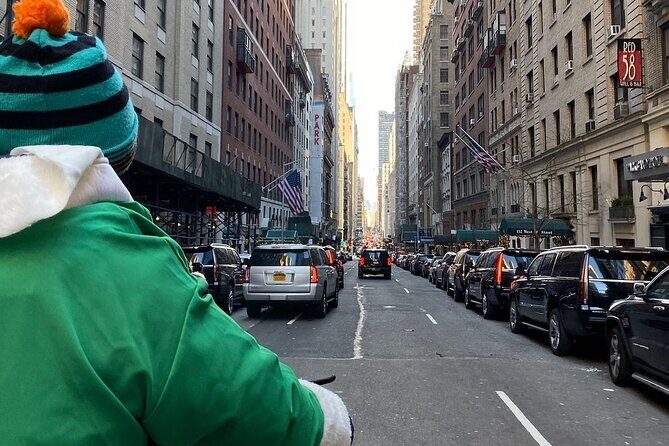
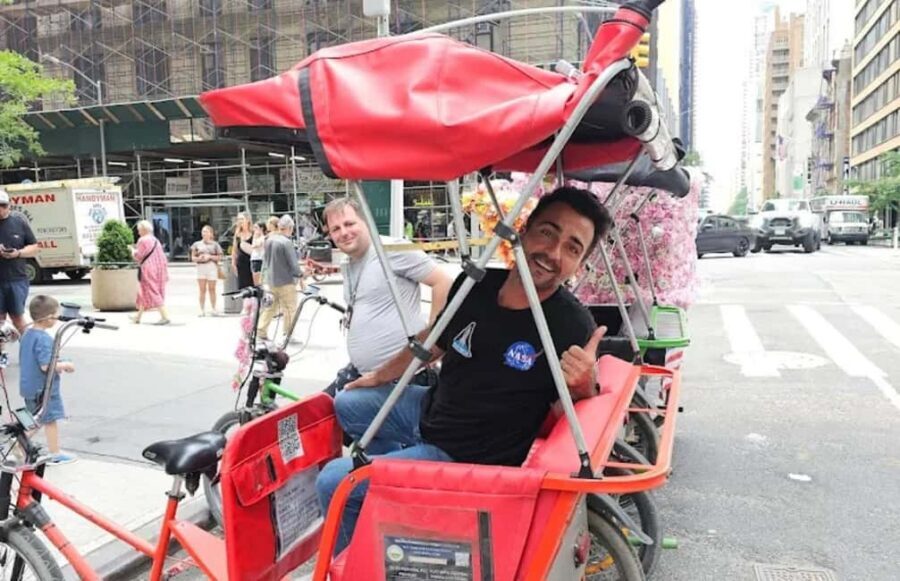
The biggest common thread in the best experiences is the ride guide. Names that show up in standout stories include Ali, Vitali, Jon, and John.
Here’s what those guides tend to bring to the table, based on reported experiences:
- frequent photo stops and help posing at landmarks
- humor mixed with facts (not just reciting dates)
- quick flexibility when the weather turns cool or messy
- small comfort touches in cold conditions, including blankets mentioned in winter rides
- interactive pacing, including checking priorities early on
One example I’d plan around: if you have “must-see” items, say them right at the start. One guide setup included asking a father and son what their priorities were, then shaping the route around that. That’s the difference between a generic route and a custom-feeling one.
Weather and season reality checks
This tour is built for good weather. The operation states that they do not conduct tours in the rain, even with a small chance. What that means for you: don’t schedule this as your only Central Park plan on a day with questionable weather.
In winter, dress warmly. Even with a blanket, you’re moving outdoors and stopping often.
For the 2-hour option, warm months are the rule. If you’re traveling shoulder season or winter, you’ll likely want to stick with the 1-hour or 3-hour options to match what’s offered.
Who should book this Central Park pedicab tour
I think this tour fits best if you:
- want to see a lot of Central Park without walking the whole time
- like history and design details, but don’t want to read your way through it
- care about photo stops at the obvious landmarks (and a few lesser-known corners)
- are traveling with kids, or with anyone who prefers shorter bursts of walking
It may not be ideal if you:
- want to build a fully self-paced route based on your own interests
- hate sitting still or dislike narration
- plan to squeeze Central Park into bad-weather days
If you’re the kind of traveler who wants the park to feel “organized” by the end of your trip, this format is a strong match.
Should you book?
Yes—if you want Central Park to make sense quickly and you’d rather spend your energy elsewhere after the ride. $65 is a fair rate for the combination of a professional guide plus a relaxing way to hit major highlights like Bethesda, Bow Bridge, and Belvedere Castle without burning half your day getting oriented.
Book this when you have at least one weather-safe window and when you’re clear about whether you want a quick sampler (1 hour) or a fuller education (2 or 3 hours). If you do, you’ll finish feeling like you saw the park’s best ideas—not just its biggest paths.
FAQ
How long is the Central Park Guided Pedicab Tour?
The tour duration is about 1 to 3 hours, depending on which option you book.
Where does the tour start?
It starts at 1411 6th Ave, New York, NY 10019, USA, and it ends back at the meeting point.
How much does it cost?
The price is $65.00 per person.
What language is the tour offered in?
The tour is offered in English.
Is the tour private?
Yes, it’s listed as a private tour/activity, meaning only your group participates.
What’s included in the price?
The tour includes a professional guide and the pedicab tour.
What isn’t included?
Tips (gratuities) are not included, and there is no hotel pickup. The tour also ends at the standard finish spot rather than offering a different drop-off location.
What happens if the weather is bad?
The experience requires good weather and does not run in rain or even a small chance of rain. If it’s canceled due to poor weather, you’ll be offered a different date or a full refund.
Is there any travel planning advice for timing?
It’s recommended to book at the beginning of your vacation, since you may be able to reschedule to the next day if weather affects the tour.