REVIEW · NEW YORK CITY
Central Park Pedicab Tour with local Guide
Book on Viator →Operated by Central Park pedicab tours · Bookable on Viator
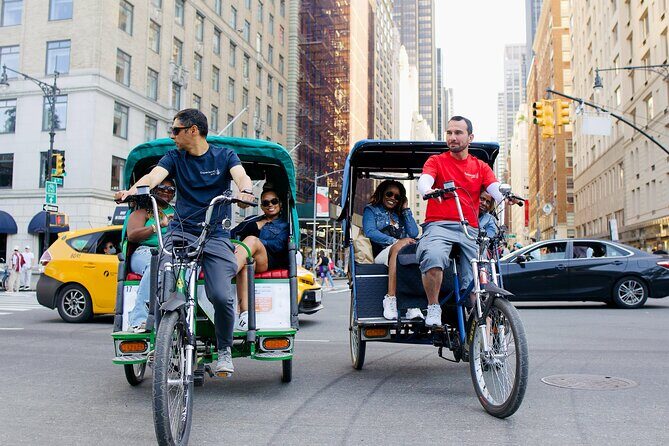
Central Park from a pedicab feels like getting the highlights, fast. You’ll glide between major sights with photo-stop help and a local guide who ties together park history, movie scenes, and small details you’d miss on your own. I like that the pace is adjustable, so you can linger at Bow Bridge for photos or move on quickly when you’re cold.
Two things I really appreciated: the guides focus on making you look good in pictures, and the route hits real icons without feeling like a checklist. The only drawback to plan for is that this tour works best in good weather, and you’ll still be outdoors enough that winter can be chilly even with provided covers.
In This Review
- Key moments that make this ride worth it
- Riding Central Park in a private pedicab: the real value
- Meeting at the Sherman Monument and getting your bearings right away
- Central Park highlights: what you’ll see and why each stop works
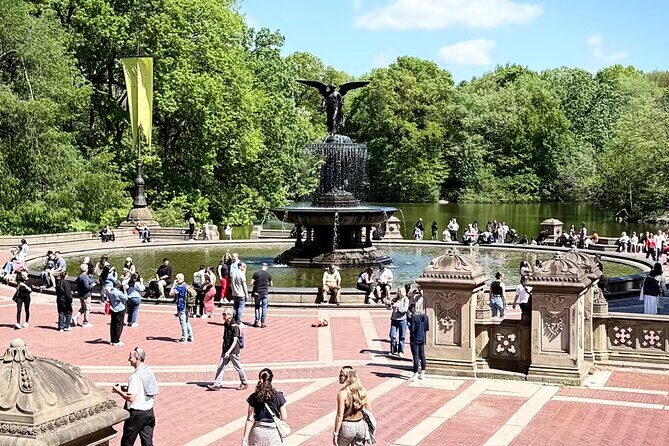
- Bethesda Fountain and Bethesda Terrace (the park’s “movie heart”)
- Bow Bridge (the proposal-and-photo classic)
- Strawberry Fields (John Lennon’s memorial, moments from the Dakota)
- Sheep Meadow and Tavern on the Green (Central Park at human scale)
- Umpire Rock (quick climb, big view)
- Wollman Rink and Gapstow Bridge (winter icons with year-round presence)
- The Dakota (iconic, emotional, and instantly recognizable)
- Literary Walk and the park’s “storytelling geometry”
- Cleopatra’s Needle, Met-area views, and big-city history
- Belvedere Castle, Alice in Wonderland, and the reservoir views (for the longer ride)
- Conservatory Water, model sailboats, and Rumsey Playfield
- Carousel, chess/checkers cottage, and the old visitor-center style stop
- The zoo pass, Balto statue, Heckscher Playground, and Pinebank Arch
- Photo-stop help: why guides matter more than the ride itself
- Timing, duration, and how to choose a route length
- What to bring (and what to wear) so winter and crowds don’t spoil it
- Price and value: what you get for $55 per person
- Who this tour is best for (and who should consider another plan)
- Should you book this Central Park pedicab tour?
- FAQ
- How much does the Central Park pedicab tour cost?
- How long is the tour?
- Is the tour private?
- What language is the tour offered in?
- Do I get a ticket for the tour?
- Where does the tour start and end?
- What’s included in the price?
- What happens if the weather is poor?
- Are service animals allowed?
- Is hotel pickup provided?
Key moments that make this ride worth it
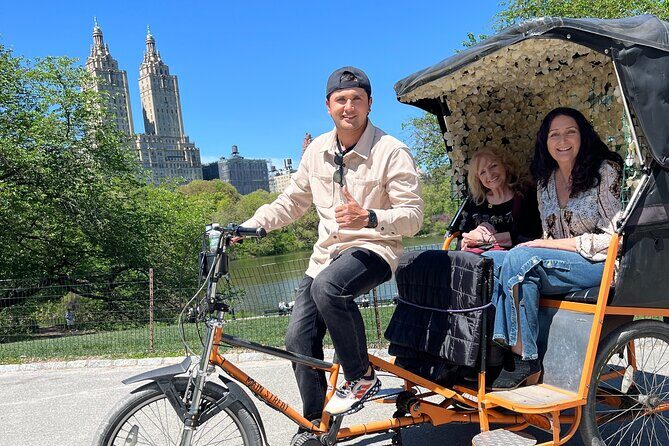
- Frequent photo stops with real help getting the best angle
- Private format: your group sets the pace and focus
- Film locations and celebrity-home style stories mixed with park history
- Winter-friendly extras like blankets, plus stops like Wollman Rink and Gapstow Bridge in seasonal mood
- A guide who knows the flow so you cover a lot without feeling rushed
Riding Central Park in a private pedicab: the real value
Central Park is huge. Walking it all in one trip turns into sore feet and “wait, where are we?” moments. This pedicab tour is a smart alternative when you want orientation plus standout sights without burning the day.
The private setup matters more than you might think. Your guide isn’t juggling multiple groups, so you can ask a question, adjust your pace, or spend extra time at the places that actually interest you—like Lennon’s memorial or the reservoir views. And because it’s pedicab-powered, it’s an efficient, eco-friendly way to move through the park.
Pricing is $55 per person, but you’re not paying just for transportation. You’re buying guided context, film-location storytelling, and practical photo support. For many first-time visitors, that combination is what turns Central Park from “pretty” into “I get it.”
Other pedicab tours we've reviewed in Central Park & NYC
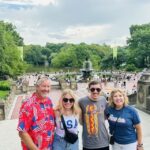
Meeting at the Sherman Monument and getting your bearings right away
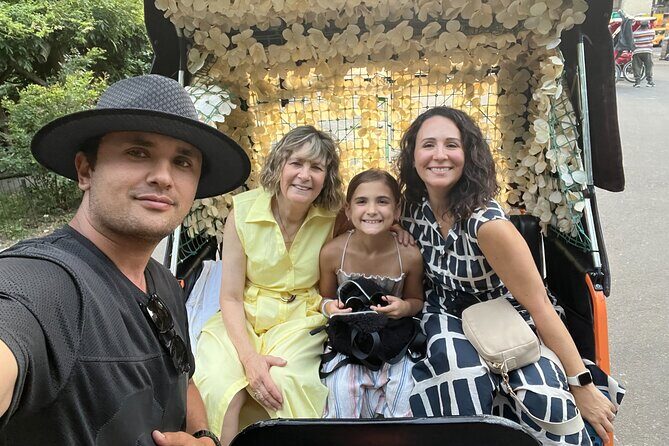
You start at the General William Tecumseh Sherman Monument (764 Doris C Freedman Pl). Ending back at the same place is convenient because you don’t have to coordinate another pickup or navigate across park boundaries afterward.
From the first minutes, the guide’s job is to orient you: where you are inside the park, how the key landmarks connect, and what to notice as you move between them. That kind of quick framing pays off later when you’re walking the streets around the park or trying to picture where everything sits.
Central Park highlights: what you’ll see and why each stop works
The route centers on the park’s most recognizable scenes, plus a few quieter, story-heavy corners. Think of it as a curated loop with frequent opportunities to pause for photos.
Bethesda Fountain and Bethesda Terrace (the park’s “movie heart”)
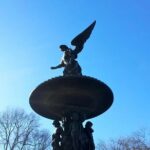
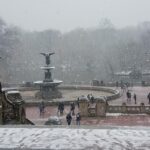
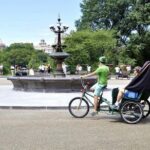
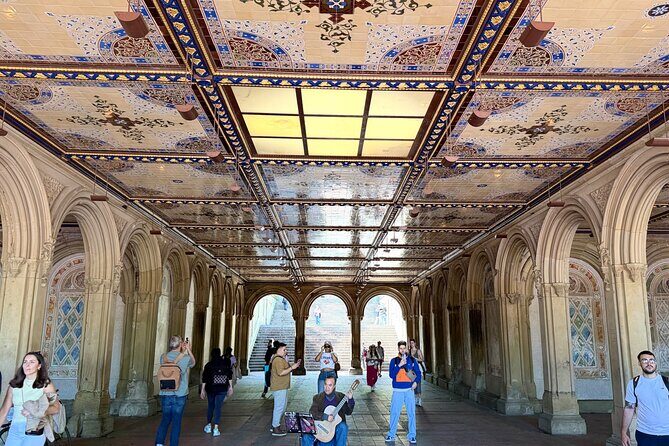
You’ll hit the grand Bethesda Fountain area and then the Bethesda Terrace centerpiece. This is where Central Park looks like Central Park in films: big stone staircases, dramatic angles, and that sense of ceremony.
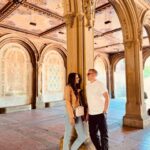
Bethesda Terrace is also known for the acoustic arcade below—musicians often take advantage of the echo. If you time it right (or even just happen to ride through when someone is practicing), you’ll hear why this spot is treated like a performance space.
Why it’s worth stopping: you get both the famous view and the “how it functions” story from your guide, so it lands as design, not just scenery. The only caution: it’s a popular area, so photo stops can be slower if foot traffic is heavy.
Bow Bridge (the proposal-and-photo classic)
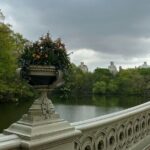
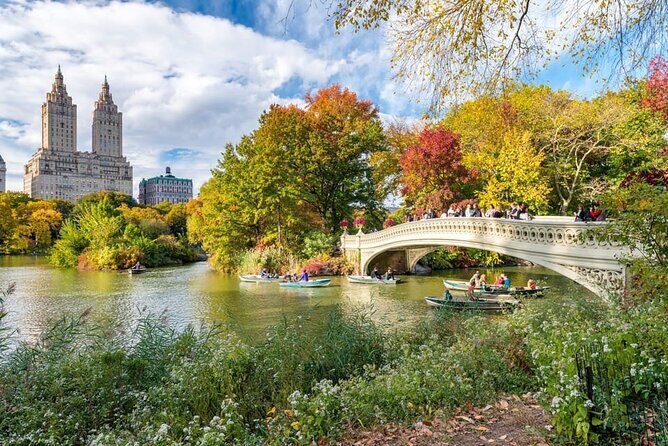
Bow Bridge is one of the most photographed spots in the park. You’ll get those classic angles over The Lake with the city skyline in the background, which is why it’s so common in movies and proposal photos.
In winter, Gapstow Bridge and this bridge area tend to feel especially cinematic—more contrast, colder light, and a sharper skyline look. Even if you’re not planning to propose, it’s a great moment to step off the pedicab and reset.
Tip: ask your guide where the light looks best from your side of the bridge before you step onto the perfect spot. The photo help included here isn’t just extra effort—it’s practical.
Other guided tours in New York City

Strawberry Fields (John Lennon’s memorial, moments from the Dakota)
Strawberry Fields is a quiet, emotional stop right near the Dakota. At the center is the Imagine mosaic, and your guide can explain what the memorial is meant to represent and how visitors treat the place.
This is the kind of stop where you’ll feel two different vibes at once: peaceful reflection around the memorial, then that unmistakable New York energy just a few steps away.
Good to know: it’s not a “quick look and go” place for most people. If your group wants a moment, this tour gives you it.
Sheep Meadow and Tavern on the Green (Central Park at human scale)
Sheep Meadow is the wide-open lawn people come to for picnics, reading, and just being outside. You’ll see the contrast between the greenery and the tall Manhattan skyline, which is one of Central Park’s signature effects.
Your guide also brings in the history around Tavern on the Green—how the building evolved over time and the connection to the old sheepfold that once supported the sheep grazing here. You’ll get a cleaner understanding of why this lawn feels so “classic Central Park” instead of just a park field.
This stop is a good break from landmark-hunting. If you’re traveling with kids, it’s also a chance to stretch and breathe before you continue.
Umpire Rock (quick climb, big view)
Umpire Rock is a natural outcrop you can climb for sweeping views toward Central Park South. It’s short—think about it as a quick energy boost rather than an expedition—and it’s especially loved by families because the “climb to look out” is part of the fun.
Your guide’s story here is part of the appeal: the nickname connects to the nearby baseball games where umpires stood.
The only drawback: if you’re with someone who doesn’t want to climb or balance on rocks, you can still enjoy the surrounding viewpoints without treating it like a hike.
Wollman Rink and Gapstow Bridge (winter icons with year-round presence)
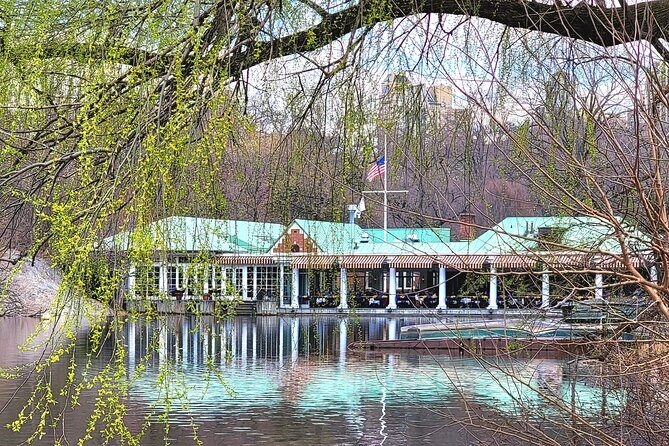
Wollman Rink is one of the most recognizable winter spots in the park. Even in non-winter months, it’s visually tied to the skyline in a way that makes it feel like New York movie set dressing.
Gapstow Bridge is romantic and extremely photogenic, with a view over The Pond and the city skyline. It’s also the kind of place where seasonal changes make the background look different enough that it never feels like you’re repeating the same view.
If you’re traveling in summer, you still get the skyline-and-pond effect. In winter, the contrast and atmosphere usually make the photos pop.
The Dakota (iconic, emotional, and instantly recognizable)
You’ll stop near the Dakota, the famous building linked to John Lennon. It’s also architecturally striking, and it has a long pop-culture shadow.
Even if you’re not a deep Beatles fan, the sheer recognizability of the building tends to make people slow down. It’s a stop that feels meaningful, not just famous.
Literary Walk and the park’s “storytelling geometry”
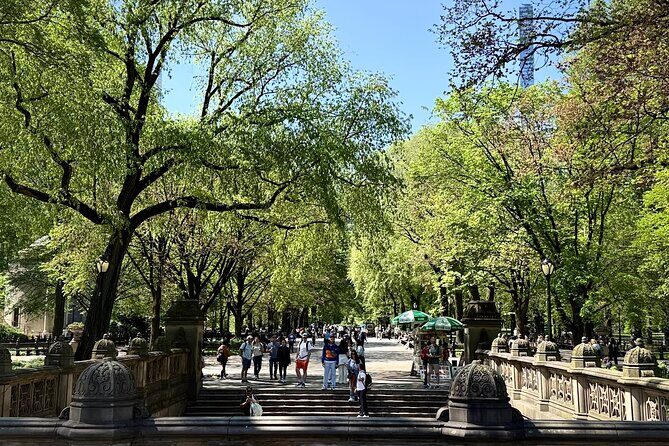
The Literary Walk is a grand, tree-lined promenade and the only straight path in Central Park. That straightness is rare in the park’s winding design, which makes it feel almost like a stage set for strolls and conversations.
You’ll also hear about the statues of literary figures like Shakespeare and Robert Burns. If you like walking somewhere that comes with context—words on stone, not just scenery—this is a satisfying moment.
Cleopatra’s Needle, Met-area views, and big-city history
If your tour time includes the longer stretch (the format notes certain stops for the 2-hour tour), you may also pass by Cleopatra’s Needle. This obelisk is the oldest outdoor monument in New York City, and your guide can explain its ancient origins and how it ended up here in Central Park.
You’ll also learn about the Metropolitan Museum of Art’s roots, including that the original museum building design traces back to Calvert Vaux, one of the park’s key architects. Even if you don’t go into the museum, the viewpoint helps connect Central Park design to the surrounding cultural institutions.
Belvedere Castle, Alice in Wonderland, and the reservoir views (for the longer ride)
For tours that include extra time, you might see:
- Jacqueline Kennedy Onassis Reservoir, built to add capacity and shaped to harmonize with the park
- Belvedere Castle on Vista Rock, a whimsical structure designed as a decorative folly, with an observation deck and even a long-running weather-station connection
- The Alice in Wonderland statue, a donation intended as a gift to New York’s children
- Cleopatra’s Needle, already mentioned as a major historic anchor
These stops tend to please people who want variety—views plus playful details, not just romantic bridge scenes.
Conservatory Water, model sailboats, and Rumsey Playfield
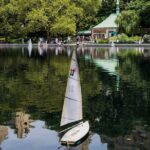
Conservatory Water is a reflecting-pond type scene where model sailboats glide on weekends, and the nearby Alice and Hans Christian Andersen statues help it feel like a storybook pocket in the middle of the city.
Rumsey Playfield adds energy. This is known for performances and SummerStage, so it’s the kind of stop that can feel like Central Park doing what it does best: mixing nature with culture.
Carousel, chess/checkers cottage, and the old visitor-center style stop
Early in the ride, you’ll also cover smaller attractions that feel uniquely “New York park” rather than generic city views:
- The Central Park Carousel, operating since 1871 (the current version installed later) with hand-carved horses
- A calm stone cottage where free chess and checkers are available, a peaceful pause that also feels like a local tradition
- A Victorian-style cottage that originally served milk and snacks, and later becomes a visitor center and gift shop—worth it mostly for the charm and architecture
These stops are great because they slow the tour down in a good way. If you’re traveling with kids, they also break up the bigger sightseeing moments.
The zoo pass, Balto statue, Heckscher Playground, and Pinebank Arch
Depending on timing and route flow, you may pass by:
- The Central Park Zoo area (with penguins, sea lions, snow leopards mentioned)
- The Balto statue, tied to a famous 1925 lifesaving medicine story and popular with kids
- Heckscher Playground (the oldest and largest of the park’s playgrounds, so it has real “local favorite” weight)
- Pinebank Arch, a cast-iron bridge that blends into the rocky setting and even appeared in Elf
Even when you don’t enter places, passing by these landmarks gives your guide plenty to talk about. You leave with a richer sense of how Central Park fits together like a designed town in miniature.
Photo-stop help: why guides matter more than the ride itself
This tour isn’t just about where you stop. It’s also about what happens during the stop.
The added value is help with perfect pictures and photo-stop planning. That means your guide can:
- Position you for skyline angles
- Tell you where to stand so you don’t end up with a blurry face against the background
- Assist with photos if your battery dies
In real terms, this saves frustration. You won’t be spending half your trip swapping phones and hoping someone nails the shot.
Also, I’d pay attention to guide style because it shows up in the experience. Roman, for example, is described as funny and patient with kids, and he’s known for taking care of photo angles and using movie-scene comparisons. Another guide, MJ, is specifically mentioned as helping take photos and sharing them back when batteries ran low. That’s exactly the kind of practical, human touch that makes the tour feel smoother.
Timing, duration, and how to choose a route length
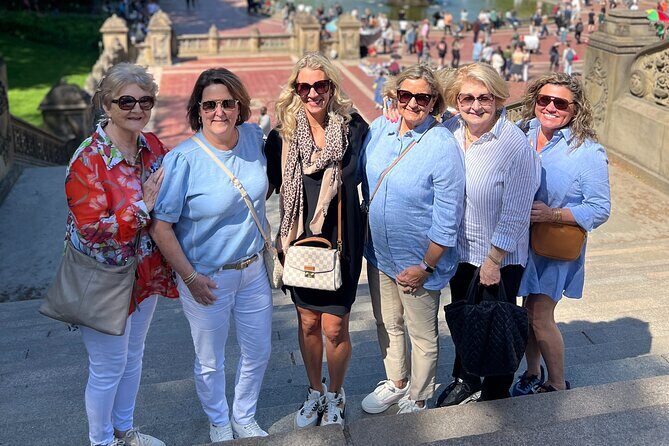
The tour runs about 1 to 3 hours. In general, longer is for people who want more variety: museum-area views, reservoir, castles, and more of the park’s “extra” landmarks. Shorter tends to focus on the core Central Park hits—bridges, Bethesda area, Strawberry Fields, and the biggest iconic backdrops.
If you’re time-crunched, choose the shorter option and don’t feel guilty. Central Park can swallow a whole day on foot. A focused 1-hour loop can still give you enough to enjoy the rest of your NYC trip.
If you’re traveling with kids, longer can work better—there are pauses built into the route (carousel, chess/checkers cottage, playground area), and the pedicab gives everyone a break from walking.
What to bring (and what to wear) so winter and crowds don’t spoil it
You’ll be outdoors, even if you’re not walking. The good news: the tour provides blankets in cold weather and a cover if it rains.
Still, I’d dress like you expect a real NYC temperature swing. Think layers you can adjust. Comfortable shoes matter because even a “photo stop” can turn into quick walking between points.
If you’re visiting in peak season, assume you’ll see people at the most famous stops. Your guide’s job is to pick where you’ll stand so you can get photos without spending forever waiting.
Price and value: what you get for $55 per person
At $55 per person, you’re paying for:
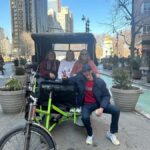
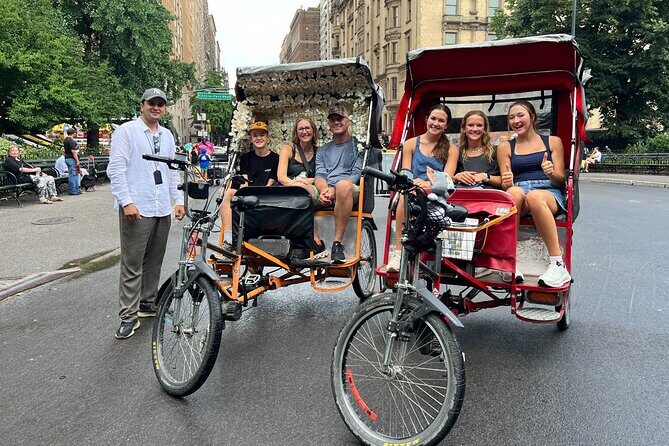
- A private, comfortable pedicab
- A fully guided tour
- Photo stops at iconic spots
- Help with pictures
- Fun facts, film locations, and local stories
- Blankets (cold) and rain cover
- All fees and taxes
This is a good value when you compare it to the hidden costs of DIY sightseeing: time spent figuring out routes, missed photo angles, and the effort of reading history plaques while trying to keep kids moving.
It’s also a fair deal if you’re a movie fan. The guide ties park scenes to specific landmarks—like Bethesda Terrace, Wollman Rink, and Bow Bridge—which makes the park feel like a living set from your favorite films.
Who this tour is best for (and who should consider another plan)
This is a strong pick for:
- First-timers who want an efficient Central Park orientation
- People who care about photos and want someone to help set up shots
- Families who want iconic stops without long walks
- Movie fans who like connecting filming stories to real places
It may be less ideal if:
- You prefer long, unstructured wandering rather than guided stops
- You hate being outdoors for short photo pauses, even with blankets and covers
- Your group wants total freedom to roam without any scheduling rhythm
Should you book this Central Park pedicab tour?
If you want Central Park highlights with less legwork and better photos, I’d book it. The biggest reason is the mix: efficient pedicab movement plus a guide who gives context, movie connections, and hands-on picture help.
Book it sooner rather than later if you can. This experience is often reserved about 25 days in advance on average, which usually means dates fill up around popular travel windows.
FAQ
How much does the Central Park pedicab tour cost?
The price is $55.00 per person.
How long is the tour?
It runs about 1 to 3 hours, depending on your route and timing.
Is the tour private?
Yes. It’s private, and only your group participates.
What language is the tour offered in?
The tour is offered in English.
Do I get a ticket for the tour?
Yes. The tour includes a mobile ticket.
Where does the tour start and end?
It starts at the General William Tecumseh Sherman Monument (764 Doris C Freedman Pl, New York, NY 10019, USA) and ends back at the same meeting point.
What’s included in the price?
The tour includes all fees and taxes, a fully guided tour, photo stops, help with perfect pictures, fun facts and local stories, blankets in cold weather, and a cover if it rains. It also includes a private, comfortable pedicab.
What happens if the weather is poor?
The experience requires good weather. If it’s canceled due to poor weather, you’ll be offered a different date or a full refund.
Are service animals allowed?
Service animals are allowed.
Is hotel pickup provided?
No. Hotel pickup and drop-off are not included.