REVIEW · NEW YORK CITY
Central Park Pedicab Guided Tours
Book on Viator →Operated by NYC Park Tours™ | Central Park Tours · Bookable on Viator
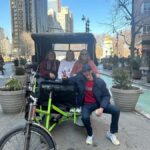
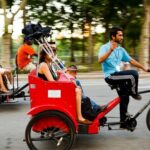
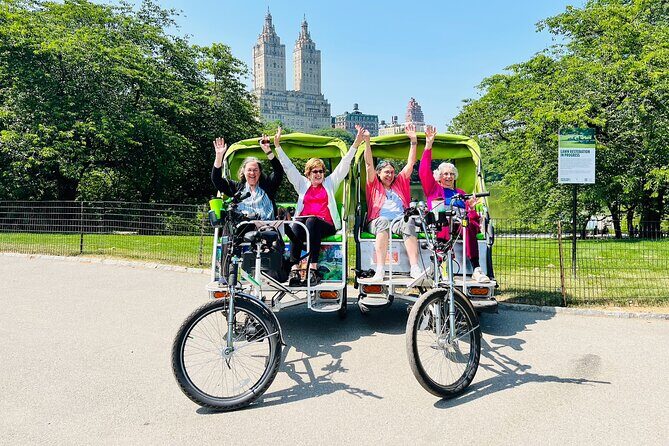
Central Park is a lot easier with pedals. This private pedicab ride zips you past major sights while your guide points out stories, movie scenes, and the small details that are hard to spot on foot. I like that it’s customizable for your group, so you’re not stuck watching a one-size-fits-all route.
Two things I especially like: you get efficient park time without sacrificing photo moments, and you can ride comfortably even in winter thanks to the included warm blanket. It also feels genuinely personal because it’s your party only, not a mixed crowd.
One possible drawback: this experience depends on good weather, so if conditions are rough you may need to shift plans.
In This Review
- Key Points You’ll Care About
- Pedicab vs Walking: Why This Makes Central Park Click
- Meeting at 1411 6th Ave and How the Ride Actually Feels
- The Guide Factor: Stories, Movie Spots, and Real Personality
- Stop-by-Stop: The Main Central Park Loop (Start Area to Carousel)
- Victorian Garden and the carousel vibe
- Chess & checkers: Central Park’s play for grown-ups
- Old-school Central Park charm
- Wollman Rink, Gapstow Bridge, and the Pond Views That Earn Photos
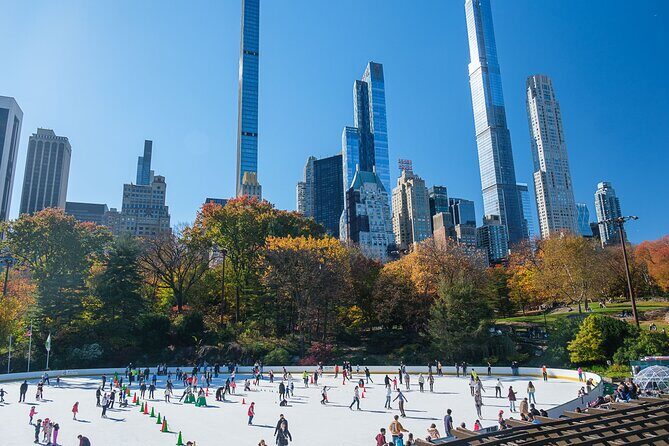
- Wollman Rink: seasonal but always recognizable
- Gapstow Bridge: vines, stone, and famous frames
- Turtle Lake and the boathouse area
- Conservatory Water and the Model Boat Scene (Stuart Little Territory)
- Bethesda Fountain and Bethesda Terrace: Central Park’s Big Set Piece
- Bethesda Fountain: the Angel of the Waters
- Bethesda Terrace: the tile restoration story
- Cherry Hill Fountain: less famous, more charming
- Bow Bridge, The Lake, and the Water Stops That Change the Mood
- The Lake: the heart of the park
- Bow Bridge: designed for photos, still does the job
- Strawberry Fields, Sheep Meadow, and the Dakota’s John Lennon Connection
- Strawberry Fields
- Sheep Meadow: the easy “sit and breathe” break
- The Dakota: a landmark that pulls at history
- Pinebank Arch, Heckscher Playground, and the Playful Side of Central Park
- Pinebank Arch
- Heckscher Playground
- The Longer Option: Cleopatra’s Needle, the Met, the Reservoir, and Belvedere Castle
- Alice in Wonderland Statue
- Cleopatra’s Needle (Obelisk)
- Metropolitan Museum of Art: see it, but plan tickets if you want inside
- Jacqueline Kennedy Onassis Reservoir and Belvedere Castle
- What I’d Pack for a Cold-Winter Pedicab Ride
- Price and Value: Does $38 Make Sense?
- Who This Central Park Tour Fits Best
- Should You Book This Pedicab Tour?
- FAQ
- How long is the Central Park pedicab tour?
- Is this tour private?
- What language is the tour offered in?
- What’s included in the price?
- Are any attractions free?
- What should I know about weather?
- What’s the cancellation policy?
Key Points You’ll Care About
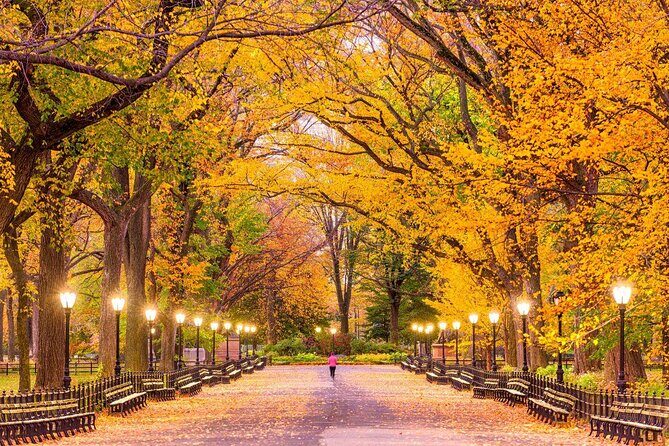
- Private ride for your group only, with your guide able to tailor what you linger on
- Warm blanket included for cold weather, plus lots of photo-friendly stops
- Efficient Central Park coverage for first-timers, covering major landmarks in 1–3 hours
- English-speaking guides and a format that works well for families and mixed ages
- Met Museum and inside entries are not included, so you may still want separate tickets if you plan to go in
- Minimum 2 travelers required (except Tuesday), so double-check your travel group
Pedicab vs Walking: Why This Makes Central Park Click
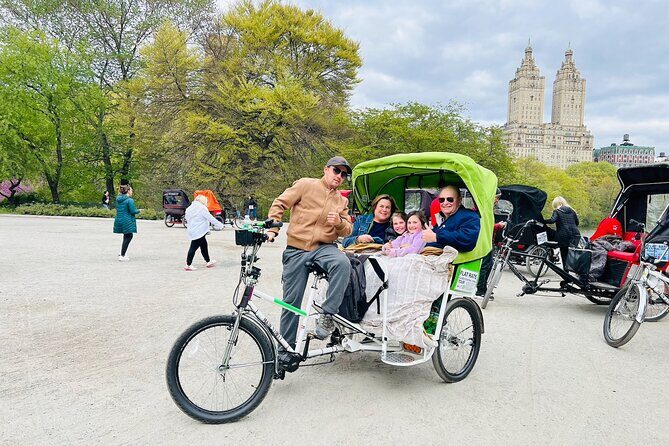
Central Park is huge—843 acres—and that size is the whole problem when you’re trying to see the famous stuff in a limited time. With a pedicab, you trade leg-burning routes for something smoother: your guide steers you through key areas while you look up, not down at a map.
The best part is how it changes your pace. You still get to stop and take pictures, but you’re not spending half your “vacation time” crossing drives and backtracking. You also get an eco-friendly way to move that feels right in a park designed for strolling.
And yes, it’s fun. The pedicab is part transportation, part sightseeing stage—ideal for first-time visitors who want the “greatest hits” fast.
Other pedicab tours we've reviewed in Central Park & NYC
Meeting at 1411 6th Ave and How the Ride Actually Feels
You’ll start at 1411 6th Ave in Manhattan, and the tour ends right back at the same meeting point. You don’t get hotel pickup or drop-off here, so plan to reach the start area under your own steam (it’s near public transportation).
This is a private experience, meaning your group goes together and your guide can adjust on the fly. The tour runs about 1 to 3 hours, so you can choose a short version if you mainly want icons and photo stops, or a longer version if you want more ground covered.
Most days are in English, and you’ll receive a mobile ticket. I’d treat the mobile ticket as your “open sesame” and keep it handy on arrival.
One logistics note to keep in mind: there’s a minimum of 2 travelers, except Tuesday. If you’re a solo traveler or traveling in a pair on a day with rules, this can matter.
The Guide Factor: Stories, Movie Spots, and Real Personality
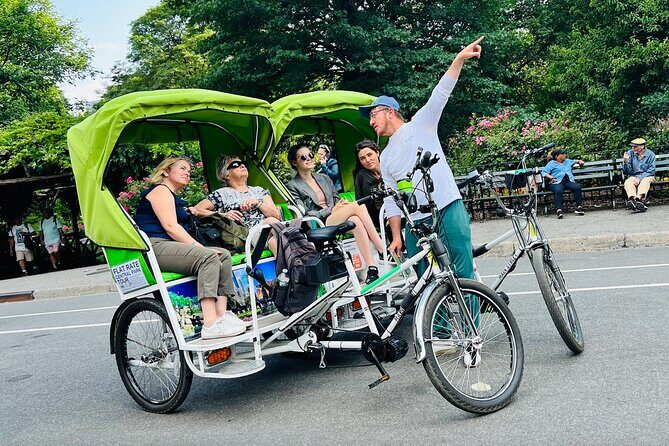
A pedicab guide isn’t just describing what you’re seeing. The ride gets better when your guide connects Central Park to pop culture, history, and little design choices.
I love the way this tour mixes “what you see” with “why it’s here.” You’ll hear about famous landmarks like Bethesda Fountain, plus more surprising points such as the Balto statue and the chess area—places that feel meaningful once you know the backstory.
The reviews show a strong pattern: guides bring humor, warmth, and a knack for keeping the mood upbeat even in tough weather. Names that came up include Sam, Peter, Aj, Ricky, Josh, and Nick, with multiple people praising friendly, funny commentary and photo help. One review even flagged that an accent can be tricky to follow at times, so if you’re sensitive to audio clarity, I’d ask your guide to speak a touch slower early on.
The “private only” format also means you’re not rushed. Guides can stop when you want a quick look or a better angle, and they can keep things moving when you’re ready.
Stop-by-Stop: The Main Central Park Loop (Start Area to Carousel)

Your first stretch is all about getting your bearings fast. You’ll glide into the park and your guide points out a string of iconic features—some are classic Central Park staples, others are the movie-location details people love to hunt.
Victorian Garden and the carousel vibe
Early on, you’ll get to the area associated with the Victorian Garden and an ice-skating rink in winter. Even if you’re not skating, your guide uses the seasonal context to explain how this park changes through the year.
Then comes the classic: the carousel. The current version traces back to 1908 work, and it’s still running with 57 hand-carved horses. This is one of the best value moments on the tour because it’s an included admission stop and it’s a genuinely iconic piece of New York.
Other guided tours in New York City

Chess & checkers: Central Park’s play for grown-ups
Next is the Chess & Checkers House, built in 1952. It’s an octagonal brick structure with shaded tables around it, so it feels like a small community stage inside the park. It’s easy to walk past on your own, but on this ride it becomes a highlight because your guide explains what it was built to offer and how it’s used.
Old-school Central Park charm
As you roll through the route, you’ll also see and hear about:
- The Dairy house connected to the Great Depression-era period
- The Central Park Mall with its American elm trees and promenade feel
- Balto, the bronze Siberian husky statue installed in 1925
- Movie-linked points like the remote control boat area tied to Stuart Little
Even the “in-between” stops matter here. Your guide keeps you oriented so the park feels like one place instead of a bunch of disconnected attractions.
Wollman Rink, Gapstow Bridge, and the Pond Views That Earn Photos
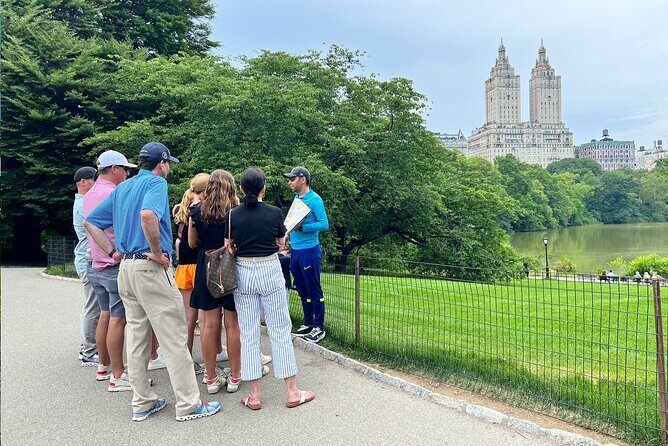
You’ll then swing into some of Central Park’s most photogenic angles, with short stops that keep the ride flowing.
Wollman Rink: seasonal but always recognizable
Wollman Rink is a public ice rink in the southern portion of the park, and it’s open late October to early April. Even when you’re there off-season, your guide connects the setting to the park’s winter identity, which makes the area feel more alive.
Gapstow Bridge: vines, stone, and famous frames
Gapstow Bridge is rustic stone, partly covered in vines, and it’s a classic “pause here” spot. It crosses over the narrow neck of the pond and works as both a photo target and a scenic rest. Your guide also ties it to various film moments, which helps you recognize it instantly in stills and clips later.
Turtle Lake and the boathouse area
The route also touches the pond-and-boathouse zone with water views and movie-friendly corners. If you like “see it like a film set” sightseeing, this part delivers.
One small consideration: because these are quick stops, you won’t get long stretches at every viewpoint. If your goal is slow wandering, you may want to upgrade to the longer time option.
Conservatory Water and the Model Boat Scene (Stuart Little Territory)
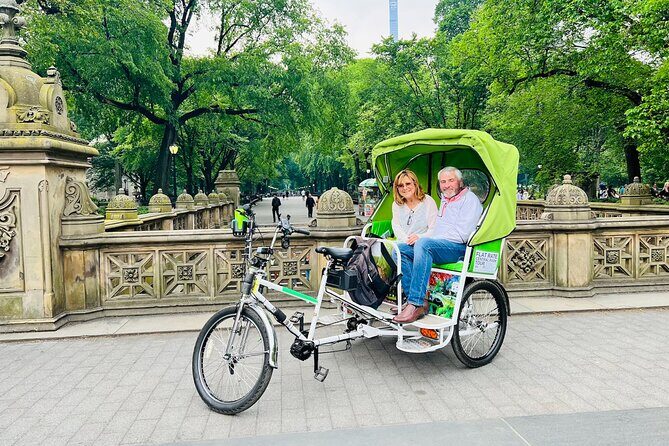
This is the kind of stop that surprises you—in a good way.
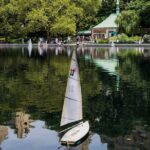
At Conservatory Water, the key feature is the ornamental pond, known as the Model Boat Pond, where kids and hobbyists launch miniature sailboats. There’s a nearby boathouse where boats are stored and rented, and you’ll also spot benches along the water where people watch.
Two extra details make this stop memorable:
- Your guide points out the area’s statues tied to Alice in Wonderland and Hans Christian Andersen
- In winter, when the water freezes through, the pond can be open for skating
If your group loves playful details and storybook references, this is one of the better sections to linger for photos.
Bethesda Fountain and Bethesda Terrace: Central Park’s Big Set Piece
This part is where many people start to understand why Central Park became a filming favorite and a public obsession.
Bethesda Fountain: the Angel of the Waters
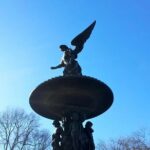
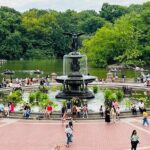
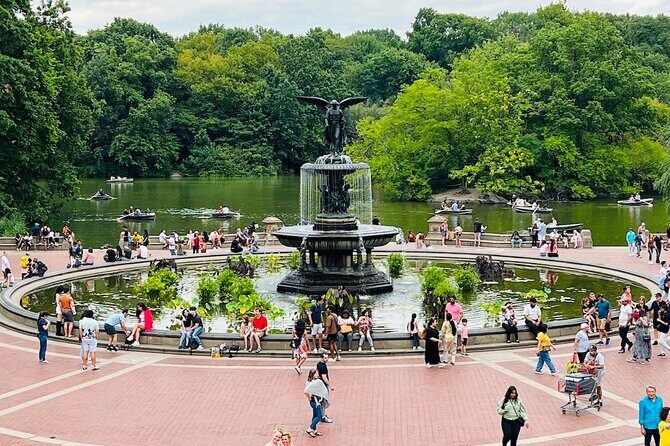
You’ll reach Bethesda Fountain, the central feature on the lower terrace. It centers on the fountain sculpture created by Emma Stebbins, unveiled in 1873. The statue is often described as the Angel of the Waters, tied to a biblical healing story, and it’s part of what made the park’s art feel civic and serious.
Stebbins also matters here: she was the first woman to receive a public commission for a major work of art in New York City. That context turns a “pretty fountain” into something you’ll actually remember.
Bethesda Terrace: the tile restoration story
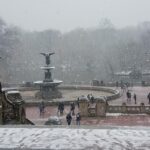
Next is Bethesda Terrace, a fan favorite in film scenes and one of the park’s most dramatic architectural moments. Your guide can explain the arcade ceiling tile story, including how tiles were removed in a renovation period and later restored with major funding.
Even if you don’t read every detail, the terrace’s scale hits you fast—especially if you’re standing in the right spot at the right angle. This is a good area to take your time for a couple of longer photo stops rather than rushing through.
Cherry Hill Fountain: less famous, more charming
Just west is Cherry Hill Fountain, often overlooked if you’re doing Central Park “the quick way.” It was designed in the 1860s as a watering trough for horses during the 19th century. It has a granite dome, a bluestone basin with tile work, and frosted glass lamps at the top.
Your guide’s explanation makes this stop feel like a hidden chapter rather than another fountain.
Bow Bridge, The Lake, and the Water Stops That Change the Mood
After the big terrace moment, the ride moves toward calmer water scenes.
The Lake: the heart of the park
The Lake connects different sections of Central Park, including the Ramble and the Bethesda Terrace area. It’s a 20-acre water body, and your guide uses it to talk about how the park’s design creates changing views. There are rowboat rentals available at Loeb Boathouse if you want to add a little water time.
This is also a good zone for people-watching. You’ll see park rhythm here in a way that feels slower than the densest sightseeing areas.
Bow Bridge: designed for photos, still does the job
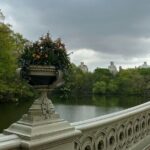
Bow Bridge is another major photo stop, designed by Calvert Vaux and Jacob Wrey Mould and completed in 1862. It’s also known for its connection to film locations, which your guide will likely point out as you approach.
One practical note: the bridge is a popular place, so if you want your best shot, it’s worth timing your stop and letting your guide help with positioning.
Strawberry Fields, Sheep Meadow, and the Dakota’s John Lennon Connection
This is where Central Park stops being just scenic and turns personal.
Strawberry Fields
Strawberry Fields is a 2.5-acre landscaped memorial for John Lennon. It takes its name from the Beatles song Strawberry Fields Forever, which in turn is named for a children’s home in Liverpool. Your guide helps you connect the setting to the idea of memory and music, not just a plaque-and-statue moment.
Sheep Meadow: the easy “sit and breathe” break
Then there’s Sheep Meadow, one of the park’s most popular spots for relaxing, reading, picnicking, and just soaking up the contrast between greenery and Manhattan skyline. For a pedicab tour, this stop is valuable because it gives your group a breathing space without a long walk.
The Dakota: a landmark that pulls at history
You’ll also pass the Dakota building, which has housed artists, actors, and musicians over the decades. It’s historically tied to John Lennon’s life and the tragic moment of his death outside the building in 1980. Your guide’s tone here matters, and this stop tends to land with people.
If your group is sensitive about memorial moments, this is still worth seeing—but give yourselves time for it to feel respectful and not rushed.
Pinebank Arch, Heckscher Playground, and the Playful Side of Central Park
Central Park isn’t only for statues and fountains. It also has fun corners that help kids and families enjoy the day.
Pinebank Arch
Pinebank Arch is an ironwork bridge that rises from rock outcrops and is frequently photographed. Your guide ties it to movie moments too, which helps it feel like a specific “Central Park style” rather than just a bridge.
Heckscher Playground
Near Central Park South is Heckscher Playground, named for August Hecksche and opened in 1926. It’s the oldest and largest of Central Park’s playgrounds. If you’re traveling with kids, this is one of those stops that can keep energy up even during a longer sightseeing plan.
The Longer Option: Cleopatra’s Needle, the Met, the Reservoir, and Belvedere Castle
If you go for the longer ride, your route includes a few more major anchors that help round out your first visit.
Alice in Wonderland Statue
You’ll stop by Alice in Wonderland, a gift from George Delacorte intended for the children of the city and a memorial for his wife. It’s one of those spots where the second you see it, everyone in your group suddenly knows what you’re talking about.
Cleopatra’s Needle (Obelisk)
Another stop is the Obelisk, also known as Cleopatra’s Needle, dedicated in 1881. It’s the oldest outdoor monument in New York City, and your guide connects it to the idea of the park as a place that holds more than just plants and paths.
Metropolitan Museum of Art: see it, but plan tickets if you want inside
You’ll also reach the Metropolitan Museum of Art area. The stop works well for photos and orientation, but museum admission isn’t included, so if you want to go inside, you’ll need to buy your own ticket plan.
Jacqueline Kennedy Onassis Reservoir and Belvedere Castle
The longer route includes the Jacqueline Kennedy Onassis Reservoir and Belvedere Castle. You’ll learn the reservoir’s purpose and scale, and you’ll get a look at Belvedere Castle’s exhibit rooms and observation deck, plus the fact that it houses the official weather station.
This part is especially good if you want Central Park to feel connected to the city’s wider “big institutions” vibe.
What I’d Pack for a Cold-Winter Pedicab Ride
Central Park weather can flip fast, and pedicabs don’t block wind the way a car does. The good news is that this tour includes a warm blanket during cold weather.
Still, you’ll want:
- A warm coat and gloves
- Layers you can adjust
- Sunglasses or a hat if it’s bright
- A camera with a strap you trust for quick stops
Also, bring your patience for a slow moment. Stops take a few seconds, but that’s how you get the angles people actually remember.
Pedicabs cover the park; your feet cover the city. This ranked list of New York walking tours sorts the on-foot options by review volume for everything beyond the park wall, and the Central Park Conservancy publishes the free official walking maps that cover the Ramble better than any app.
Price and Value: Does $38 Make Sense?
At $38 per person, this is priced like a mid-range “experience” rather than a basic sightseeing activity. The value comes from what’s included: the warm blanket in cold weather, all taxes and fees, and the fact that you get expert local guiding plus lots of photo opportunities.
Another value factor: many stops are admission-free in the sense of no extra ticket cost for the viewpoints you’re stopping at (like the bridges, fountains, and outdoor monuments). The ride also includes an admission stop at the carousel during the main loop.
The one place to be clear with expectations is the Met Museum stop. Admission isn’t included, so you’re not paying $38 to get inside a museum. You’re paying for the guided orientation and the “see it from the right spot” advantage.
If you’re traveling with family, going as first-timers, or you want the park’s highlights without a whole day of walking, this price starts to feel very fair. If you only want one or two sights and you love planning your own route, you might find a cheaper DIY option—but it won’t be as efficient.
Who This Central Park Tour Fits Best
This tour is a strong match for:
- First-time Central Park visitors who want fast orientation
- Families who need an easier way to cover distance without burning out
- Couples who want iconic spots and movie-related trivia without a long day
- People who appreciate humor and story-driven guiding, since multiple guides were praised for keeping the mood fun and engaging
It may be less ideal if your priority is a long, slow stroll through one section. A pedicab tour is built for movement and highlights, not for wandering for hours in one small corner.
Should You Book This Pedicab Tour?
If you want the best first-visit version of Central Park, this is a smart choice. The combination of a private ride, guided context, and photo-friendly stops helps you get more “wow” per hour than walking alone.
I’d book it when:
- You have limited time and want major icons covered
- You’re going in winter or you hate being cold outside for long
- You like the idea of movie locations and design stories, not just sightseeing
I’d think twice if:
- You’re planning to do a museum visit and you don’t want to manage separate tickets
- Your group needs a slow, flexible day of pure walking
- You can’t adjust plans if the weather forces a change
If your goal is to get your bearings fast and still enjoy Central Park like it’s alive, this pedicab tour is a very workable way to do it.
FAQ
How long is the Central Park pedicab tour?
The tour runs approximately 1 to 3 hours, depending on the option you choose.
Is this tour private?
Yes. It’s a private tour for your group only.
What language is the tour offered in?
The tour is offered in English.
What’s included in the price?
The price includes a warm blanket during cold weather, all taxes and fees, the pedicab ride, and the guided experience. The carousel admission stop is included, and the tour includes photo opportunities and guided storytelling.
Are any attractions free?
Many stops listed are admission free, and there is also an included admission stop at the carousel. The Met Museum stop does not include admission.
What should I know about weather?
This experience requires good weather. If it’s canceled due to poor weather, you’ll be offered a different date or a full refund.
What’s the cancellation policy?
You can cancel for a full refund up to 24 hours before the experience starts. Changes within 24 hours aren’t accepted, and cancellations inside that window aren’t refunded.