REVIEW · NEW YORK CITY
The Met Museum & Central Park Guided Tour Semi-Private 8ppl Max
Book on Viator →Operated by Babylon Tours New York City · Bookable on Viator
One great day: art inside, stories outside. This semi-private Met Museum + Central Park tour gives you a tight orientation, then uses a small group to keep things moving at a human pace. I like how the guide walks you through the Met’s “can’t-miss” rooms and makes the American wing feel understandable, not overwhelming. I also love the Central Park section: you get famous photo stops like Bethesda Terrace and the Dakota, plus the park’s history as you walk. One thing to consider: you do a lot of walking over 5.5 hours and it is not offered for wheelchair users.
With a max of 8 guests, you get more personal attention than with big bus-style tours. When my guide Jeff led the day, he did an excellent job of setting you up with an easy route through the Met and keeping the group out of the worst crowd pockets. The Central Park timing is also smart, with quick stops at major landmarks so you still feel like you saw the park, not just the first few blocks.
The possible drawback is mostly practical: Met security means small-bag only, and Central Park involves lots of step-and-stop moments. If you need long rests or step-free routes, this may feel tiring.
In This Review
- Key things to know before you go
- Semi-private Met + Central Park: how this day actually feels
- Price and value: is $238.50 a fair deal?
- The 5.5-hour game plan: timing, meeting point, and where you finish
- Stop 1 at the Met: from the Great Hall to the American Wing
- Medieval Europe and the Met’s star European names: Henry VIII, Vermeer, Seurat, Van Gogh
- Central Park after lunch: history, memorials, and filming-location style walking
- Bethesda Terrace, Bow Bridge, Gapstow Bridge, and the park’s most photogenic moments
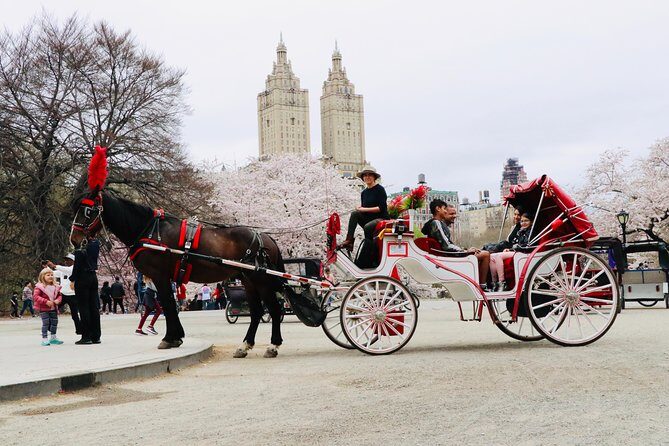
- Strawberry Fields and the Dakota: John Lennon’s memorial moment
- Skyline variety: 432 Park Avenue and Time Warner Center views from Central Park
- Turtle Pond and the end near the Central Park Zoo
- How the group size and pace affect your experience
- Should you book this Met and Central Park guided combo?
- FAQ
- What is the group size for this semi-private Met and Central Park tour?
- How long is the tour, and does it include a lunch break?
- Where do I meet the guide, and where does the tour end?
- Is admission to the Met included in the price?
- Are any Central Park attractions included with admission fees?
- Is hotel pickup or drop-off included?
- Is the tour suitable for wheelchair users or people with walking disabilities?
- What if the Met has an unexpected closure or opening delay?
Key things to know before you go

- Max 8 guests keeps the day calmer and easier to hear, especially inside the Met
- Met admission included with a guided route through major galleries starting at the Great Hall
- Central Park walk includes iconic stops like Bethesda Terrace, Bow Bridge, Strawberry Fields, and the Dakota area
- Filming-location style sightseeing turns a “pretty park stroll” into a story-filled route
- Time-limited views of skyline landmarks like 432 Park Avenue and Time Warner Center add variety without slowing the day
- End point at Central Park Zoo lets you continue on your own or link back by subway with your guide
Semi-private Met + Central Park: how this day actually feels
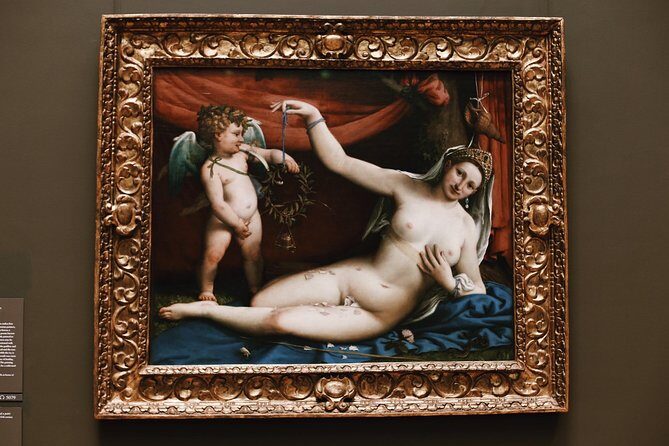
This is one of those New York combos that works because it matches the way most people experience the city: first you soak up world-class art, then you switch to walking stories outdoors. The format is also helpful. You’re not dropped into two separate attractions with no plan. Instead, you follow a guided route that gives you a reason to care about each room and each bridge.
The semi-private size is a big deal. With 8 people or fewer, it’s easier for the guide to check in, adjust pace, and keep the group together if someone lags behind. It also makes the Met part more enjoyable. The Met can feel like a maze if you go in cold. Here, you get a guided path that connects objects and rooms so your brain isn’t just collecting random facts.
If you like your travel days organized but not rigid, this fits. If you want long museum wandering time or you dislike walking between stops, you might find the schedule a bit tight.
Other Central Park combo tours with the Met & Natural History


Price and value: is $238.50 a fair deal?
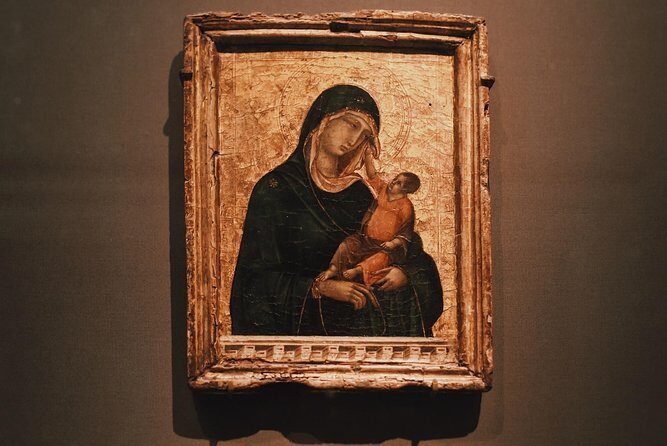
At $238.50 per person, this isn’t a budget ticket. But the price makes more sense when you look at what’s included: a guided semi-private experience plus all entrance fees, with a professional guide and a 5.5-hour plan that covers both the Met and major Central Park highlights.
Here’s where the value shows up for real-life travelers:
- You’re buying guidance through the Met’s highlights, not just standing near famous artworks.
- You’re also buying structure for Central Park. Many people walk the park but don’t know where to go for the best landmarks without backtracking.
- Central Park stops include multiple bridges and signature spots, so you’re getting a route that would be harder to “figure out right” in limited time.
You should also think about what you’d pay if you DIY. The Met admission isn’t the main issue. It’s the hours you might waste deciding what to see first. A small-group guide can save you time and help you get more out of the art you do see.
The 5.5-hour game plan: timing, meeting point, and where you finish
The tour starts at 10:30 am at the Met, 1000 5th Ave. The end point is in Central Park, with the tour finishing near the Central Park Zoo area.
Total duration is about 5 hours 30 minutes, and that includes a lunch break. The key point is that the lunch break is “scheduled time,” not guaranteed restaurant service. You’ll have time to eat, but what you choose to buy or bring is up to you.
A small heads-up: there’s no hotel pickup or drop-off. You’ll want to rely on subway, taxi, or rideshare to get to the Met. And because you’re starting at a major museum and ending in a park zone, planning your return to your hotel is easier if you already know where your subway lines are.
Stop 1 at the Met: from the Great Hall to the American Wing
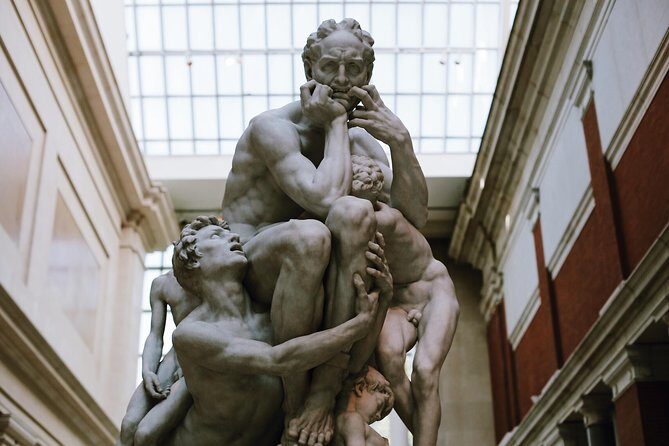
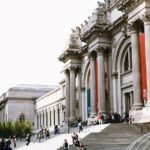
The day’s backbone is the Met. You start at the Great Hall, which is the smart move because it orients you instantly. After that, the tour moves into the museum’s most important galleries, giving you a route that helps you understand how the museum is organized and why certain rooms matter.
One of the big strengths here is that the guide doesn’t treat the Met like a list of famous names. The tour aims to connect eras and themes. You’ll see ancient works (the tour mentions objects from Ancient Greece and Egypt), then shift toward later European art and finally the American-focused areas.
The tour also pays attention to how the Met tells its story differently from older European museums. That matters because it changes how you interpret what you’re looking at. Instead of feeling like you’re comparing apples to apples across continents, you get a sense of why the American wing was shaped the way it was—especially since it began before the United States was even 100 years old.
In terms of pace, the Met portion is 2 hours 30 minutes. That’s long enough to feel like you actually saw something meaningful, but not long enough to become museum-fatigued. If you tend to get tired fast in big museums, this timed route is a plus.
Medieval Europe and the Met’s star European names: Henry VIII, Vermeer, Seurat, Van Gogh
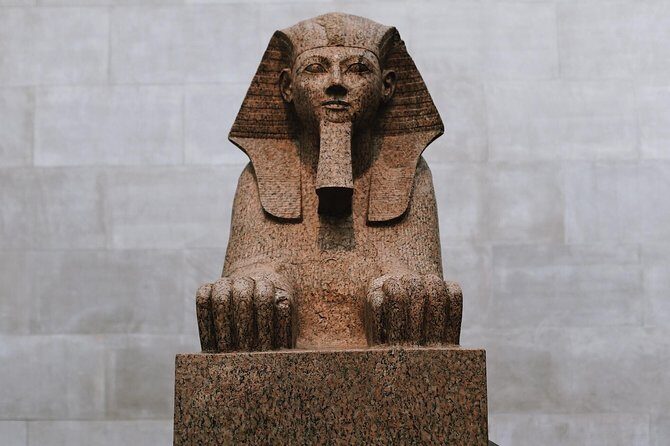
Within the Met, you hit a few “history you can picture” moments. The Medieval Europe Gallery includes two standout topics mentioned for this tour: the Studiolo from the Ducal Palace and armor worn by Henry VIII. Those details matter because they’re tangible. You can look at armor and immediately imagine a person, a court, and a power structure—so it stops feeling like distant textbook history.
Then the route moves into the American wing with familiar icons. The tour specifically mentions the staircase from the Chicago Stock Exchange and the iconic portrait of Washington crossing the Delaware River. That kind of stop is valuable even if you only know the images from books or posters. Seeing them in person changes the experience, because the scale and framing do the storytelling for you.
The European wings are where you get the big-name art conversation you’ve likely been waiting for. The tour highlights discussions tied to painters like Vermeer, Seurat, and Van Gogh. You won’t just be pointed at the art; the guide explains what makes these works important and how the galleries connect to broader art themes.
Other guided tours in New York City





Central Park after lunch: history, memorials, and filming-location style walking
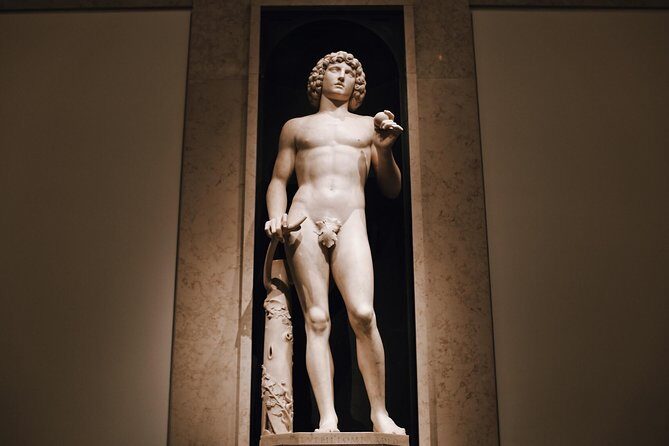
After the museum time, you get a scheduled break for lunch. Then Central Park becomes the second half of the story.
This part isn’t just about pretty scenery. The tour is built around context: Central Park is described as a breath of fresh air for New Yorkers, but it’s also packed with memorials and public artwork. The tour route specifically mentions tributes to figures like Bolivar and Marti, plus memorials tied to Balto and Hans Christian Andersen. When you know what you’re looking at, the park feels more like a living museum than a green break.
You’ll cross several signature bridges, and those help the walk feel like a route with milestones. You also walk along areas that show up in pop culture. That filming-location focus is the difference between “I walked in Central Park” and “I saw the park’s famous angles.”
Central Park’s portion is also 2 hours 30 minutes, which is a lot of time outdoors but still structured. It’s enough to feel like you covered key sections without rushing so hard you miss the details.
Bethesda Terrace, Bow Bridge, Gapstow Bridge, and the park’s most photogenic moments
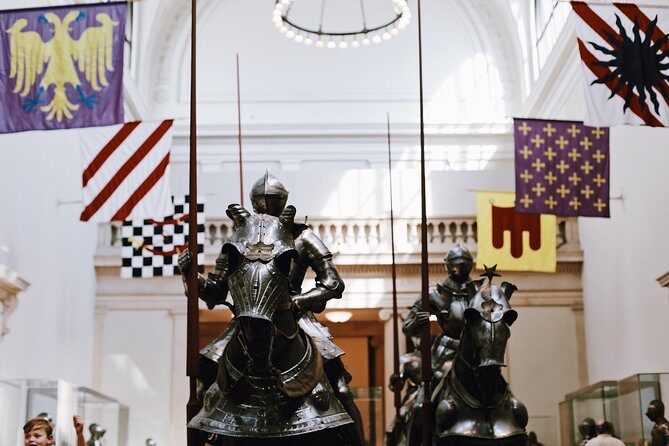
Central Park has a habit of making you stop every 30 seconds for photos. This tour leans into that, but with a plan so you aren’t just reacting—you’re learning why certain spots matter.
Bethesda Terrace and Fountain are part of the route, including the Angel of Bethesda atop the fountain. The tour notes that the angel became New York City’s first major piece of public art commissioned from a woman. Even if you’ve seen pictures before, that kind of fact makes the moment land differently when you’re standing there.
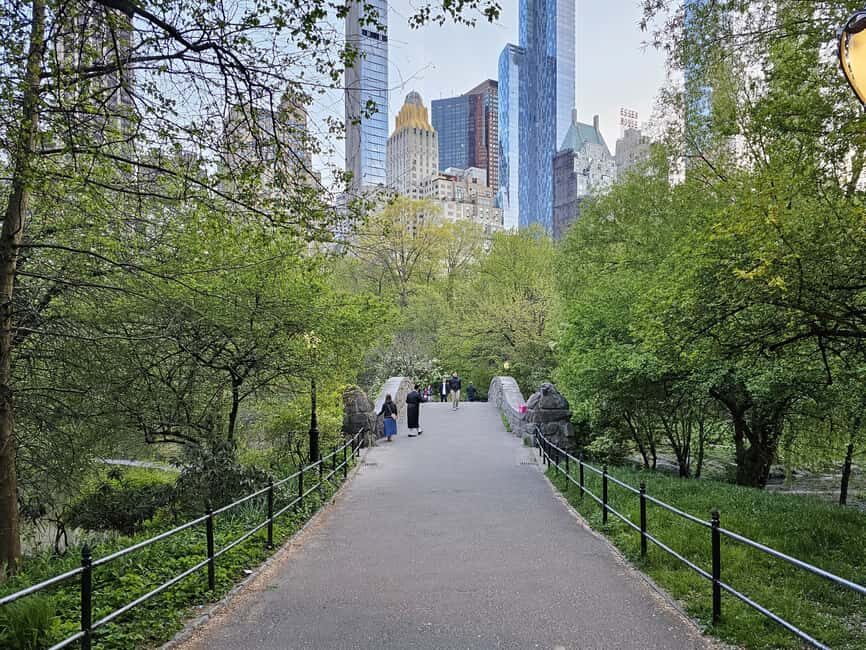
The tour also includes Bow Bridge and describes it as the largest bridge in the park, built as a cast iron bridge with classical refinement details from the 19th century. Gapstow Bridge is treated similarly, including a mention that it was initially built in 1874 and offers strong skyline views for great shots.
If you care about photos, this is one of the strongest sections of the entire day. You get multiple bridge angles and multiple landmarks close enough to each other that you don’t feel like you’re hauling yourself across the park without reward.
Strawberry Fields and the Dakota: John Lennon’s memorial moment

One of the most moving stops on the tour is the area around the Dakota and Strawberry Fields.
The Dakota is introduced as a cooperative building, constructed in 1884, and tied to John Lennon’s home from 1973 until his death in 1980 at the building’s archway. Strawberry Fields is described as a 2.5-acre tribute area lined with elm trees, shrubs, flowers, and rocks, with a quieter feel built into the space.
This stop has value beyond name recognition. When you understand what Strawberry Fields is and how it’s arranged, you’re less likely to treat it like just another park corner. It’s a small area with a strong purpose, and the tour keeps it focused.
The tour schedule gives you about 10 minutes here. That’s not long, but it’s usually enough to walk the edges, look around carefully, and absorb the significance without feeling rushed in a way that ruins it.
Skyline variety: 432 Park Avenue and Time Warner Center views from Central Park
A good thing about this combo tour is that Central Park isn’t the only contrast. You also get quick skyline moments that break up the walking.
At 432 Park Avenue, you get a view of the building and the surrounding “super-scraper” skyline. The tour notes that 432 Park Avenue is a residential skyscraper and is the second tallest building in the city behind One World Trade Centre. You’ll also see a surviving ASPCA horse drinking fountain sited in 1912, described as the only place in the city where you can bring a horse to drink water if you have one.
Next is Time Warner Center, described as two twin towers bridged by a multi-story atrium, with upscale retail and some office and residential space. Even in a short stop, you get enough to identify the architecture and understand why this complex is a recognizable part of the Midtown skyline story.
These skyline moments are brief—around 10 minutes each—but they’re worth it. They add a “city layer” to your park day so you don’t feel like you left Manhattan behind. You’re still in New York; you’re just viewing it through a different lens.
Turtle Pond and the end near the Central Park Zoo
The tour’s later park stops include the Great Lawn area and close-by Turtle Pond. The Great Lawn is described as a 55-acre space, and it’s presented as a classic place for picnics and sun time. Nearby, Turtle Pond is where most of the park’s turtles live.
Then the tour ends at the southeast corner of Central Park near the Central Park Zoo. You can either stay and enjoy the landscaping or have your guide walk you to the nearest subway.
This matters for day-planning: you don’t end back at the Met. Your route finishes where Central Park naturally connects to transit, so it’s easier to keep your afternoon flexible rather than being trapped in a museum district.
How the group size and pace affect your experience
This is the part that most clearly separates a good day from a frustrating one.
With only up to 8 guests, the tour is less about crowd control and more about pacing. A guide can slow down when a question comes up or speed up when everyone is ready. The itinerary’s structure supports that too: you have defined time blocks at major zones (Met galleries, then Central Park clusters of bridges and landmarks).
From the review details, Jeff’s approach was noted for avoiding crowds and keeping a great pace that still covered a lot. That style is exactly what you want in a place like the Met, where “see everything” can quickly turn into “see nothing well.”
The main thing you should consider is physical. You’re scheduled for a moderate fitness level and there are no wheelchair options. If you need frequent long rests or step-free paths, you may want to pick a different tour format.
Should you book this Met and Central Park guided combo?
Book it if you want one guided day that gives you both world-class art and signature Central Park scenes without spending hours mapping routes yourself. It’s especially smart for first-timers who feel overwhelmed by the Met’s size and for anyone who wants Central Park’s landmarks explained in plain language.
Skip or think twice if walking pace is a problem for you, or if you want lots of free time inside the Met to roam at your own rhythm. This tour is structured, and that’s the point.
If you’re the type who likes to know what you’re looking at and where you’re going, this one is a strong value for a half-day with major sights, admission included, and a genuinely small group size.
FAQ
What is the group size for this semi-private Met and Central Park tour?
The group size is capped at a maximum of 8 travelers.
How long is the tour, and does it include a lunch break?
The tour runs for about 5.5 hours, including a lunch break.
Where do I meet the guide, and where does the tour end?
You meet at the Metropolitan Museum of Art, 1000 5th Ave, and the tour ends in Central Park near the Central Park Zoo.
Is admission to the Met included in the price?
Yes. Admission fees are included, and the Met stop specifically notes that admission is included.
Are any Central Park attractions included with admission fees?
Several Central Park stops are listed as free. The tour also ends near the Central Park Zoo, which is noted as not included for admission.
Is hotel pickup or drop-off included?
No. Hotel pickup and drop-off are not included. The tour notes that you should use Uber or taxi.
Is the tour suitable for wheelchair users or people with walking disabilities?
No. The tour is not available for those with walking disabilities or using a wheelchair.
What if the Met has an unexpected closure or opening delay?
If the museum opening time is delayed by more than 1 hour from the tour starting time, the provider will provide an appropriate alternative. In these cases, they say refunds or discounts are not available.