REVIEW · NEW YORK CITY
NYC Central Park Night Time Photography Tour
Book on Viator →Operated by New York City Photo Safari · Bookable on Viator
Night photos in Central Park are a whole different game. You get hands-on coaching and you walk to the park’s best low-light photo spots. Best of all, it’s paced for a small group, so you’re not stuck fading into the crowd.
The biggest win for me is learning what to do when light drops and your usual day-photo tricks stop working. You’ll also focus on specific wow moments like long-exposure views at Bethesda Fountain and skyline shots near the Dairy Visitor Center. The one catch: you must bring your own tripod, so plan for that before you leave home.
In This Review
- Key points before you go
- Night photography in Central Park: why this time of day matters
- Small-group coaching (and the pro factor): what it feels like on the ground
- What you must bring: the tripod is non-negotiable
- Starting at Pulitzer Fountain (8:30pm): your first setup moment
- Bethesda Fountain at night: long exposure practice you can actually learn from
- The Plaza, a famous bridge, and quick framing wins
- Dairy Visitor Center and the Manhattan skyline: where your photos start feeling city-level
- Bethesda Terrace and The Mall: turning architecture and paths into night compositions
- Naumburg Bandshell and your final Central Park night sweep
- Price and value: is $150 worth it?
- Who should book this Central Park night photography tour?
- Should you book it or skip it?
- FAQ
- FAQ
- How long is the NYC Central Park Night Time Photography Tour?
- What does it cost?
- What is the meeting point and start time?
- Where does the tour end?
- Do I need to bring a tripod?
- What do we photograph during the tour?
- How many people are in the group?
- What is the cancellation policy?
Key points before you go
- Maximum 6 travelers means you get real attention, not just a walking lecture
- Night-focused basics taught by a professional photographer guide
- Bethesda Fountain long exposure time to practice the look you want
- Manhattan skyline photo stops built into the route
- A starting point at Pulitzer Fountain (8:30pm) that keeps the light changes working for you
Night photography in Central Park: why this time of day matters
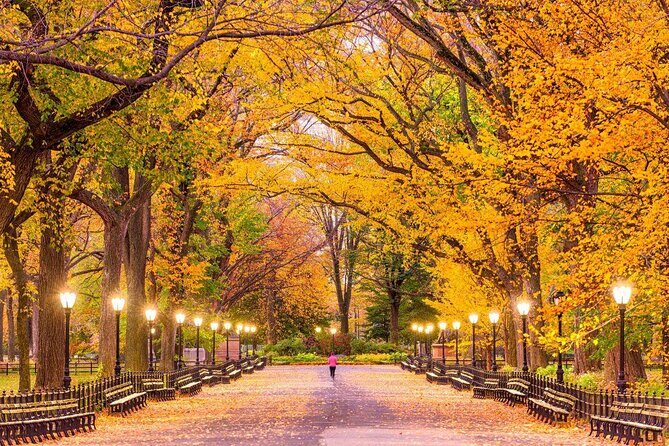
Central Park at night isn’t just darker. It’s quieter, moodier, and full of man-made light that makes photos more interesting. Streetlamps, reflected glow on stone, and the Manhattan skyline in the background all change how scenes look.
A daytime Central Park photo tends to be about scale and details. Night photos are about timing and control—holding steady, choosing what to include, and making the dark work for you instead of against you. That’s exactly what this tour is built for, with guidance geared toward the basics of shooting under low light.
The route is also practical. You’re moving between landmarks that photographers actually chase after sunset: fountains, terraces, open paths, and viewpoints that bring the city into the frame. It’s a walk designed to turn Central Park from a big place into a sequence of teachable photo moments.
Other Central Park photography tours and sessions

Small-group coaching (and the pro factor): what it feels like on the ground
One thing I really like about this tour setup is the size: up to 6 people. That matters because night photography is fussy. If you’re unsure where to stand, how to frame, or how to handle your camera settings, you don’t want to wait for everyone else.
The guide experience here is also a strong point. The tour is led by a professional photographer guide, and at least one standout review highlights a guide named Zim for doing a great job with both novice and experienced shooters. That kind of flexibility is rare in group tours, where people tend to get either bored or overwhelmed.
You’ll likely feel the difference quickly—someone can correct your approach without rushing you. And if you’re learning from scratch, that’s huge. If you already take photos, you still get feedback tailored to what you’re trying to capture.
What you must bring: the tripod is non-negotiable
Tripod time is built into the experience, especially for the long-exposure stop at Bethesda Fountain. The tour specifically notes that you must bring your own tripod, and I’d take that seriously. Without it, you’ll struggle to get the kind of steadiness long exposure demands.
Beyond the tripod, think about night basics: you’ll be outside after dark and walking between photo points. You’ll want comfortable shoes and a steady pace, especially since the tour asks for a moderate physical fitness level. Nothing extreme is stated, but you are out for an evening walk and you’ll likely stop often.
Also plan around your device and power. The tour doesn’t list camera gear support, so bring whatever you’re comfortable using. If you shoot with a phone, you’ll still want to be able to stabilize it on a tripod setup or brace it properly.
Starting at Pulitzer Fountain (8:30pm): your first setup moment
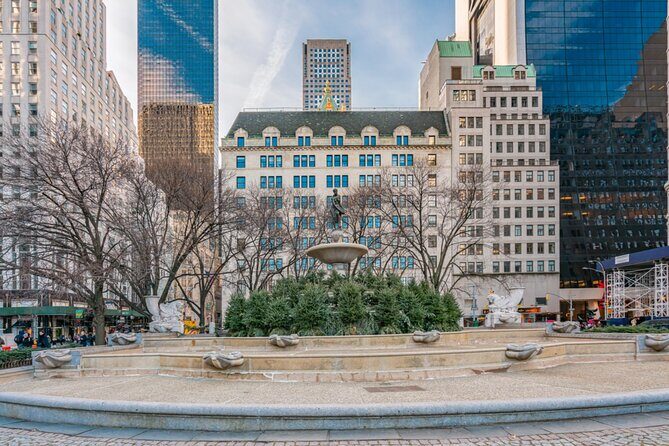
You meet at Pulitzer Fountain, located at 764 Central Park S, New York, NY 10019. The start time is 8:30pm, which is perfect for capturing that shift where the park looks dark-but-useful instead of just dim.
This first stretch is about getting oriented in night light. Even before you reach the big fountain scene, you’re learning how to see: what direction the light falls, how backgrounds separate subjects from darkness, and how to compose with the city presence nearby.
A tour like this works best when you arrive ready. If you’re half-stumbling through your camera menus while the guide is moving the group, you’ll miss chances. So take a minute right at the start: get your tripod ready, make sure your setup feels stable, and then follow the guide’s pacing.
Bethesda Fountain at night: long exposure practice you can actually learn from
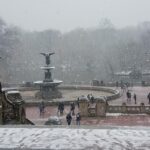
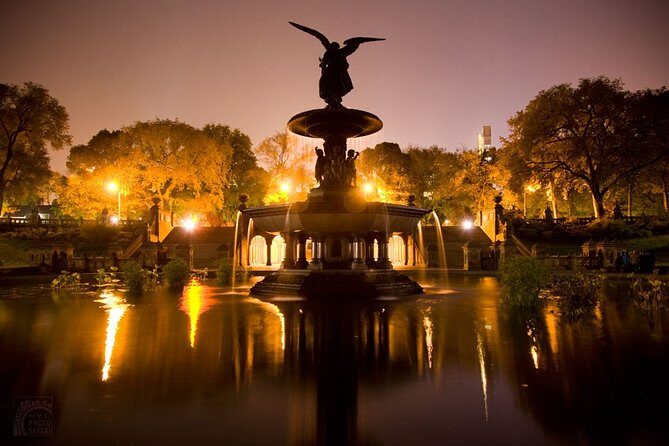
The most “photography class” moment is at Bethesda Fountain. You get about 20 minutes there, and the goal is clear: photograph the fountain at night with long exposure.
Long exposure is where a lot of people feel stuck, because it asks for two things at the same time: steadiness and patience. A tripod solves the steadiness part, while guided coaching helps with the patience part. You’re not just standing there hoping for magic—you’re learning how to work the shot.
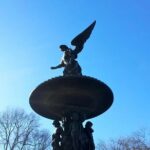
This is also a high-reward subject. Bethesda Fountain is one of the park’s most recognizable landmarks, and at night it looks different than it does in daylight. You get that sculptural feel plus nighttime glow that can make the scene look more cinematic. It’s exactly the kind of subject where a small change in framing can turn an average photo into a strong one.
Potential drawback? If you’re hoping for a silent, wander-by-yourself experience, this stop is more structured than that. The point is to learn, practice, and get the group moving when it’s time.
Other night and sunset tours in Central Park & NYC
The Plaza, a famous bridge, and quick framing wins
After Bethesda Fountain, you head toward The Plaza, which is only about 5 minutes. Then you walk past a notable bridge in Central Park. The idea here is to give you quick practice in composition without turning the tour into a long hike.
These short stops are smart. Night photography tends to reward people who can react fast. Light changes, crowds move, and your scene can disappear if you take too long. Quick stops let you try a framing choice, get feedback, then move on before the opportunity fades.
The bridge walk is also a good reminder of why night photography can be easier than day sometimes. Bridges often bring strong lines, and at night those lines can cut through darker backgrounds. Even if you’re not chasing a landmark “trophy shot,” you’ll come away with more confidence framing in low light.
Dairy Visitor Center and the Manhattan skyline: where your photos start feeling city-level
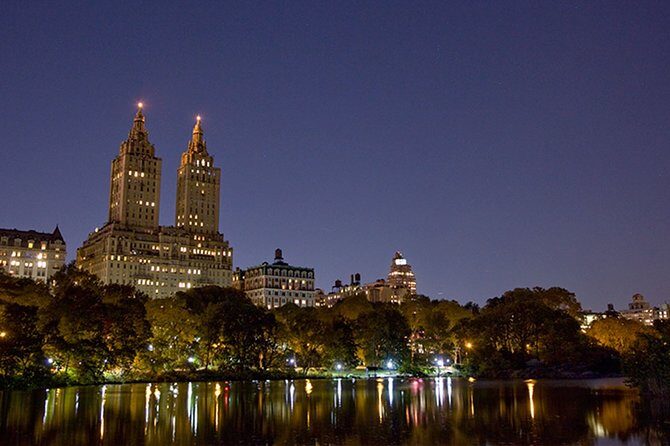
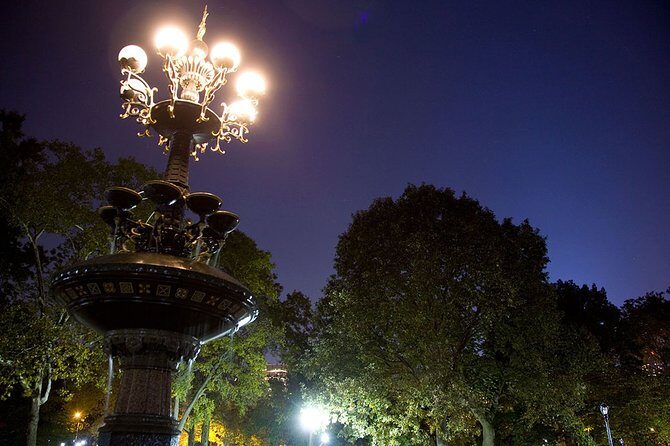
Next you reach the Dairy Visitor Center and Gift Shop, with about 15 minutes for photos. This is one of the key skyline moments on the route. You’re positioned for views toward Manhattan Skyline, and the tour makes that a named focus.
If you’ve ever shot the skyline from a distance and wondered why your picture doesn’t feel sharp or dramatic, night shots are often the answer. The city lights become your contrast engine. They help separate foreground and background, and they give you a subject that’s more forgiving than trying to capture tiny details in darkness.
This stop is also useful because it’s a break from the deepest interior park scenes. You’re still in Central Park, but you’re bringing the city into your frame. That contrast is a big reason people love night photography—your viewer gets both nature energy and urban glow.
One consideration: skyline views can be sensitive to what’s behind your camera angle. You’ll get guidance from the photographer guide, so don’t feel you have to figure it out alone. If you pick a spot too late, you might lose the angle you wanted.
Bethesda Terrace and The Mall: turning architecture and paths into night compositions
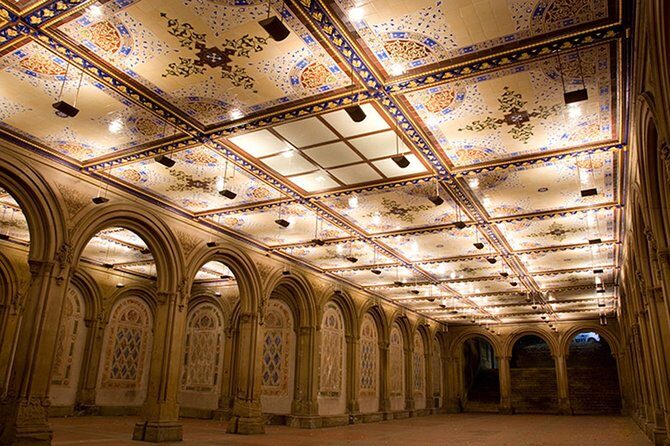
You’ll spend about 30 minutes at Bethesda Terrace, then another segment at The Mall and Literary Walk for about 15 minutes. Both stops are built around practical photo goals, not just scenic walking.
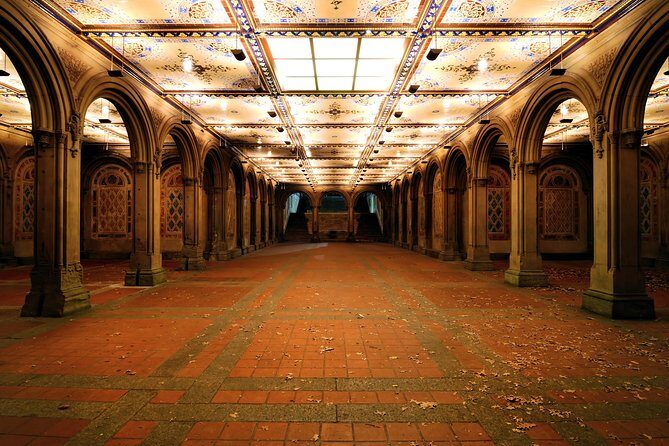
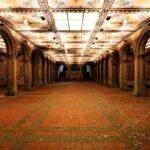
Bethesda Terrace is a standout because architecture photographs well at night. The edges, railings, and structure tend to catch light in a way that makes frames look intentional even if the scene is darker. This is where you can practice composition choices: how much of the terrace to include, how to place the horizon or background, and how to keep your subject from blending into the dark.
Then The Mall and Literary Walk shift you into a different kind of night photography. Paths and open stretches are where you learn to manage scale. They also help you capture motion feel without needing to force it—your goal is to show depth and shape under low light.
If you’re the type who likes classic compositions, these stops are your friend. If you prefer offbeat angles, you’ll still get value because the guide’s coaching should help you translate any angle into something more deliberate.
Naumburg Bandshell and your final Central Park night sweep
The Naumburg Bandshell stop is short—about 5 minutes—but it’s useful. Quick landmark moments work well at the end of a route because you’re no longer learning from scratch. You’re applying what you just practiced.
Finally, you return into the park experience with time to keep shooting Central Park at night and learning how to photograph this spectacular location under low light. The tour lists Central Park time as part of the experience, and it’s the chance to put it all together: fountain lessons, skyline lessons, and composition lessons.
This ending stretch is valuable because you can refine. Maybe the first skyline shot wasn’t your best. Maybe you want to try a different framing at the terrace. Or maybe you simply want a second attempt at something you liked earlier. With a small group, you’re less likely to feel rushed into only one take.
Price and value: is $150 worth it?
At $150 per person for an approximately 2-hour night photography session, you’re paying for three main things: professional guidance, access to the right photo spots, and a format that keeps the group small.
Here’s where the value gets real. Night photography is hard to learn solo, mostly because feedback matters. If you don’t know what’s wrong with a blurry shot or a dark frame, you burn time troubleshooting. A photographer guide helps you move faster, and with a group size capped at 6, you’re more likely to get personal direction rather than generic advice.
The tour also includes entry/admission – Central Park, and it’s built around specific landmark photo moments like Bethesda Fountain and Bethesda Terrace, plus a named focus on the Manhattan Skyline. You’re not just walking around hoping you find good light. The route is organized for photography at night.
The main reason someone might feel it’s not worth it is if you already know night photography well and don’t want coaching or structured practice. But if you want to sharpen your approach—or you want to stop guessing—this tour is priced like a skill session, not a sightseeing bus.
Who should book this Central Park night photography tour?
This tour fits best if you:
- want a structured night photo route through Central Park’s best low-light subjects
- like learning directly from a professional photographer guide
- prefer small groups and more attention per person
- are excited by long-exposure and skyline-style photography
It might be less ideal if you:
- don’t have a tripod ready to bring
- hate stopping frequently for photos
- want a fully independent wandering experience
Also note the basics: the tour is English-offered and has a minimum age of 18. Service animals are allowed, and it’s near public transportation. The walk is described as requiring a moderate fitness level, so wear shoes you trust on dark pavement.
Should you book it or skip it?
I’d book this tour if you want night photography that’s guided, practical, and focused on specific Central Park scenes. The combination of small-group attention, a professional photographer guide, and photo time at Bethesda Fountain plus skyline angles makes it a strong value for people who want better results fast.
I’d hesitate only if you show up tripod-less or you’re expecting a casual stroll with no real instruction. Night photography rewards preparation, and this experience leans into that. If you come ready to work, you’ll walk away with a stronger way to see and shoot Central Park after dark.
FAQ
FAQ
How long is the NYC Central Park Night Time Photography Tour?
It runs for about 2 hours.
What does it cost?
The price is $150.00 per person.
What is the meeting point and start time?
You start at Pulitzer Fountain, 764 Central Park S, New York, NY 10019, with a start time of 8:30pm.
Where does the tour end?
The tour ends at Bethesda Terrace, New York, NY 10024.
Do I need to bring a tripod?
Yes. A tripod is not included, so you must bring your own.
What do we photograph during the tour?
You’ll photograph Central Park at night, Bethesda Fountain with long exposure, the Manhattan Skyline, Bethesda Terrace, The Mall and Literary Walk, and you’ll also pass spots like The Plaza, a notable bridge, and Naumburg Bandshell.
How many people are in the group?
The tour/activity has a maximum of 6 travelers.
What is the cancellation policy?
You can cancel for free. If you cancel at least 24 hours before the experience’s start time, you’ll receive a full refund.