REVIEW · NEW YORK CITY
Central Park Tour with Complimentary Photo Album
Book on Viator →Operated by Central Park Touring Experience · Bookable on Viator
Central Park can feel like a city inside the city. This tour strings together the park’s best-known sights with smart stops like The Pond, the Walkway of American Elms, and Strawberry Fields. I like the small group size and the fact that you end right at the Imagine mosaic, so your day has an easy finish.
Two things I especially like: you get a guided walk that connects the dots between landmarks, and the complimentary photo album means you won’t have to rely on a shaky phone panorama for the best spots.
One possible drawback: it does require moderate walking and good weather, so if your schedule is tight or the forecast looks grim, you’ll want to plan accordingly.
In This Review
- Key highlights you’ll actually feel on the walk
- Central Park Tour With Complimentary Photo Album: What you’re paying for
- Where you start and why the ending matters (6th Ave to Strawberry Fields)
- The Pond and Hallett Nature Sanctuary: calm water, then a quiet woodland
- Wollman Rink, the Carousel, and the old-school Central Park fun zone
- The Mall and Literary Walk: where the park turns into a stage
- Bethesda Terrace and Bow Bridge: the classic scenes with real context
- The Ramble and Belvedere Castle: woodland paths and big viewpoints
- The Great Lawn and Sheep Meadow: big open space for rest and people-watching
- Strawberry Fields, Shakespeare Garden, and the West Side landmarks
- Practical tips so your 2.5 hours feel easy
- Should you book this Central Park walking tour?
- FAQ
- How much does the Central Park Tour cost?
- How long is the tour?
- What language is the tour offered in?
- What is the group size?
- Where does the tour start and where does it end?
- Is this tour mostly walking?
- Is the tour dependent on weather?
- Are admission tickets needed for the stops?
- Are service animals allowed?
- What is the cancellation window for a refund?
Key highlights you’ll actually feel on the walk
- Ducks, swans, and Gapstow Bridge views at The Pond at the southeastern corner
- American Elms in quadruple-row glory along the Mall and Literary Walk
- Bethesda Terrace and Bow Bridge for that classic postcard look, with context
- Ramble bird-watching vibes at the 38-acre woodland with the Gill stream
- Belvedere Castle viewpoints over the Great Lawn, Turtle Pond, and the Ramble
- Ending at Strawberry Fields right by the Imagine mosaic on Central Park West
Central Park Tour With Complimentary Photo Album: What you’re paying for
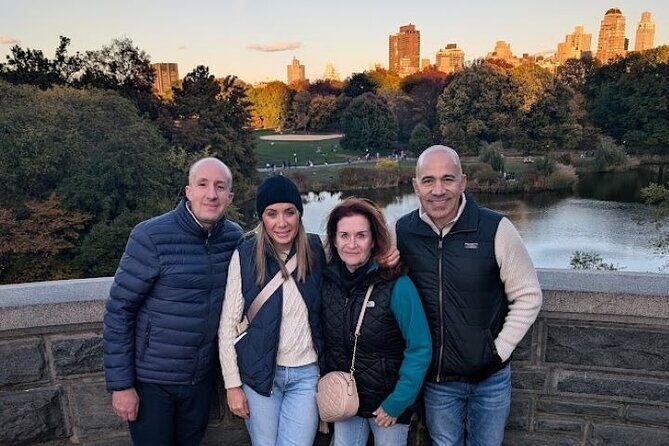
At $45 per person for about 2 hours 30 minutes, you’re not just buying access to scenery. You’re paying for a guided route that helps you move through Central Park without wasting time guessing where to go next. And since the tour is capped at a maximum of 12 travelers, it stays personal enough for real questions and photo help.
The best value piece for me is the complimentary photo album. When a guide knows the photogenic angles (and actually takes group shots), it turns your camera from a tool for “documenting” into a tool for remembering. In past experiences with guides like Patrick and Katy, the energy has been very “life-long New Yorker” and practical, with the kind of enthusiasm that makes landmarks feel human, not just famous.
English is offered, and you’ll use a mobile ticket, which is handy in a city where paper gets lost. Also, the tour is often booked around 21 days in advance, so if you’re traveling during peak season, I’d lock in a time earlier rather than later.
Other Central Park photography tours and sessions


Where you start and why the ending matters (6th Ave to Strawberry Fields)
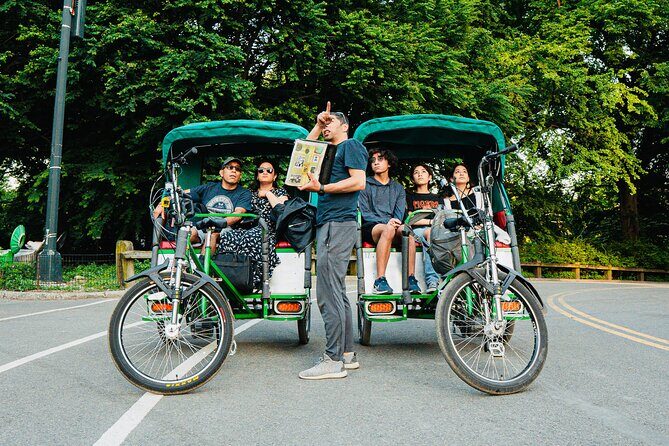
The meeting point is at NYC Adventures – Central Park Horse Carriage Rides on 6th Avenue, in front of the José Julián Martí Statue at Central Park South. That’s a great starting area because you’re already at a major edge of the park, with easy subway connections nearby, and you don’t need to “hunt” for the tour.
The walk has a smart payoff: it ends outside Strawberry Fields, at the Imagine mosaic on Central Park West & 72nd Street. That matters because after 2.5 hours of walking, you don’t want an awkward ending in the middle of nowhere. Ending near the West Side also gives you natural options for lunch, browsing, or continuing with the rest of your day.
The Pond and Hallett Nature Sanctuary: calm water, then a quiet woodland
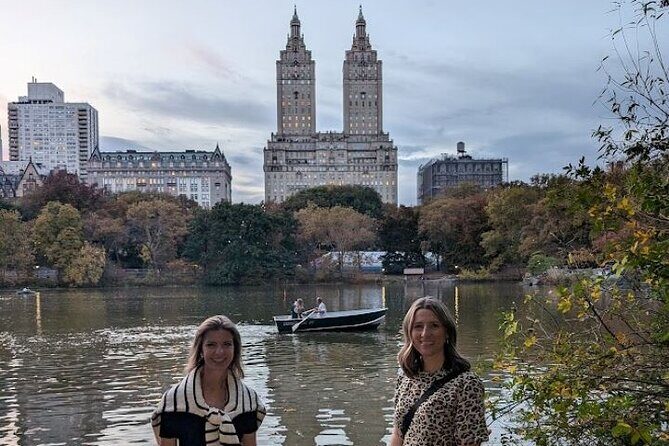
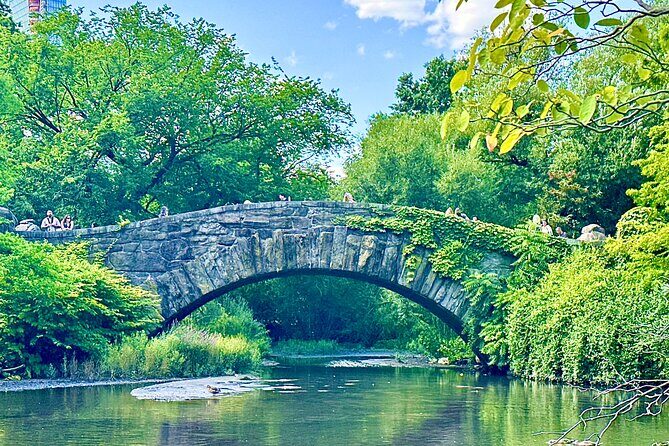
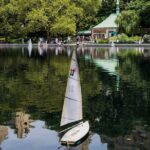
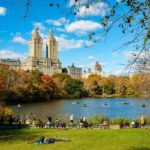
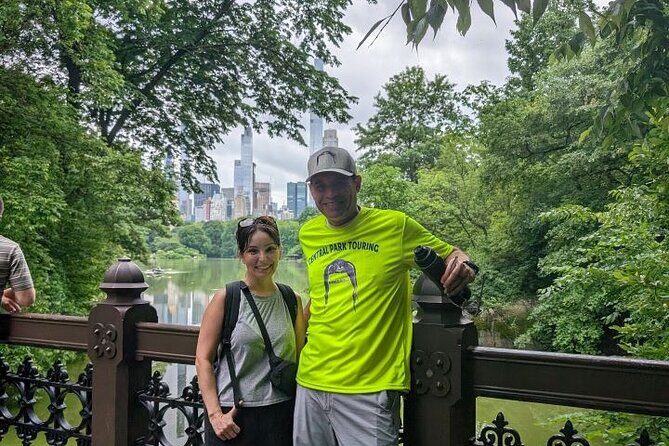
The tour starts by easing you into Central Park rather than jumping straight into crowds. At The Pond (the man-made water body in the park’s southeastern corner), the atmosphere is instantly softer. This is where you can feed ducks and swans, then line up a photo at Gapstow Bridge, one of those spots where the skyline and the park look like they were designed for each other.
Right after that, you shift into a smaller, more personal kind of nature at Hallett Nature Sanctuary. This is the smallest of the park’s woodland landscapes, and that small scale is the point. Rustic trails rise and fall around overlooks and sitting areas near the Pond shore, so you feel like you’re stepping a few blocks away from midtown noise.
It also helps that this place has a clear backstory: it was originally called The Promontory, fenced off in the 1930s as a bird sanctuary, and renamed in 1986 for George Hervey Hallett, Jr. If you like your nature stops with a little context, this one pays off.
Wollman Rink, the Carousel, and the old-school Central Park fun zone
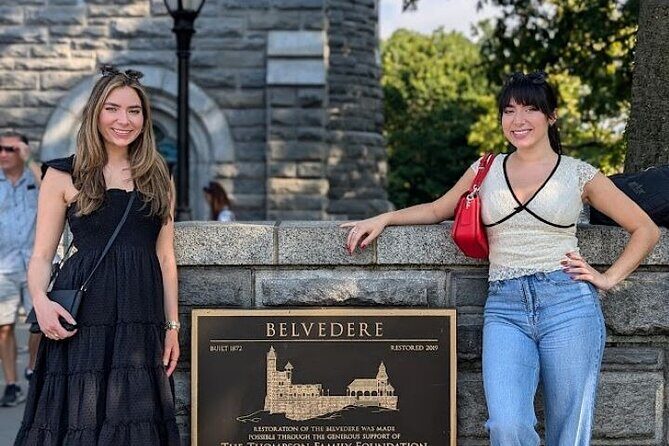
Next you’ll move through areas that feel like Central Park’s living tradition—places locals keep returning to even when they’ve “been there before.”
Wollman Rink is a year-round landmark. In fall and winter, it’s one of the city’s most popular ice skating spots, and there’s a special kind of magic to gliding with the Manhattan skyline in the background. In warmer months, the rink is transformed into a pickleball court location, with 14 courts as part of a collaboration that runs through 2026.
Then comes the Central Park Carousel, which is more than a ride stop. The carousel’s history is part of what makes it interesting: the original attraction opened in 1871, park commissioners initially objected to commercial enterprises in the park, and the first model was powered by a mule and horse moving through a hidden underground compartment. The carousel evolved over time, with later steam-powered versions destroyed by fire, and a replacement model found in Brooklyn’s Coney Island trolley terminal. It’s a fun way to see how Central Park has kept adapting.
If you’re the type who likes your famous spots with human weird details, these two stops are a strong middle-of-the-tour reset.
The Mall and Literary Walk: where the park turns into a stage
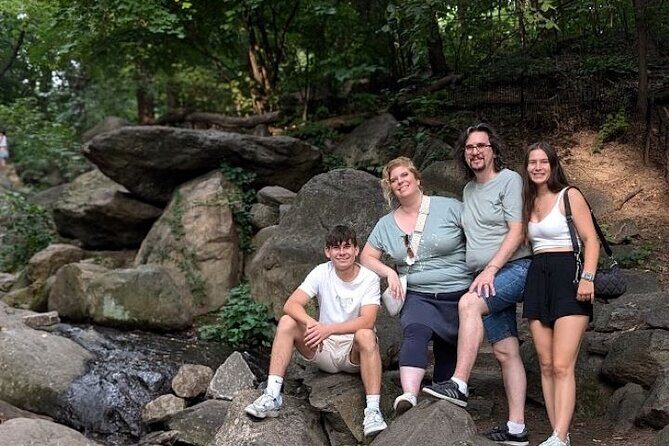
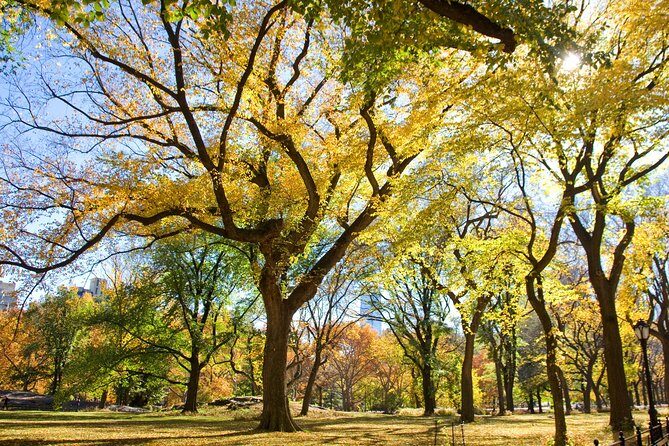
After the park’s more playful areas, you walk into a section built for long views and easy wandering: the Mall and Literary Walk, especially the Walkway of American Elms. This is the straight, tree-lined promenade known for its quadruple row of American elms.
What I like here is that it doesn’t feel like “just a path.” It’s a gathering place—artists, musicians, and performers show up here, so your walk can feel like you’re passing through an outdoor performance corridor. Even when no one is playing, the architecture of the trees helps you slow down and notice the park’s design, not just its attractions.
This is also one of those sections where photos are easier because you have long sightlines. If you’re tired from earlier stops, the Mall is a good breathing zone before the big scenic centerpieces.



Bethesda Terrace and Bow Bridge: the classic scenes with real context
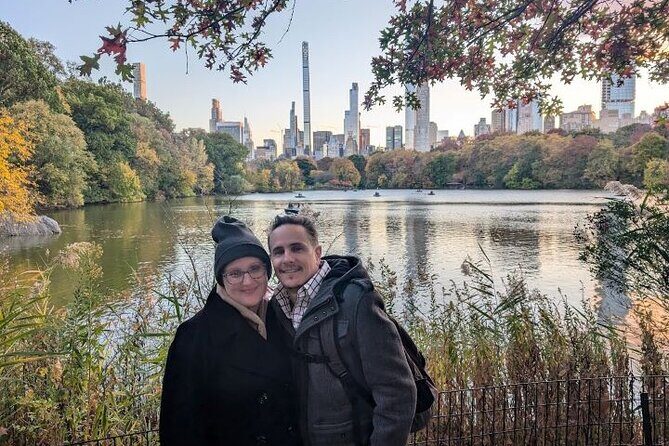
Two of Central Park’s most photographed features are close together in the tour route, and you’ll get a chance to experience both the view and the story behind them.
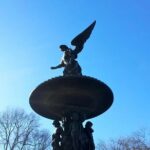
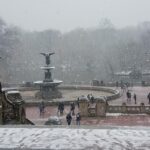
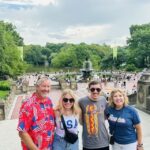
First is Bethesda Terrace, often described as the heart of Central Park. It’s a two-tier structure that frames Bethesda Fountain and the iconic Angel of Waters statue. The terrace has ornate carvings, plus those framed views over the lake that make it feel romantic and formal at the same time. If you’ve ever seen this scene in photos but didn’t know what you were looking at, this stop helps your eye understand what makes it iconic.
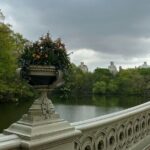
Then you cross Bow Bridge, Central Park’s most photographed and filmed cast-iron bridge. It’s named for the Victorian charm and it delivers exactly what you hope it will: a skyline view filtered through foliage and the park’s calm. Even if you’re not a “bridge person,” this is the kind of Central Park stop that makes you go, okay, I get it.
The Ramble and Belvedere Castle: woodland paths and big viewpoints
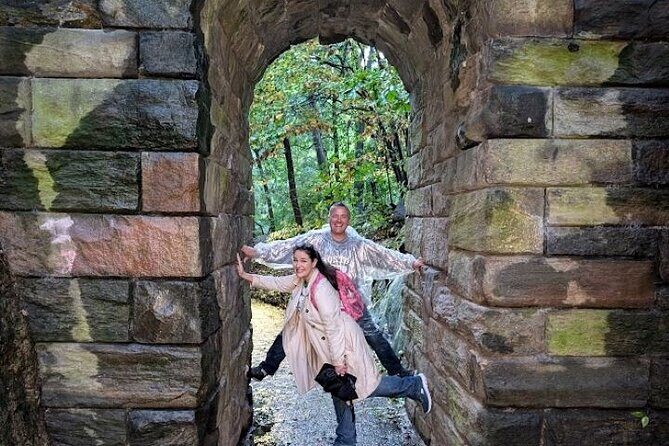
If Central Park were a story, the Ramble would be the middle chapter where the plot turns into mystery. This 38-acre woodland covers pathways between 73rd and 78th streets, and Frederick Law Olmsted famously called it a wild garden. The feeling is different from the formal straight-line promenades. Here, the path twists and you encounter trees and birds in a more sheltered way.
The Ramble is also known for bird-watching—around 230 species are found in the park—so if you like listening as much as looking, bring a little patience. You’ll also see the Gill, a man-made stream that runs through the Ramble, which helps the whole area feel more alive than a simple “walk through trees.”
From there you reach Belvedere Castle, perched atop Vista Rock. This whimsical mini castle is all about viewpoints. You get panoramic views over the Great Lawn, Turtle Pond, and the Ramble. Inside, it functions as a nature observatory with information about wildlife and opportunities for bird-watching.
This is a strong “wow” stop, but it’s also practical: the views give you a sense of scale, so the park stops feeling like a pile of attractions and starts feeling like one designed system.
The Great Lawn and Sheep Meadow: big open space for rest and people-watching
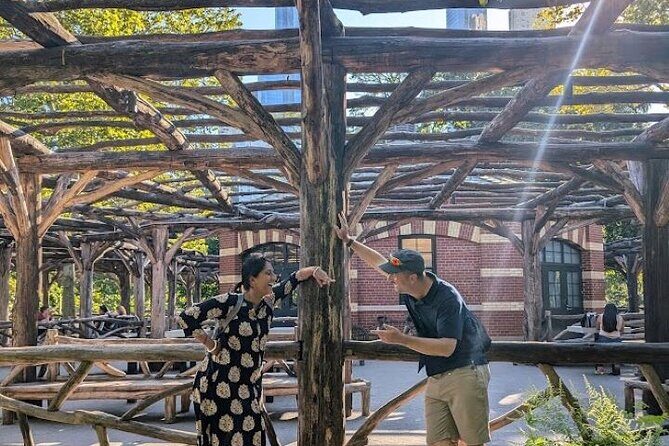
Not every Central Park highlight is a building or a bridge. Some of the magic is the space itself.
You’ll pass through or be close to the Great Lawn, a 55-acre open area near the geographic center of the park. It’s famous for everything from picnicking and sunbathing to watching softball and relaxing with the skyline in the background. If you’re thinking of planning your own snack break, this is the kind of place where it’s natural to slow down without feeling like you’re in someone’s way.
The park’s designers also envisioned a pastoral landscape at what became known as Sheep Meadow. Its name change in the 1860s reflects that original idea—sheep grazing—though those days are long gone. What remains is that feeling of an open meadow in the middle of Manhattan, with towering skyscrapers rising around it.
If you need a moment to reset energy mid-tour, these open spaces are where I’d take it. They’re also where people watching is easiest, since you can see so much around you.
Strawberry Fields, Shakespeare Garden, and the West Side landmarks
The end stretch of the tour takes you into Central Park’s emotional and cultural side, plus a short look at what sits just beyond the park’s edges.
Strawberry Fields is where you pay homage to John Lennon. It’s a tranquil 2.5-acre area built for quiet reflection, with the iconic Imagine mosaic as the anchor. The mood here is noticeably different than the playground-and-pond sections earlier in the walk, and it’s the kind of place where even a short visit feels meaningful.
Along the way, you might also catch sight of Shakespeare Garden, a four-acre space planted with trees, shrubs, flowers, and herbs connected to Shakespeare’s plays and poems, marked with bronze plaques. It’s located near the Delacorte Theater, and the garden predates the theater by decades. If you enjoy literary nods tucked into landscapes, this is a nice cross-current.
Then the tour connects the park to the Upper West Side with a look toward Theodore Roosevelt Park and the American Museum of Natural History across the street. AMNH’s scale is huge—multiple interconnected buildings, planetarium, and enormous collections—so even if you don’t go inside, you’ll understand why Central Park pairs so well with it.
You may also get context around the Central Park West Historic District and the Dakota at 1 West 72nd Street, built between 1880 and 1884. The Dakota is a National Historic Landmark, and John Lennon’s death outside the building in 1980 became a focal point for fans and remembrance.
This section works best if you like your sightseeing with a sense of place: not just what’s in Central Park, but what Central Park has always bordered.
Practical tips so your 2.5 hours feel easy
Plan for moderate physical fitness. Even though it’s not a marathon, the route covers multiple park districts and includes walking over bridges and through woodland paths.
Wear shoes that handle uneven ground. The Ramble and nature sanctuary sections involve natural terrain, and you’ll want grip and comfort more than style.
Give your phone a job: use it for wide shots at the Mall, Bethesda Terrace viewpoints, and Bow Bridge. Then put it away when you’re at The Pond feeding ducks and swans—those moments are better when you’re watching, not constantly recording.
Finally, choose your day carefully. The experience requires good weather, and if weather cancels it, you’ll be offered a different date or a full refund.
Should you book this Central Park walking tour?
I’d book it if you want Central Park in one clear route: Pond to viewpoints, formal terraces to woodland paths, and an ending at Strawberry Fields that flows naturally into the rest of your day. The small group size, the photo album, and the guide-led pacing make it feel like time spent wisely, not like you’re just wandering with a map.
I’d think twice if you hate walking, if your forecast looks shaky, or if you already know Central Park extremely well and feel you won’t gain anything from a guided storyline. For most first-timers—and even for repeat visitors who want a new angle—this tour is a solid way to see the park’s big moments without getting lost in the details.
FAQ
How much does the Central Park Tour cost?
It costs $45.00 per person.
How long is the tour?
The duration is about 2 hours 30 minutes.
What language is the tour offered in?
The tour is offered in English.
What is the group size?
The tour has a maximum of 12 travelers.
Where does the tour start and where does it end?
It starts at NYC Adventures – Central Park Horse Carriage Rides, 6th Ave and in front of the José Julián Martí Statue at Central Park South. It ends right outside Strawberry Fields at the Imagine mosaic on Central Park West & 72nd St.
Is this tour mostly walking?
The route is designed around park landmarks and includes walking through different sections of Central Park, with stops at bridges and pathways.
Is the tour dependent on weather?
Yes. This experience requires good weather. If it’s canceled due to poor weather, you’ll be offered a different date or a full refund.
Are admission tickets needed for the stops?
The stops shown in the tour plan are marked as free admission.
Are service animals allowed?
Yes, service animals are allowed.
What is the cancellation window for a refund?
You can cancel for a full refund up to 24 hours in advance. If you cancel less than 24 hours before the start time, the amount paid is not refunded.