REVIEW · NEW YORK CITY
New York City Running Tour: Central Park Highlights Tour
Book on GetYourGuide →Operated by City Fit To... N · Bookable on GetYourGuide
Central Park sounds bigger at a run. I love Ramble trails for that real escape from city noise, and I love Strawberry Fields for the calm, community feeling that keeps showing up as the park opens around you. This kind of tour works because you’re not just looking—you’re moving, so the park’s moods change while you’re still in them.
One thing to weigh: it’s still a 4.6-mile run through the lower part of the park. If you want a slow, stop-for-everything walk, this pace will likely feel more active than you planned.
In This Review
- Key Highlights Worth Planning For
- Where This Central Park Run Tour Really Wins
- Meeting at Jose Julian Marti: Getting Started Without Guesswork
- The 4.6-Mile Route: A Practical Way to See the Lower Park
- Ramble Trails: The City Escape You Can Actually Feel
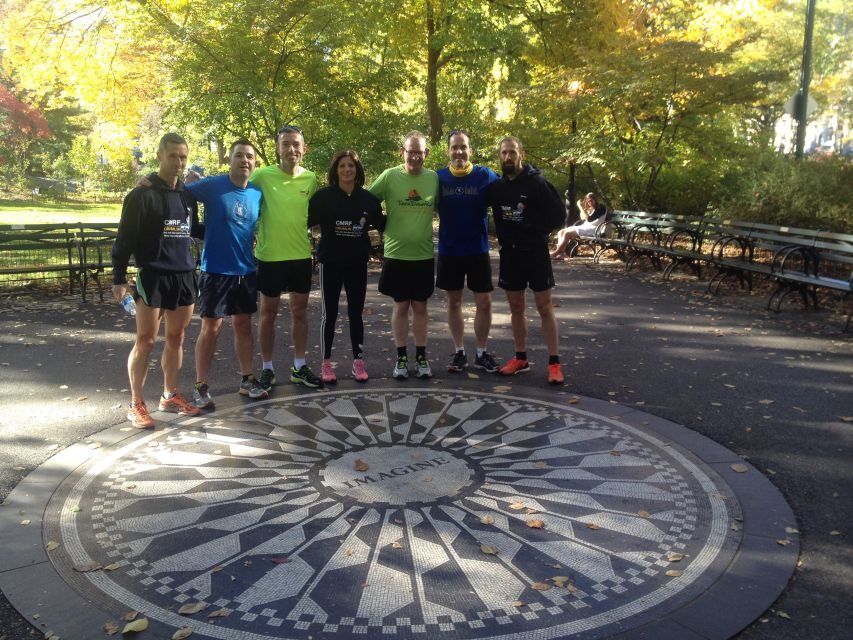
- Strawberry Fields: Calm, Community, and a Pause That Doesn’t Kill Momentum
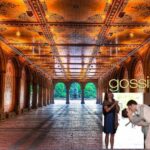
- Bow Bridge: The Park’s Most Photographed Moment, With a Runner’s Perspective
- Sea Lions at the Zoo Stretch: Morning Wildlife Energy
- Seneca Village Site: Adding Meaning to the Scenery
- Pacing for Different Runners: How to Prepare for a Mixed-Level Run
- Photos Included: What You Get From the Guide (and What You Should Bring)
- The Tour Style: Sweat and Sightsee, Without the Chaos
- Price and Value: Is $49 a Good Deal?
- Should You Book This Central Park Running Tour?
- FAQ
- How long is the Central Park Highlights Running Tour?
- What distance will I run?
- Where do I meet the guide?
- Which subway stations are closest to the meeting point?
- Is the tour guide available in English?
- Are photos included in the price?
- Will the tour work for different running levels?
- What kind of stops should I expect?
- Can I pay later or cancel if plans change?
Key Highlights Worth Planning For
- Ramble escape on actual paths instead of wandering the park map
- Strawberry Fields tranquility with time to absorb the mood, not just pass through
- Sea lions early-morning laps at the zoo stretch of the route
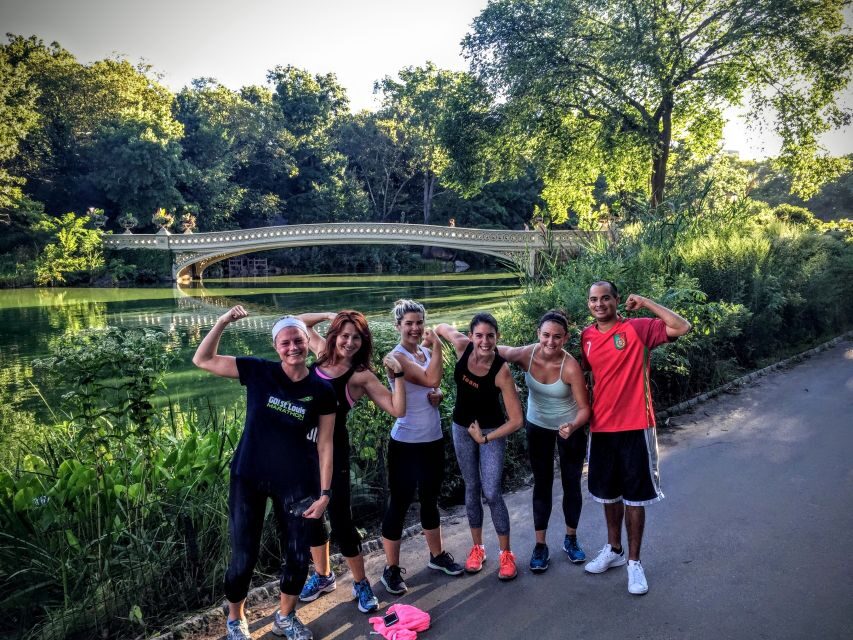
- Bow Bridge photo moment where the park’s views are at their most classic
- Seneca Village Site history stops that add meaning to the scenery
- Guide-led pacing for all running levels over a total of about 7 km
Where This Central Park Run Tour Really Wins
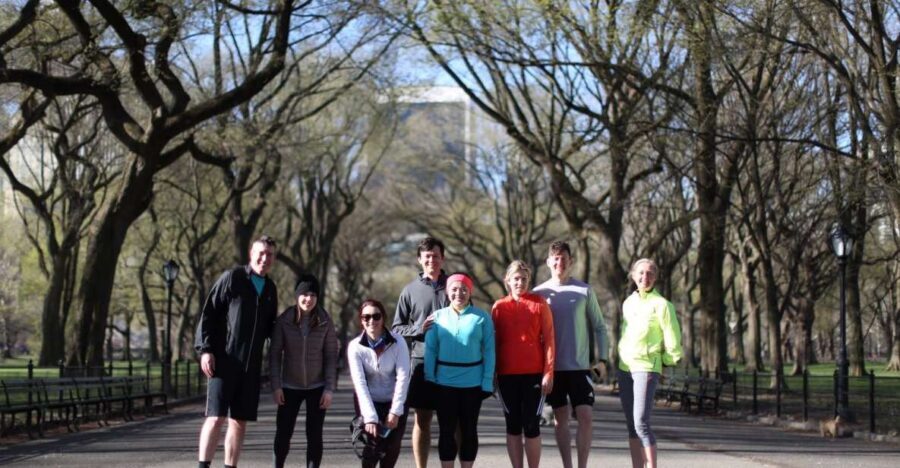
Central Park is famous for a reason, but it can also be a maze. A guided running tour turns the park into a sequence you can follow without stress. You get the highlights, plus the why behind them, all while staying in motion.
I also like that the tour is built for different runners. The route is paced for all levels, so you’re not forced into a speed contest. That matters, because the real challenge in Central Park isn’t distance—it’s figuring out where to go next without losing your energy.
Finally, you get a “connection” angle that actually fits a running day. The tour leans on stories, quick photo stops, and that shared rhythm of moving through the park together (even when you’re taking it at your own pace).
Other Central Park running tours
Meeting at Jose Julian Marti: Getting Started Without Guesswork
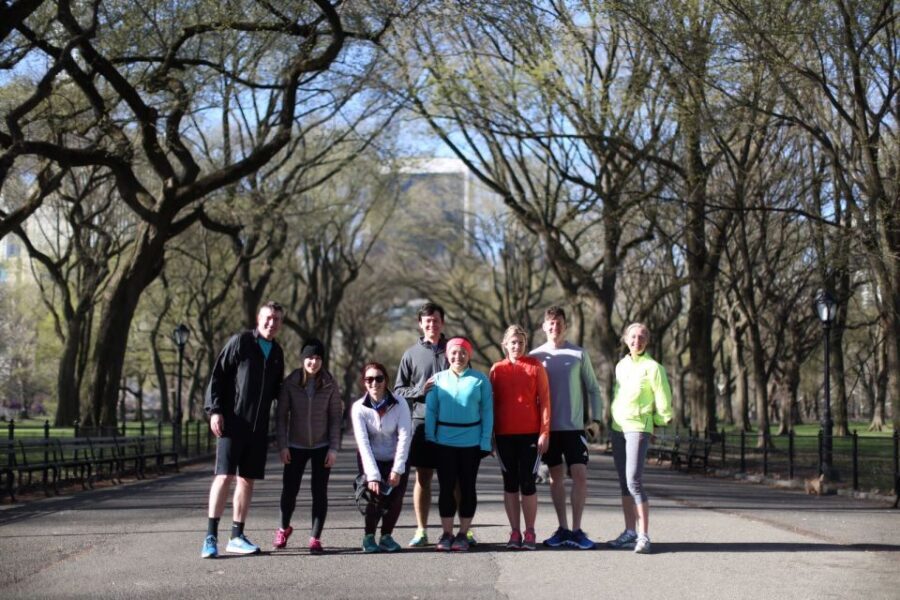
The meeting point is the Jose Julian Marti Statue at the 6th Avenue and 59th Street entrance to Central Park. It’s a clear landmark, which helps a lot when you’re arriving in a busy area.
For subways, aim for:
- F/M to 57th Street
- N/R/W to 59th/5th Avenue
- 1/A/C/B/D to Columbus Circle
This matters because Central Park is surrounded by transit options, but getting to the right entrance can still cost time. Starting at this specific corner lets you begin your run with less confusion and more warm-up time.
The 4.6-Mile Route: A Practical Way to See the Lower Park
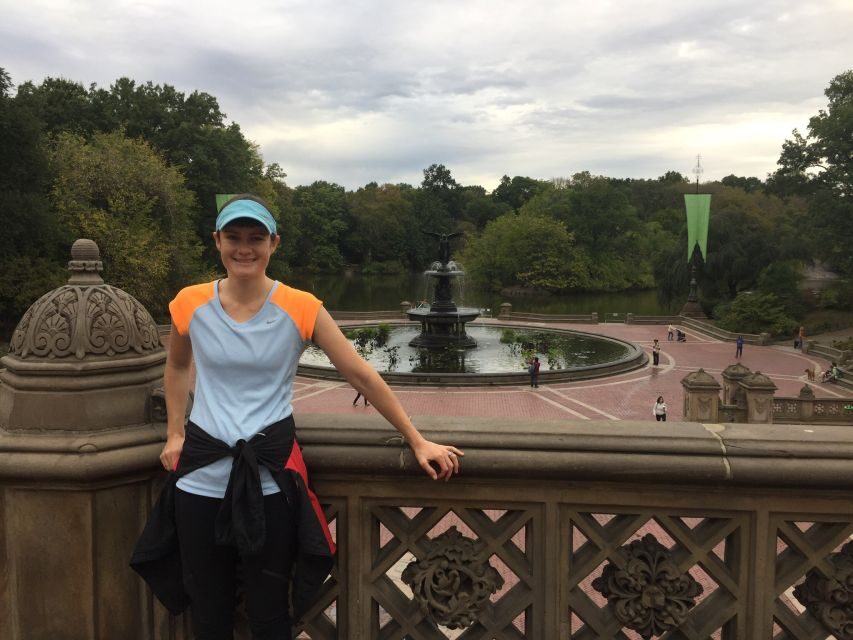
The course is 4.6 miles (about 7 km) through the lower section of Central Park. Total time is about 1.5 hours, so you can think of it as a focused run with planned stops rather than a long, lingering tour.
The route is designed around several anchors:
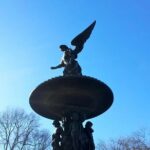
- Dairy area into Bethesda Terrace
- Strawberry Fields
- Up through the Ramble
- Toward the Seneca Village Site
- Across the lower section of the Reservoir
- Down through the Zoo and more
What’s smart here is that the stops are spaced so you can catch your breath, look around, and still keep the run feeling like one continuous experience. It’s a great formula for people who want the park’s famous moments without spending half a day on logistics.
And yes, you’ll be walking some parts at stop points. That’s part of how the tour keeps it fun and manageable, especially if you’re not a die-hard runner.
Ramble Trails: The City Escape You Can Actually Feel
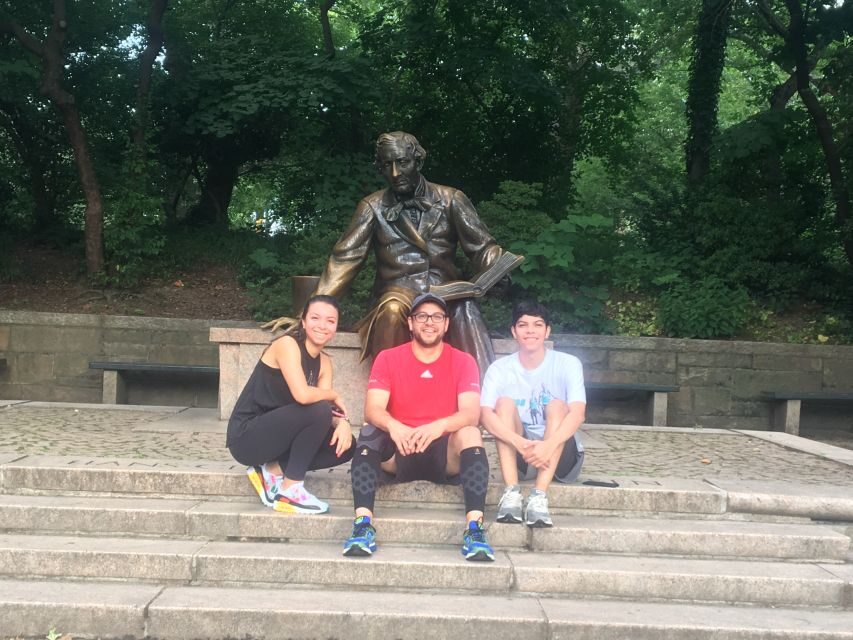
The Ramble is one of those places where Central Park stops feeling like an attraction and starts feeling like a refuge. On this tour, you run through the trails there, which is a big difference from just peeking at the park from the main paths.
Why it works: the Ramble is quieter in feel, and it naturally slows your attention. Instead of scanning crowds or big landmarks, you notice turns in the path and how the park changes underfoot.
If you like the idea of running as a way to experience the park’s textures—shade, curves, and that semi-hidden trail feeling—this is one of the best sections to look forward to. It’s also a strong place for beginner-to-intermediate runners to settle into the tour rhythm.
Strawberry Fields: Calm, Community, and a Pause That Doesn’t Kill Momentum
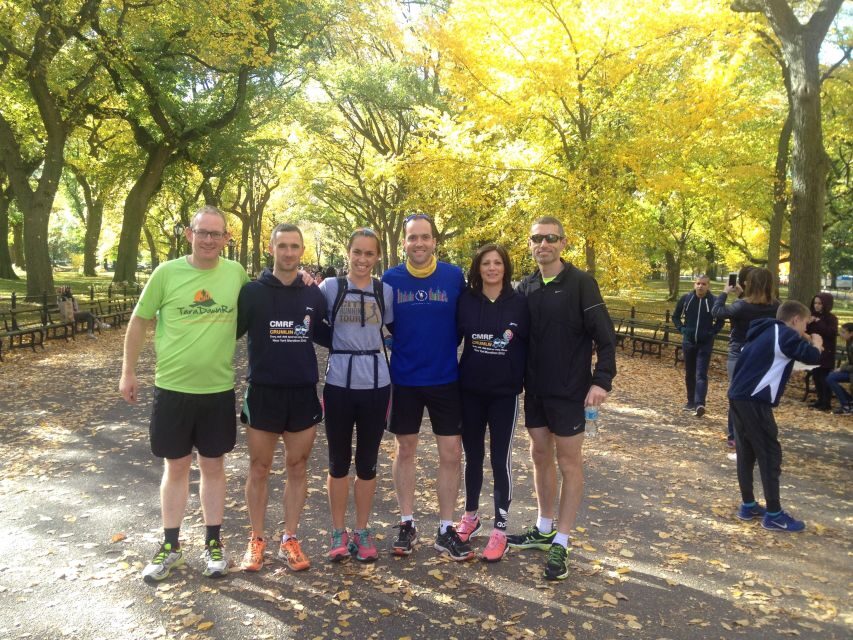
Strawberry Fields brings a different tone to the run. The tour centers the experience so you can take in the atmosphere without feeling rushed.
You’ll get tranquility here, and not just because it looks peaceful. It’s the kind of spot where your body slows down naturally, and that changes how you notice the rest of the park. When you’re running through a highlight sequence, this is the kind of emotional reset that makes the miles feel meaningful.
It’s also a good stop if you’re traveling solo. Even though you’re active, the mood in Strawberry Fields is reflective, and it gives you a moment that feels personal, not like you’re just checking boxes.
Other city tours we've reviewed in New York City


Bow Bridge: The Park’s Most Photographed Moment, With a Runner’s Perspective
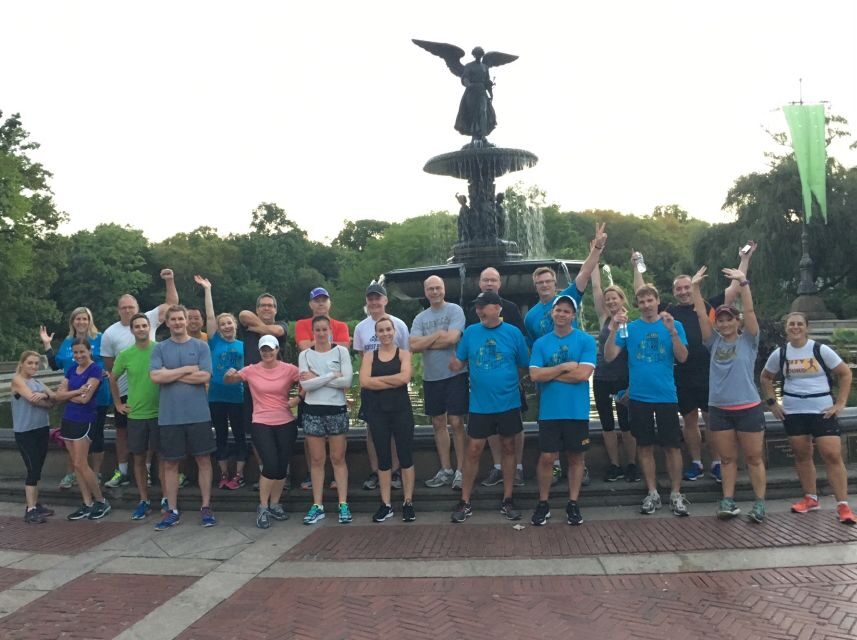
Bow Bridge is listed as the most photographed location in the park, and you’ll cross it during the run. That’s huge, because photos at Bow Bridge are often the result of standing still for a while.
Here, you get a runner’s perspective. You approach the bridge as part of the route, you cross it as part of the experience, and you move on while it’s still fresh in your memory. It makes the bridge feel less like a photo trap and more like a transition point in the park story.
Practical tip: if you’re bringing your own camera, this is exactly the kind of stop where you’ll want it ready. The tour guide will take photos too, but having your own shots helps you capture your angle and timing.
Sea Lions at the Zoo Stretch: Morning Wildlife Energy
One of the more fun specifics: you’ll watch sea lions do early morning laps. That’s not a generic “see the park” moment. It’s a living scene, timed to the morning energy when animals are active.
This section is also where the route connects you to the park as a working place, not only a scenic one. You’re running through an area that’s in motion, with visitors and activity nearby, while you still get the guided flow of the tour.
If you’re the type who likes seeing the park’s daily life, this is one of the highlights that makes the run feel like more than a sightseeing loop.
Seneca Village Site: Adding Meaning to the Scenery
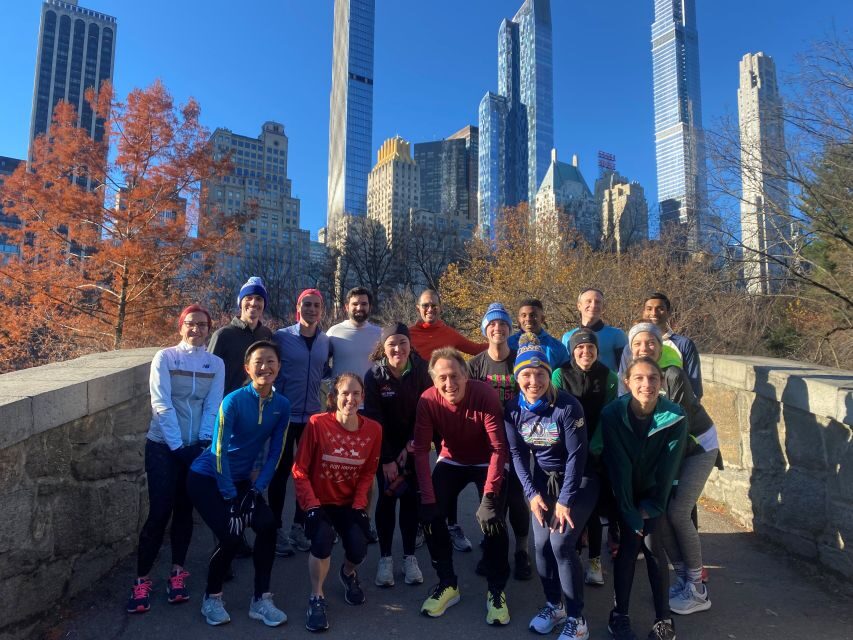
The tour includes a stop at the Seneca Village Site. Instead of treating that area like scenery only, the guide frames it as a history stop, so you can understand why this location matters.
You’ll come away with a richer context for what you’re walking past, which is the whole point. A Central Park run is easy to turn into a series of landmarks. This tour nudges it toward something more grounded—place and story tied together.
I like these history moments because they prevent the park from feeling like just a photo set. Even if you’re not a museum person, it’s the kind of stop that makes your memory of the route stronger.
Pacing for Different Runners: How to Prepare for a Mixed-Level Run
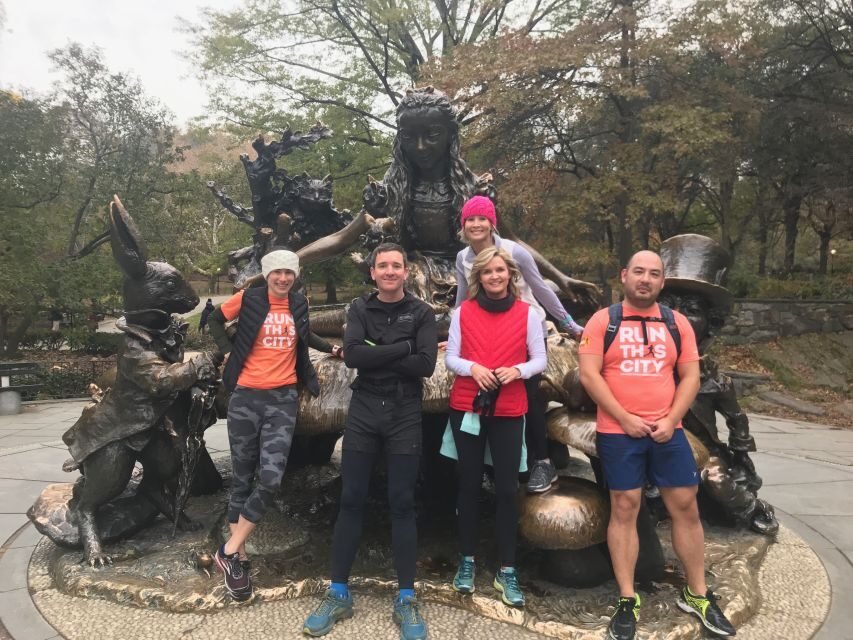
The distance is 4.6 miles and the tour is paced to accommodate all running levels. That doesn’t mean it’s a casual stroll, but it does mean the guide structure helps you keep moving without panicking.
Expect to balance running with short pauses at planned stops. The guide also uses the tour backpack concept to carry small items for you if necessary, which can reduce the burden of hauling your stuff while you’re focused on your stride.
If you’re training for a longer run, this is a solid “short but packed” workout. If you’re easing back into running or you’re new to running, the route is short enough that you can finish with pride instead of exhaustion.
What I’d plan around: dress for the weather you’ll actually face. One of the best parts of Central Park in winter is that the park still feels special—but cold air can turn a 4.6-mile run into a tougher effort than you expected.
Photos Included: What You Get From the Guide (and What You Should Bring)
Photos are included, and the guide will take them. That’s useful because you can stay in the flow and not worry about stopping for every shot.
Still, it’s smart to bring your own camera. The tour explicitly encourages it. When you’re crossing Bow Bridge or stopping around Strawberry Fields, you’ll likely want the option to grab your own photos with your own timing.
Also, wear something you can move in. This is a running tour, so even though the stops are scenic, you’ll want clothing and shoes that handle continuous motion with brief stops.
The Tour Style: Sweat and Sightsee, Without the Chaos
This tour is designed to be exciting and structured. It’s not just “run and hope you see the highlights.” Stops are part of the route, and the pacing is built so you don’t feel lost or left behind.
Some guides bring extra personality to the day. In past experiences with this operator, guide names like Steve, Joey, and Alicia come up, and the common thread is clear communication and a pace that keeps the run enjoyable. Even if your guide is someone else, you can expect that kind of energy: conversational, practical, and focused on the park.
That’s a big deal in Central Park. The park can swallow your plans if you rely on memory. A guided run keeps you oriented while still letting you enjoy the changing scenery.
Price and Value: Is $49 a Good Deal?
At $49 per person for about 90 minutes and a 4.6-mile guided route, you’re paying for three things:
- A structured Central Park route through major highlights
- A live English guide to connect the scenery to stories
- Photos taken during the run
If you were to do this on your own, you’d still need to figure out the path, choose stops, and manage navigation while running. Paying $49 is worth it if you want time saved and fewer wrong turns, especially in a place as big as Central Park.
It’s also good value when you consider the photos. You’re not just buying directions—you’re getting visual souvenirs from the exact highlight points on your route.
The best value is for people who want Central Park to feel organized. If you already know the park well and love planning your own routes, you might not need a guide. If you don’t, this is an efficient way to get the main moments without spending your vacation wrestling with logistics.
Should You Book This Central Park Running Tour?
Book this tour if you want a Central Park highlight day that feels active, efficient, and guided. It’s a strong fit for solo travelers who want the park’s best moments without getting lost, and it’s also great for couples or friends who like movement and scenery working together.
Skip it if your ideal Central Park visit is slow, lounge-like, and low-energy. This is still a run, even though it’s paced for all levels and includes stops.
If you’re on the fence, I’d decide based on one question: do you want the park experience to be guided and structured, or do you want to freestyle your own route? For me, the structured approach is what makes Central Park easier to enjoy, and that’s exactly what this tour is built for.
FAQ
How long is the Central Park Highlights Running Tour?
The tour lasts about 90 minutes (approximately 1.5 hours).
What distance will I run?
You’ll run a 4.6-mile route (about 7 km) through the lower section of Central Park.
Where do I meet the guide?
Meet at the Jose Julian Marti Statue at the 6th Avenue and 59th Street entrance to Central Park.
Which subway stations are closest to the meeting point?
The closest options listed are F/M to 57th Street, N/R/W to 59th/5th Avenue, and 1/A/C/B/D to Columbus Circle.
Is the tour guide available in English?
Yes, the live tour guide language is English.
Are photos included in the price?
Yes. Photos are included, and the guide will take them. You’re also encouraged to bring your own camera.
Will the tour work for different running levels?
The tour is paced to accommodate all running levels.
What kind of stops should I expect?
The tour includes highlights like the Ramble, Strawberry Fields, sea lions in the Zoo area, Bow Bridge, the Seneca Village Site, and sections across the lower Reservoir.
Can I pay later or cancel if plans change?
Free cancellation is available up to 24 hours in advance for a full refund, and you can reserve now and pay later.