REVIEW · NEW YORK CITY
Central Park Highlights Running Tour
Book on Viator →Operated by Fit Tours NYC · Bookable on Viator
Run the park, learn the stories. A guided 5K through Central Park turns a walk into motion, with quick picture stops and history you can actually remember (some guides like Dan and Cat are especially good at keeping it relaxed). I like the way the route threads together famous landmarks without dragging, so you get that NYC feeling fast.
What you’ll like most is the structure: brief pauses for photos and context, plus a casual pace that keeps the group together. One practical thing to consider: there’s no place to store bags, so travel light, and expect a moderate fitness level (minimum age is 14).
In This Review
- Central Park Highlights in a Guided 5K: Key Reasons It Works
- Why This Central Park Running Tour Feels More Like a Plan Than a Tour
- Price and Timing: Is $49 Good Value for NYC?
- Meet at José Julián Martí Statue: The Start That Gets You Oriented Fast
- Stop 1: Bethesda Fountain for the Perfect First Photo Pause
- Stop 2: Strawberry Fields and a Quick Burst of Meaning
- Stop 3: Belvedere Castle for the View-First Payoff
- Stop 4: Alice in Wonderland Statue for Fun Without the Long Lines
- Stop 5: Jacqueline Kennedy Onassis Reservoir for a Classic Running-Path Finish
- The Guide Factor: Friendly History That Doesn’t Slow You Down
- What to Wear and Bring for a Smooth 5K Through Central Park
- Getting the Most Out of the Brief Stops
- Should You Book This Central Park Highlights Running Tour?
- FAQ
- How long is the Central Park Highlights Running Tour?
- Where does the tour start, and how does it end?
- What’s included in the price?
- What should I bring since there is no bag storage?
- What if the weather is bad?
- What is the minimum age and fitness level?
Central Park Highlights in a Guided 5K: Key Reasons It Works
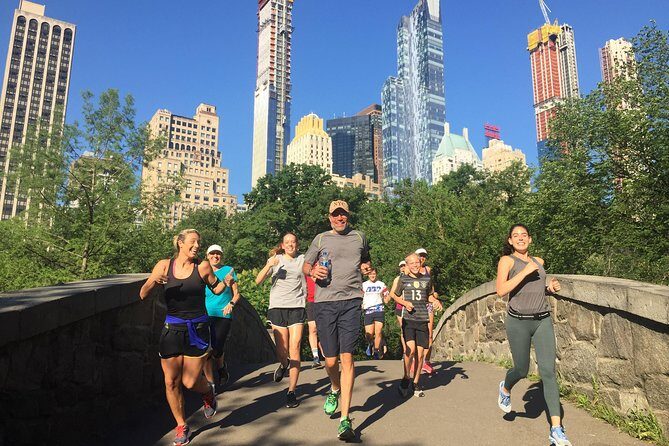
- Casual pace with guidance keeps you moving while still letting you stop for photos
- Landmark-to-landmark flow hits Bethesda Fountain, Strawberry Fields, Belvedere Castle, and more
- Small group size (max 10) helps you get attention when you need it
- Guide-led storytelling adds meaning to places you already recognize
- Photo-friendly timing built into each quick stop (mostly 2–5 minutes)
Why This Central Park Running Tour Feels More Like a Plan Than a Tour
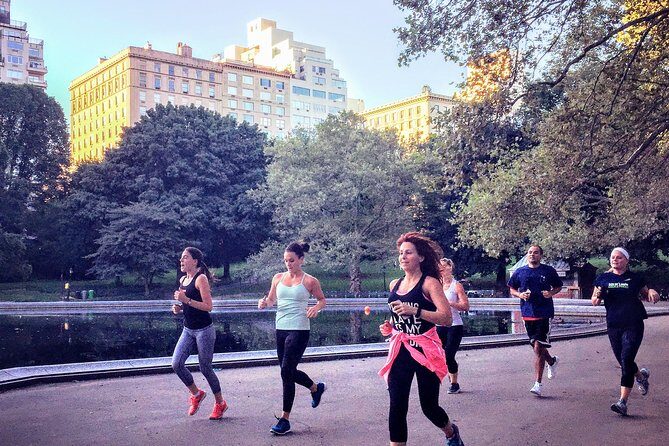
Central Park is big enough to feel mysterious even when you know the famous photos. This tour gives you a simple answer: run the route, stop at the sights, and get just enough background to make the park feel personal instead of random.
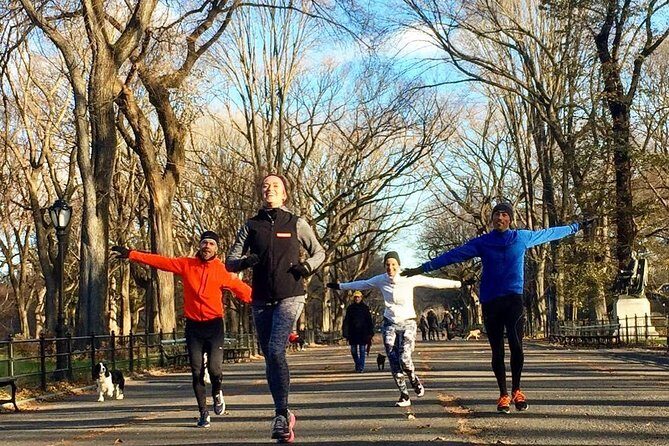
You’re also not expected to race. The pace is described as casual, with an average time around 9:30/10 minutes per mile. That’s helpful if your goal is to enjoy the views and the atmosphere rather than chase a PR. Think of it as exercise with training wheels: you’ll get a workout, but you won’t be dropped.
And because the tour is guided, you’re not just reading plaques later. You’re hearing what each spot is known for while you’re standing right there, which makes it easier to connect the dots.
Other Central Park running tours
Price and Timing: Is $49 Good Value for NYC?
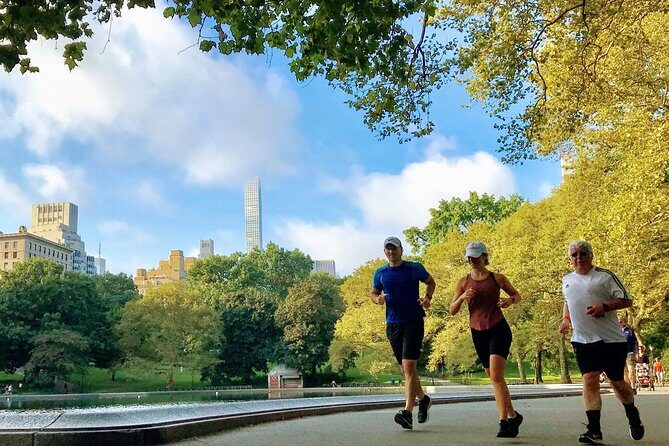
At $49 per person for about 1 hour 15 minutes, you’re paying for two things: the guide and the route design that makes the run efficient. Transportation isn’t included, so you’re not outsourcing getting to Central Park. But once you’re there, the tour gives you a ready-to-go experience.
Here’s the value angle: a guided run like this saves you time figuring out the best path across Central Park. And since there’s no paid entry called out for the stops, you’re not stacking extra costs on top of the ticket price. For a first-time visitor, that’s a big deal—you want your sightseeing to move forward, not turn into logistics.
One more note for timing: it’s booked pretty far in advance on average (about 39 days). That usually means demand is real, so if your dates are firm, don’t treat it like a last-minute add-on.
Meet at José Julián Martí Statue: The Start That Gets You Oriented Fast
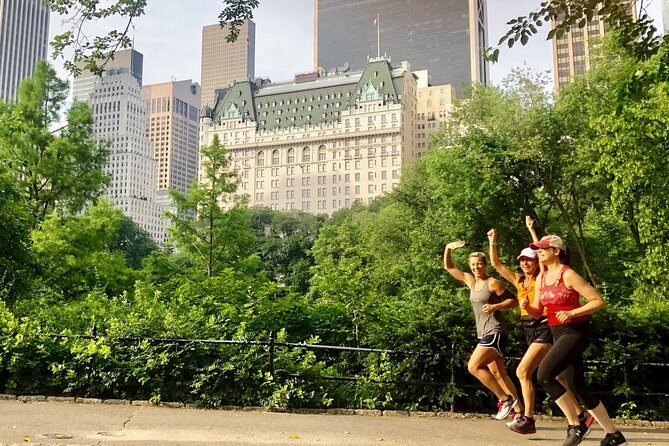
The meeting point is at the José Julián Martí Statue, W 59th St & Center Dr, and the tour ends back at the same spot. That round-trip setup matters more than it sounds. Central Park can make you feel disoriented fast; starting and ending in the same place reduces the stress of figuring out where you are mid-run.
Plan to arrive at least 10 minutes early. With only a small group (max 10), the tour moves quickly after check-in, and late arrivals can throw off the pacing and the timing of those short stops.
The tour also uses a mobile ticket, which is convenient if you’re juggling multiple reservations in New York. Just keep in mind you should bring as few personal items as possible, because there’s no bag storage.
Stop 1: Bethesda Fountain for the Perfect First Photo Pause
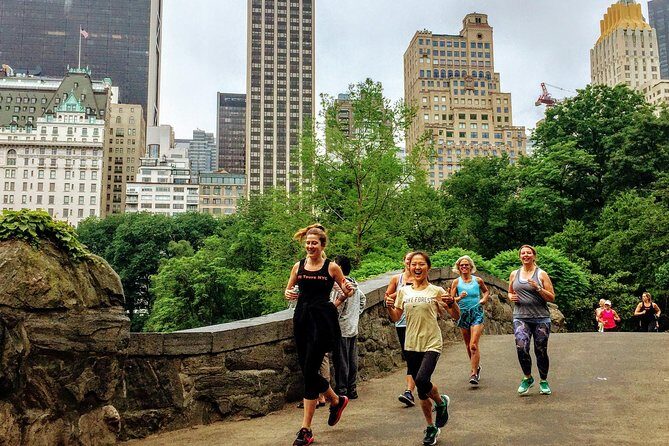
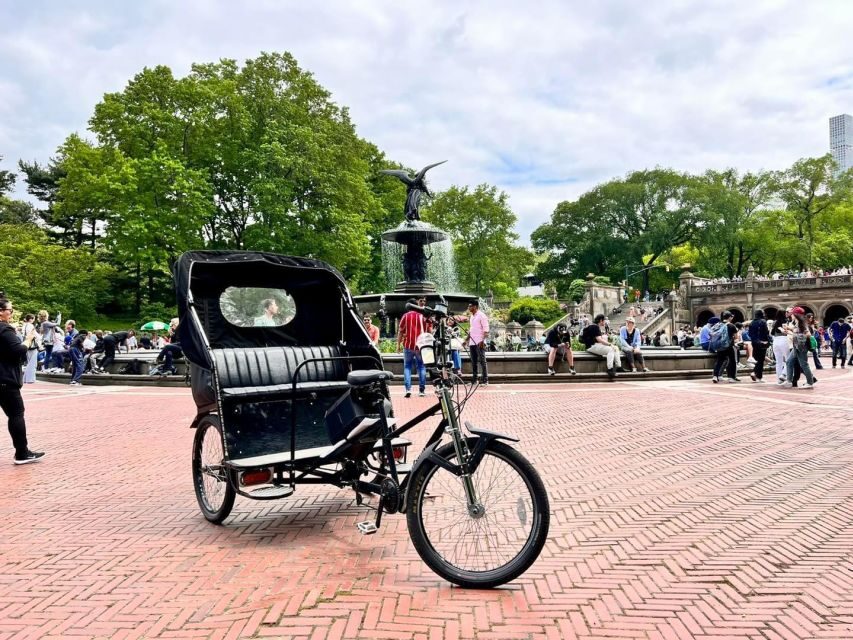
Your first landmark stop is Bethesda Fountain, and you’re making it early—about a 2-minute pause. This is smart. Bethesda Fountain is a giant visual anchor in Central Park, and getting your first big moment near the start helps you settle in mentally.
Because this is a casual run, you’re not doing a full sprint-and-stare routine. The guide uses the brief stop to orient you: what you’re looking at, why it’s known, and how it fits into the larger Central Park story. You’ll also have a small chance to grab photos without turning the workout into a slow shuffle.
The one drawback to this kind of stop timing is simple: you’re not here for a long photo session. If you like to take dozens of angles, you’ll need to be decisive. Still, the short pause keeps the overall flow, which is the point.
Stop 2: Strawberry Fields and a Quick Burst of Meaning
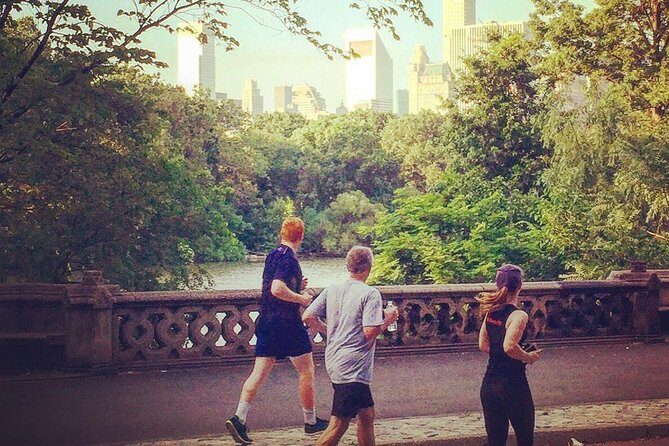
Next comes Strawberry Fields, another 2-minute stop. If you’ve seen pictures before, you’ll probably recognize it instantly. But the value here is the context the guide adds while you’re there.
This stop is designed for a fast mental connection: you’ll learn what the place represents and why it matters, then you’ll snap photos and keep moving. That matters because if you just pass through without any explanation, you can miss what makes it more than a famous spot.
If you’re traveling with someone who wants to understand as well as see, this is the moment that usually works. It’s short enough to keep energy up, but informative enough to make it stick.



Stop 3: Belvedere Castle for the View-First Payoff
Belvedere Castle is where the tour shifts from quick photo stops to a more satisfying payoff. You get about a 5-minute stop here, and the focus is the views from the highest point in Central Park, plus a look at the surrounding areas.
This is the best spot on the route for travelers who want to feel like they truly arrived at something scenic—not just hit a checklist. A castle-with-a-view in the middle of Manhattan sounds dramatic, but Central Park’s layout makes it believable. And because you’re there after a little running already, the walk-up and the pause feel earned.
A practical consideration: even though the stop is only five minutes, views tend to attract people. You’ll want to move efficiently—look, capture, and reposition—so you don’t get stuck waiting for space.
Stop 4: Alice in Wonderland Statue for Fun Without the Long Lines
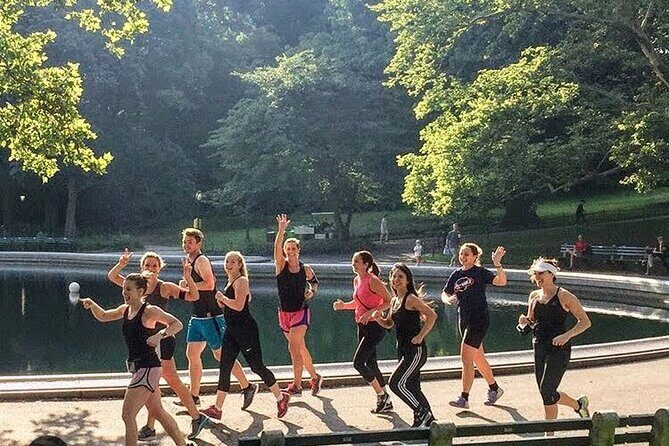
Then it’s the Alice in Wonderland Statue, another 2-minute stop. This is the playful break in the middle of the run, and it works because it’s simple: a famous figure, a quick explanation, and time for a few photos before you move on.
This stop is ideal if you’re traveling with teenagers or families who might not love long museum-style narration. The guide can keep it light and relevant, and you get a recognizable NYC moment without turning it into a time sink.
The only thing to watch is your expectations. It’s brief by design. If you’re hoping for a lingering, fully posed photo shoot, you might feel rushed. But if you want a quick, fun landmark moment during a 5K, this hits the mark.
Stop 5: Jacqueline Kennedy Onassis Reservoir for a Classic Running-Path Finish
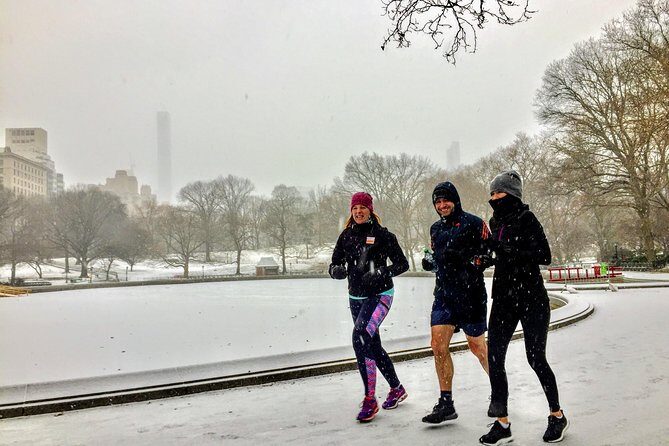
The last big highlight is Jacqueline Kennedy Onassis Reservoir, with about a 5-minute pause. This section is described as running along the famous running path, which is the best kind of Central Park ending: you feel like you’re doing something athletic that actually belongs to the park.
You also get that final view moment, again with photo time, before the tour loops back to the meeting point. Ending with a running-path stretch can be psychologically helpful. You’ve already warmed up, you’ve had multiple landmark interruptions, and now you finish on something that feels designed for runners.
If you’re new to running in parks, this reservoir area is also a good reality check. You’ll learn how the park feels at pace, how people flow around runners, and where it’s easier to keep moving without getting too tangled.
The Guide Factor: Friendly History That Doesn’t Slow You Down
The experience is built around one core ingredient: a professional guide. That matters because the tour is short and movement-heavy. If the narration isn’t clear, the run feels like stopping without meaning. But the guide is there to keep it both fun and efficient.
Some guides, including Dan and Cat (mentioned in feedback), are highlighted for being knowledgeable and also flexible with photos—useful if you’re traveling with someone who can’t run with you or if you want help timing a shot. Even when stops are only two minutes, a good guide can make those minutes count.
What you should expect from the guide style on this kind of tour:
- short, relevant background
- quick instructions so you stay together
- enough patience for photos without turning the run into a long break
What to Wear and Bring for a Smooth 5K Through Central Park
Since the route is active, your clothing choices matter more than usual for a sightseeing day. Stick to comfortable running shoes and clothes you can move in. The pace is casual, but you’ll still be running for much of the 1 hour 15 minutes.
Bring as few personal items as possible. There’s no place to store bags, so avoid anything you wouldn’t want to carry in motion. A phone is fine. A water bottle might be reasonable depending on your own comfort, but you don’t have storage space for heavy items.
Also, plan for weather. The experience is described as requiring good weather. If conditions aren’t right, the tour can be canceled and you’ll be offered a different date or a full refund. New York weather can flip quickly, so check the day-of forecast and don’t wear your most precious gear.
Getting the Most Out of the Brief Stops
Because every stop is timed—mostly 2 minutes, with longer moments like Belvedere Castle at 5 minutes—you’ll enjoy the tour more if you run with a photographer’s mindset, not a tourist’s. Pick your key angle at each stop and then move. The guide will keep things flowing.
If you’re the kind of traveler who loves to read every plaque and linger, this may feel too fast. But if your goal is to mix exercise and iconic sights in a tight window, the design is exactly right.
It also helps to come in knowing you’re not here to break your personal best. The tour is casual by nature. That can be a relief for first-timers who worry they’ll be judged or kept behind.
Should You Book This Central Park Highlights Running Tour?
Book it if you want a structured, low-stress way to see Central Park landmarks while getting a real workout. The combination of a small group, an English-speaking professional guide, and short photo stops makes it a strong fit for first-time visitors and runners who prefer guidance over wandering.
Skip it—or at least think twice—if you hate carrying your belongings, because there’s no bag storage, or if you’re planning around a very tight schedule with no flexibility. Also remember the minimum age is 14 and the tour requires moderate fitness.
If you can handle those basics, this is one of the easier ways to turn Central Park from a big name into a set of places you actually understand.
FAQ
How long is the Central Park Highlights Running Tour?
The tour lasts about 1 hour 15 minutes.
Where does the tour start, and how does it end?
It starts at the José Julián Martí Statue at W 59th St & Center Dr, and it ends back at the same meeting point.
What’s included in the price?
The tour includes a professional guide. Transportation to and from attractions is not included.
What should I bring since there is no bag storage?
Bring as few personal items as possible, because there is no place to store bags or other personal items during the tour.
What if the weather is bad?
The experience requires good weather. If it’s canceled due to poor weather, you’ll be offered a different date or a full refund.
What is the minimum age and fitness level?
The minimum age is 14. You should have a moderate physical fitness level.