REVIEW · NEW YORK CITY
First Class Central Park Tour – Iconic Views & VIP Photo Moments
Book on Viator →Operated by CENTRAL PARK TRAVEL ™ · Bookable on Viator
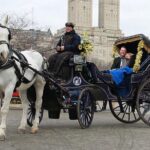
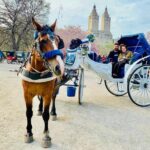
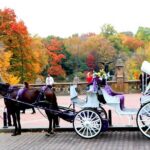
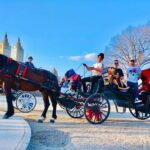
Central Park is the one place where a short ride can feel like a whole day. This private pedicab tour strings together famous sights, film locations, and classic park landmarks with smart photo stops, plus the guide-friendly storytelling that makes the details stick.
What I like most is the pace: you cover far more ground than walking, yet you still get time to stop, look, and shoot photos. I also really value the human touch—Ricky runs the ride like a friendly local, with well-timed facts (and even movie clips) that add meaning to what you’re seeing.
One thing to think about: it depends on weather, and because it’s outdoors, you’ll want to dress for wind and temperature so you can enjoy every stop comfortably.
In This Review
- Key highlights to look for
- How a private pedicab changes Central Park fast
- Meeting point and how the ride feels with Ricky
- Central Park in one sweep: the core sights you’ll recognize
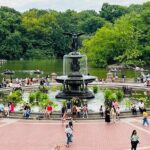
- Bethesda Fountain and Bethesda Terrace: the architecture lovers’ stop
- The Mall and Strawberry Fields: a straight line and a peace message
- Bow Bridge, Gapstow Bridge, and the pond views you can’t fake
- The Pond and The Lake: small water moments that make the park feel bigger
- Chess tables, carousels, and the Dairy House for a family-friendly rhythm
- Wollman Rink, rumble of the concert grounds, and a zoo in the middle of the city
- Statues and story stops: Balto, Falconer, Daniel Webster, and more
- Conservatory Water and Pinebank Arch: calm corners with film flair
- Sheep Meadow, The Dakota, and Tavern on the Green: where Central Park meets pop culture
- Alice in Wonderland statue and Heckscher Playground: play that feels built for imagination
- Upper Park add-ons: Cleopatra’s Needle, The Met, the Reservoir, and Belvedere Castle
- Price and timing: is $39.20 worth it?
- Should you book this Central Park First Class tour?
- FAQ
- How long is the Central Park First Class tour?
- What does the tour cost?
- Is this a private tour for just my group?
- What’s the meeting point?
- Is the tour in English?
- What’s included and what’s not?
- What if weather is bad?
Key highlights to look for
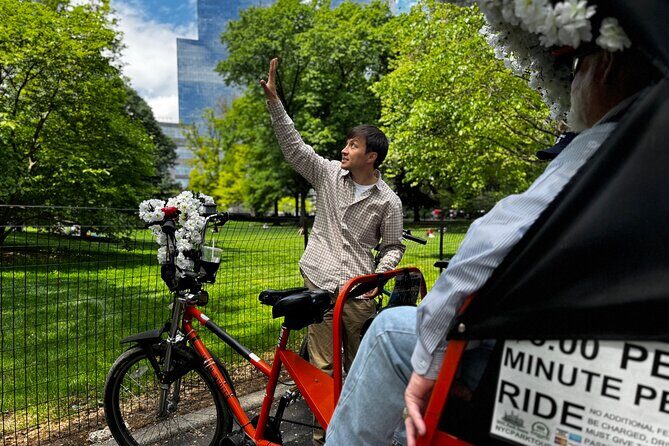
- Private pedicab for your group only so you’re not stuck in a crowd shuffle
- Ricky’s photo help at the best angles, not just random stops
- Season comfort included with shade in summer and blankets in winter
- Central Park icons in one sweep from Bethesda to Strawberry Fields
- Story-driven stops tied to art, architecture, and pop culture moments
How a private pedicab changes Central Park fast
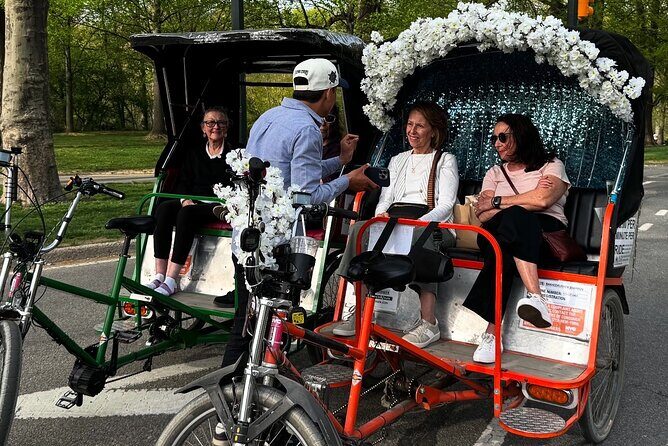
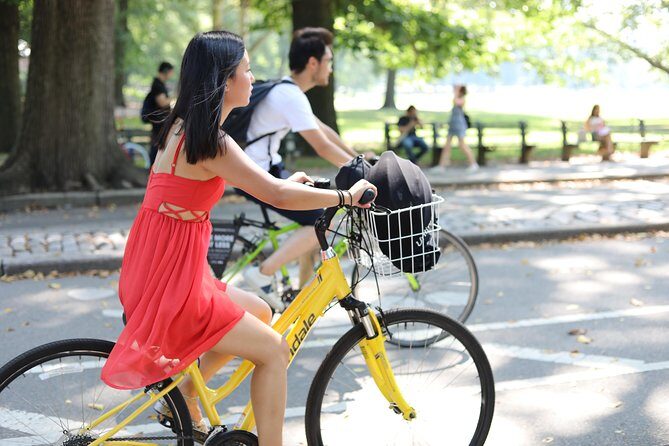
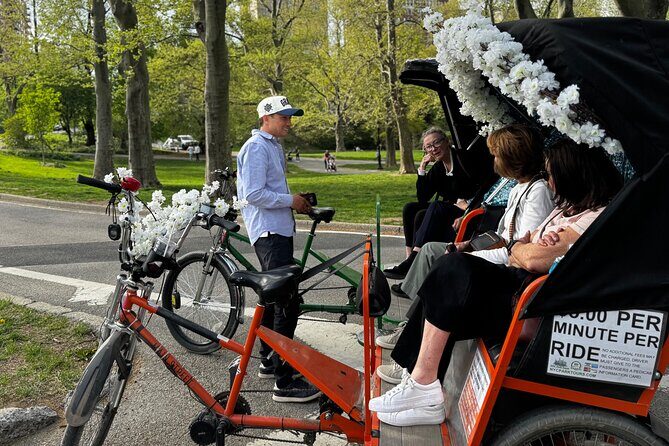
Central Park is big enough that “just see the highlights” can turn into an exhausting walk. On this private pedicab, you get an easy way to hit the must-sees while keeping your legs free for the parts you actually want to explore on foot—like bridges, terraces, and the spots where the skyline view matters.
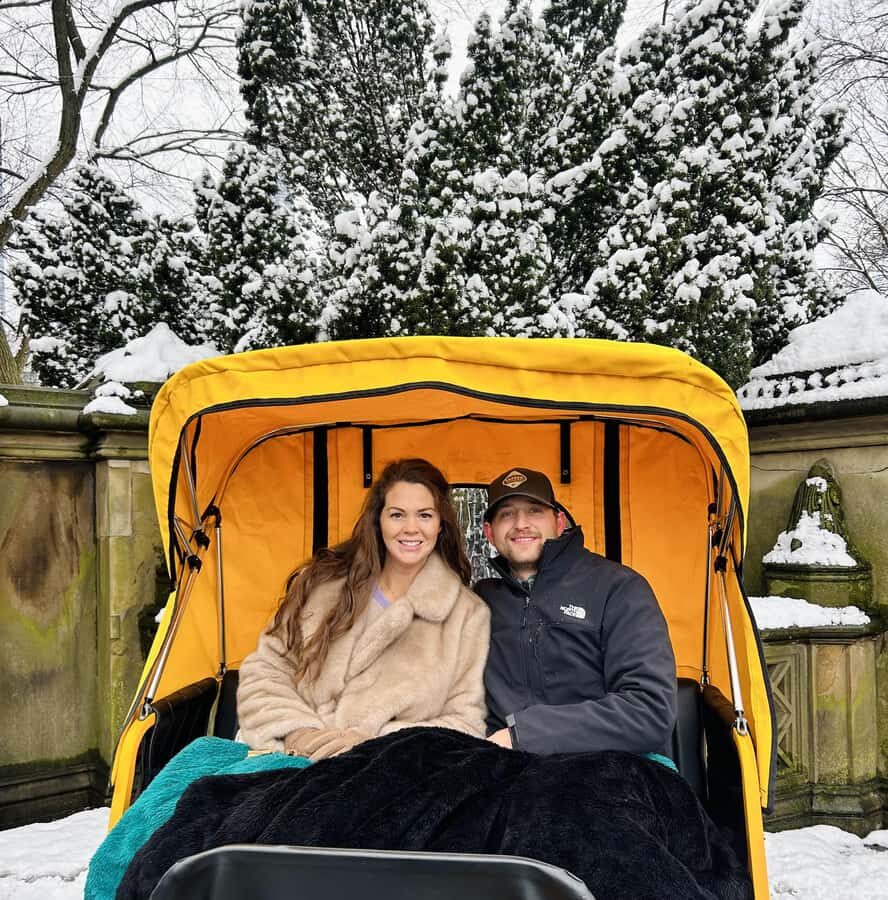
I like that the comfort isn’t an afterthought. You’ll have shade in warmer months and blankets in winter, which makes the ride feel genuinely usable year-round instead of just surviving it.
And because it’s private, the guide can pace your group. If you want a quick photo and move on, that’s doable. If someone needs an extra minute to take it all in, it’s handled without rushing you into the next thing.
Other Central Park photography tours and sessions



Meeting point and how the ride feels with Ricky
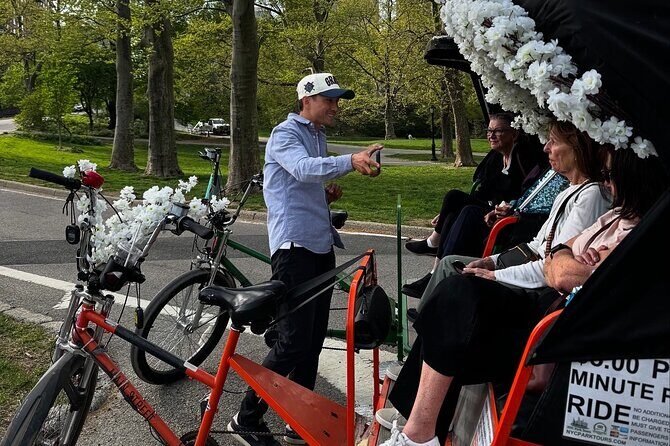
You meet at 1415 6th Ave, New York, NY 10019. The tour ends back at the meeting point, so you’re not left figuring out transit after your park time.
The big difference is Ricky’s approach. In the reviews, people mention he’s organized with great timing, keeps things comfortable, and shares stories that make Central Park feel personal—not like a textbook tour. One reviewer also noted the ride included clips from movies, news stories, and biographies, which is a clever way to connect a place to the pop-culture moments you already know.
Also, you’ll get photo assistance. That matters in Central Park because the “perfect angle” is often one or two steps in the right direction.
Central Park in one sweep: the core sights you’ll recognize
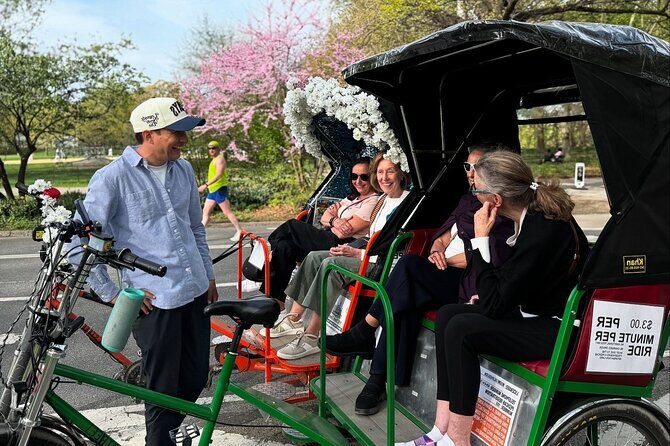
This is built around a Central Park loop that typically centers on the park’s headline attractions—meaning you’re likely to see famous names like Bethesda Fountain, Strawberry Fields, The Mall, and Bow Bridge during the ride.
The exact mix depends on your time slot, since the tour ranges from 1 to 3 hours. If you book the longer option, you’ll get access to additional landmarks further uptown and closer to the Upper East Side edge of the park.
Either way, the value comes from the combo: iconic scenery + context + efficient movement.
Bethesda Fountain and Bethesda Terrace: the architecture lovers’ stop
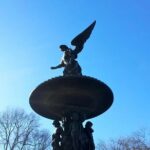
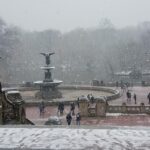
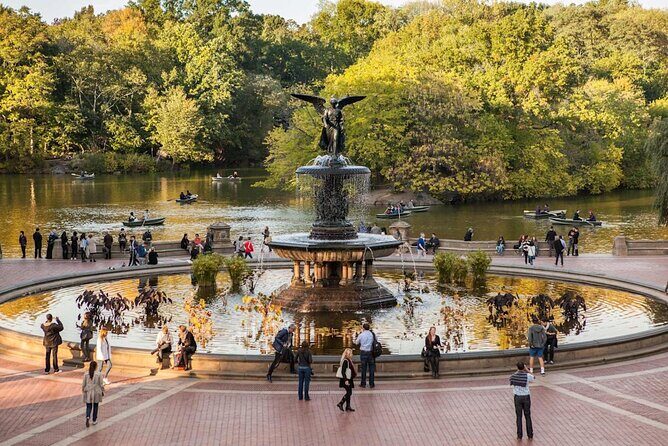
Bethesda Fountain is one of those places where the detail makes the photo better. At the center is The Angel of the Waters, designed by Emma Stebbins and unveiled in the early 1870s. The angel’s symbolism ties to the biblical story of healing in the Pool of Bethesda, and the design also features cherubs representing health, purity, temperance, and peace.
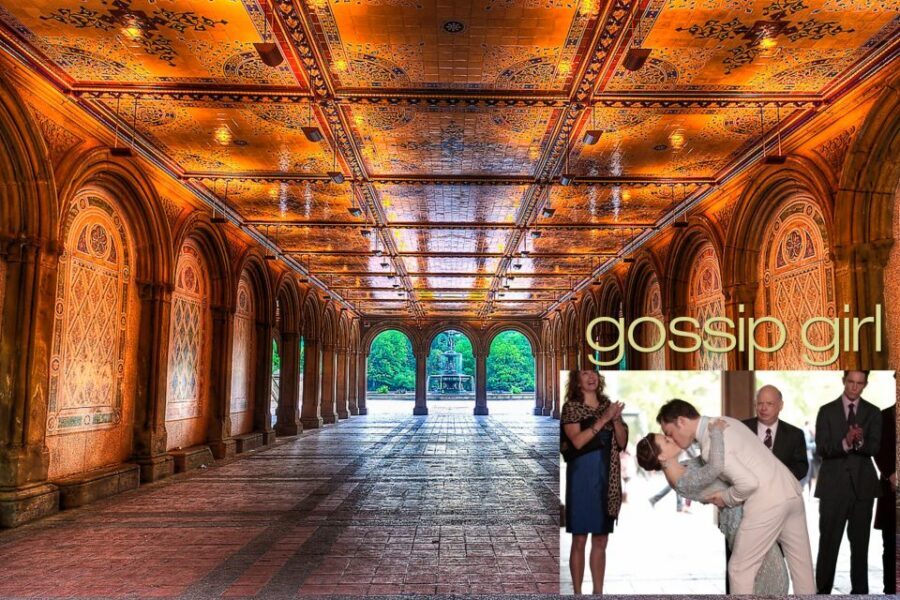
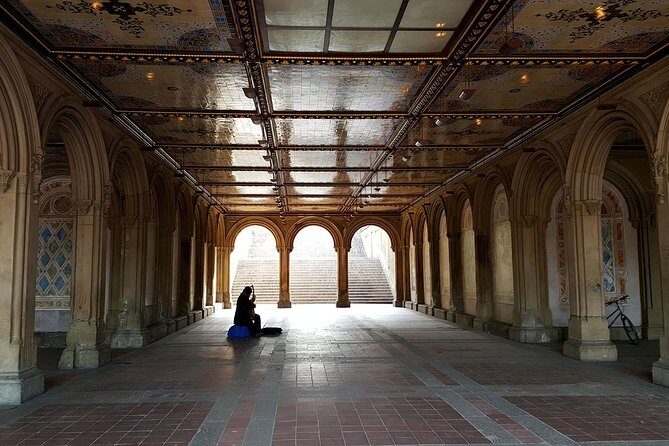
Then you get the view from the terrace level. Bethesda Terrace overlooks Bethesda Fountain and the Lake, and the arcade ceiling is where the stop gets extra interesting. Those Minton encaustic tiles—handcrafted and installed in the 1860s—were costly to restore at one point, replaced by a mural temporarily, then later restored with major funding. Today, it’s back with thousands of tiles, making it a standout for anyone who enjoys craftsmanship.
If you’re trying to decide where to spend your best photo minutes, this is it. The architecture gives you something to frame besides just greenery.
The Mall and Strawberry Fields: a straight line and a peace message
If you’ve ever wondered where Central Park hides a sense of formality, The Mall answers that. The path called The Mall (also known as Literary Walk) was designed as a grand promenade under towering elms, and it’s the park’s only intentionally straight line. Along the way, you’ll see writer statues tied to the idea of public reading and reflection.
Then the mood shifts for Strawberry Fields, a memorial to John Lennon. It’s built as a living tribute with the Imagine mosaic at its center, and it’s a calm place for paying respects—often with music and small performances from visitors. The setting is peaceful, but the meaning is big, which is why this is such a common film and photo backdrop.
Ricky’s stories help here. When you understand why these places exist, it changes how they feel when you’re standing there.
A few more New York City tours and Central Park experiences worth a look



Bow Bridge, Gapstow Bridge, and the pond views you can’t fake
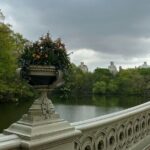
Bridges are Central Park’s secret weapon for photos. Bow Bridge is an elegant cast-iron curve designed by Calvert Vaux and Jacob Wrey Mould and completed in the 1860s. It’s been restored over time, and even with brief closures for renovation, it remains a go-to romantic landmark with a skyline-and-water view that looks great in every season.
You also hit Gapstow Bridge, one of the most photographed bridges in the park. It overlooks The Pond and the Midtown skyline, and it’s famous for the ivy-covered stone arches and the tranquil wildlife energy around the water. Even the story of why the bridge changed—from earlier materials to the current stone version—adds weight to what you’re seeing.
If you want your photos to look like Central Park postcards, start here. These spots give you that “city framed by nature” look without needing a long hike.
The Pond and The Lake: small water moments that make the park feel bigger
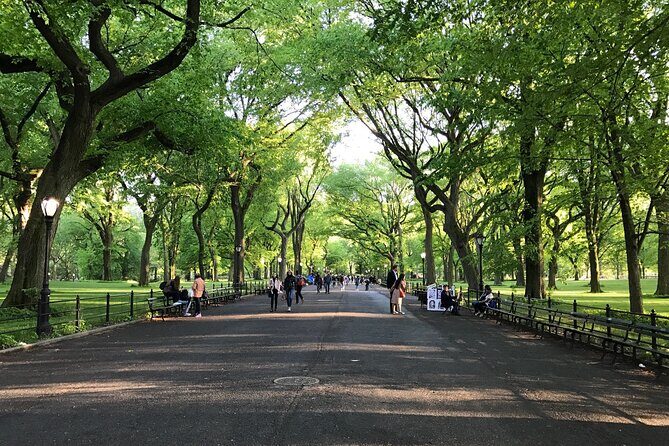
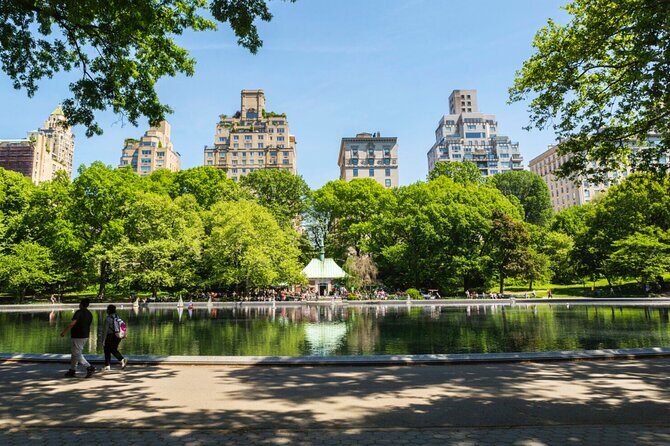
The Pond is a serene 3.8-acre water area landscaped as part of the park’s original 1858 design. It’s the kind of place where the details—winding paths, rock features, and shifting tree scenery—matter more than any single landmark. It also has a famous film connection tied to a scene from Home Alone 2, which makes the spot feel familiar even if it’s your first time.
Then you move to The Lake, a bigger 20-acre body of water that links key park areas and creates that classic Central Park “heart” feeling. It’s ideal for slow strolling along the shoreline, and it’s also where you can enjoy rowboats through nearby rentals.
If you’re traveling with kids or anyone who gets tired fast, these water areas are ideal breaks. The scenery does a lot of the work for you.
Chess tables, carousels, and the Dairy House for a family-friendly rhythm
This tour isn’t only statues and skylines. It also includes stops that feel like Central Park belongs to everyday New Yorkers.
The Central Park Carousel history alone is worth pausing for. The carousel’s current version dates to 1951 as the fourth major iteration, and the earlier hand-carved tradition is tied to classic carousel maker work featuring dozens of intricately painted horses. It’s one of those stops where kids and adults both relax because it’s pure, simple fun.
You’ll also find the Chess & Checkers House, an octagonal brick structure built in 1952 with tables for games under shaded trellises. It’s known in pop culture too, appearing in Searching for Bobby Fischer, which adds a layer for anyone who loves film history.
And don’t skip the Dairy House. Built in 1870 with Gothic cottage-style charm, it originally served as a family refreshment spot. After restoration in the 1980s, it became a visitor center, so it’s both pretty and practical—good for maps and park info if you want to keep exploring after the ride.
Wollman Rink, rumble of the concert grounds, and a zoo in the middle of the city
If you’re visiting in winter, Wollman Rink is one of Central Park’s standout experiences. It opened in the early 1950s and became iconic fast, with the skyline and public skating vibe. It also went through a period of decline before renovation reopened it, bringing back its role as a winter hub.
Then there’s Rumsey Playfield, tied to Central Park’s SummerStage. The site evolved from a Calvert Vaux restaurant idea (the “Casino” name) to later entertainment use, then eventually got reshaped into a sports field. Today, it’s connected to outdoor performances, which is a nice reminder that this park is alive in different ways across the year.
You’ll also see the Central Park Zoo, which traces back to a small menagerie starting in 1864. It became the city’s first official zoo in 1934, and later shifted from traditional cage setups toward more natural habitat-style exhibits. Even if you’re not doing a full zoo visit, it’s a memorable Central Park stop with a conservation-minded angle.
Statues and story stops: Balto, Falconer, Daniel Webster, and more
Central Park is packed with monuments, but a good tour makes them feel like more than background art. Balto commemorates the sled dog who led the final leg of the 1925 Serum Run to Nome, a story tied to a life-saving mission through extreme winter conditions.
The Falconer is another striking figure, donated in the 1800s and sculpted by an English artist based on a theme the donor encountered in Europe. It captures that human-and-nature partnership in a dramatic pose, and it’s a solid “pause and photograph” moment.
Then there’s the Daniel Webster Monument, unveiled in the 1870s, dedicated to a statesman known for constitutional-era speeches. It’s the kind of stop that works even for people who usually skip history, because the story is easy to grasp when the guide puts it into plain words.
Conservatory Water and Pinebank Arch: calm corners with film flair
Two spots that often surprise people are Conservatory Water and Pinebank Arch.
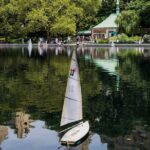
Conservatory Water is known for model boat sailing and a quiet setting under cherry trees, plus benches and statues of literary characters like Alice in Wonderland and Hans Christian Andersen. It’s also tied to Stuart Little, where a model boat race scene made the place feel cinematic.
Pinebank Arch is a cast-iron bridge designed to blend into the rocky surroundings. It’s famous for its lacy ironwork look and a view that’s great for lingering. And yes, it’s connected to the holiday movie Elf, which gives you an extra moment of recognition when you see the shape in real life.
Sheep Meadow, The Dakota, and Tavern on the Green: where Central Park meets pop culture
Sheep Meadow is the wide-open green that people picture when they think of Central Park downtime. It’s a 15-acre lawn that used to be grazing land for sheep and now works for picnics, reading, and just letting the skyline sit in the background.
Nearby, you’ll get a look at The Dakota, one of New York’s most famous residential buildings at Central Park West and 72nd Street. It’s known for Renaissance Revival style, and the story is tied to John Lennon’s life and the aftermath of his death. It’s also a movie location, with a classic like Rosemary’s Baby part of the building’s famous media footprint.
Finally, there’s the story of Tavern on the Green. The building began as a sheepfold structure and later became a full-on restaurant, went through closure and repurposing, then reopened after renovations. Even if you don’t stop for food, this is one of those Central Park corners where the building history adds texture.
Alice in Wonderland statue and Heckscher Playground: play that feels built for imagination
If you’re on the longer timing, you’ll see the Alice in Wonderland statue, donated in the late 1950s. It was intended as a gift to children and includes familiar characters like the Mad Hatter, Cheshire Cat, and White Rabbit around Alice on a mushroom.
What makes this stop fun is its interactive design—kids can climb and touch, so it becomes a quick “get the energy out” moment in the middle of sightseeing.
You may also pass Heckscher Playground, opened in 1926 and described as the oldest and largest of Central Park’s 22 playgrounds. It’s a reminder that Central Park isn’t just for sightseeing; it’s for daily life.
Upper Park add-ons: Cleopatra’s Needle, The Met, the Reservoir, and Belvedere Castle
Some of the biggest “wow” landmarks land on the longer version of the tour. Included in the 2-hour option, you’ll get access to Cleopatra’s Needle, the oldest outdoor monument in New York City. It dates back more than 3,500 years and was gifted to the United States, then dedicated in Central Park in 1881.
Also included is The Metropolitan Museum of Art (The Met), founded in 1870. The original museum building opened along the park’s eastern edge in 1880, and the museum’s expansions over time are part of why it’s such a major cultural anchor beside Central Park.
Then you’ll see Jacqueline Kennedy Onassis Reservoir, built in the early 1860s with an irregular curving footprint designed to fit the park. It’s a huge water storage feature and, at the time, it was described as the world’s largest man-made water body.
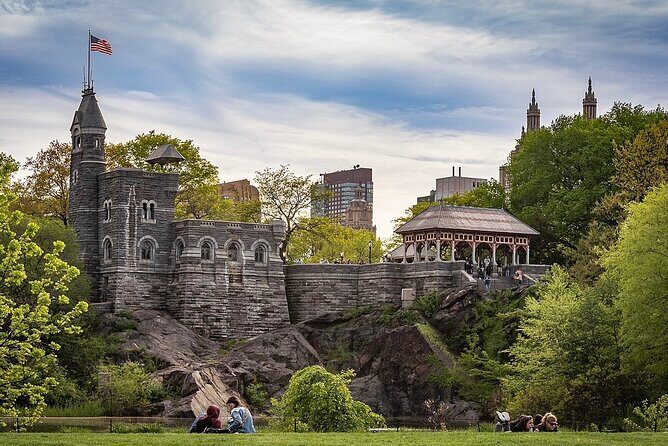
And if the route includes it, Belvedere Castle gives you the classic “castle on a rock” feeling. Named for its beautiful view purpose, it has exhibit rooms and an observation deck, plus a practical angle—it has served as Central Park’s weather station since 1919.
Price and timing: is $39.20 worth it?
At $39.20 per person, the big value isn’t that Central Park is expensive—it’s that this format reduces wasted time. You’re paying for speed, comfort, and a guide who helps you hit the right photo moments without turning the trip into a hike.
The private element matters too. If you’ve ever tried to wrangle a group in a large tour, you know how often “seeing” becomes waiting. Here, it’s your group’s tempo, with Ricky pacing the stops and photo opportunities.
Timing-wise, plan around the idea that it’s 1 to 3 hours. If you only have a short window, choose the earliest slot and expect the experience to focus on the most iconic Central Park sequence. If you have more time, the longer option is the easiest way to add the museum-and-monument stops without stress.
Should you book this Central Park First Class tour?
Yes—if you want a high-impact Central Park experience with private transport, strong storytelling, and photo help. This is especially worth booking if you’re visiting for the first time and want to make sure you don’t miss Bethesda Terrace, Bow Bridge, Strawberry Fields, and the other famous anchors.
I’d pass on it only if you’re the type who prefers hours of wandering with no guidance at all. If that’s you, you might still enjoy the park on your own—but you’ll lose the ride’s built-in efficiency and the context that turns each stop into something you actually remember.
Overall, this one works because it balances comfort, pacing, and meaning. With Ricky at the controls, Central Park stops feeling random and starts feeling like a map you can use.
FAQ
How long is the Central Park First Class tour?
The tour runs about 1 to 3 hours, depending on the option you select.
What does the tour cost?
It’s priced at $39.20 per person.
Is this a private tour for just my group?
Yes. It’s listed as a private activity for your group only.
What’s the meeting point?
The tour starts at 1415 6th Ave, New York, NY 10019, USA, and it ends back at the same meeting point.
Is the tour in English?
Yes, it’s offered in English.
What’s included and what’s not?
Included: a private pedicab experience, a local host/guide, scenic stops, seasonal comforts (shade/blankets), and photo assistance. Not included: tipping (optional).
What if weather is bad?
The experience requires good weather. If it’s canceled due to poor weather, you’ll be offered a different date or a full refund.