REVIEW · NEW YORK CITY
Official Central Park Pedicab Tours
Book on Viator →Operated by Central Park Ride · Bookable on Viator
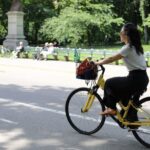
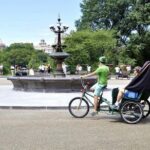
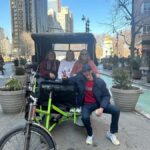
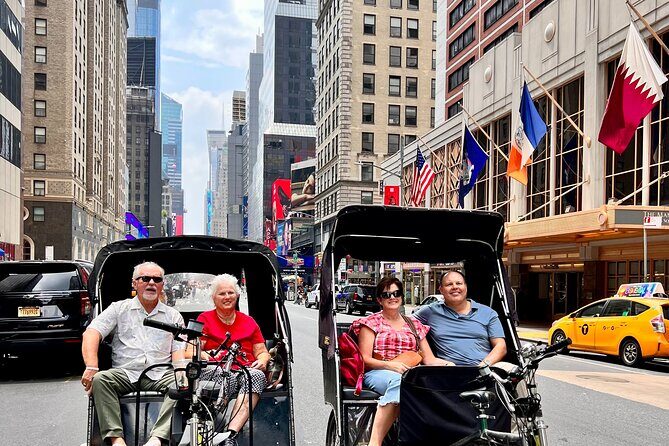
Pedicab tours turn Central Park into a set tour. I love the private pace and the way the story travels through film locations like Home Alone 2 and Sex in the City. I also like the practical photo rhythm: quick pull-ins, clear sightlines, and time to get shots at the key landmarks. One thing to consider: if the day is windy or crowded, you might have to adjust where you sit to hear the guide well.
This is the kind of tour where the guide really matters, and the names that come up again and again are Jon, Tim, Dill, Siheed, and others—people praised for smooth pacing, good humor, and handling ticketing with courtesy. I found that vibe to match the experience goal: fun first, then facts that make the park feel less like a blur and more like a map you can remember.
If you’re choosing between lengths, think about how much you want to linger. The route is built for a fast “see a lot” feel in about 1 to 2.5 hours, with Deluxe and VIP options stretching to extra icons outside the park.
In This Review
- Key things that make this pedicab tour worth your time
- Private pedicab pacing in Central Park (and why it feels easier)
- Choosing Classic vs Deluxe vs VIP: how long really changes the day
- The route through the park: carousel, rink, and the movie-scene sweep
- Wollman Rink and the big-photo pull-ins: getting your pictures without rushing
- Bethesda Fountain and Bethesda Terrace: the park’s showpiece moment
- Cherry Hill, Bow Bridge, and the film-friendly postcard loop
- Strawberry Fields, the Upper West Side landmarks, and park-life details
- Deluxe add-ons: Alice in Wonderland, JFK reservoir views, and Belvedere Castle
- VIP upgrade: Times Square and Rockefeller Center in the same day
- Your guide: what makes the difference (and how to get better audio)
- Price and value: what you are really getting with a private pedicab
- Practical tips before you ride (so the day stays pleasant)
- Should you book Official Central Park Pedicab Tours?
- FAQ
- How long is the pedicab tour?
- Where does the tour start and end?
- Is the tour private?
- What language is the tour offered in?
- What’s included in the tour?
- Are tips required?
- What happens if the weather is bad?
Key things that make this pedicab tour worth your time
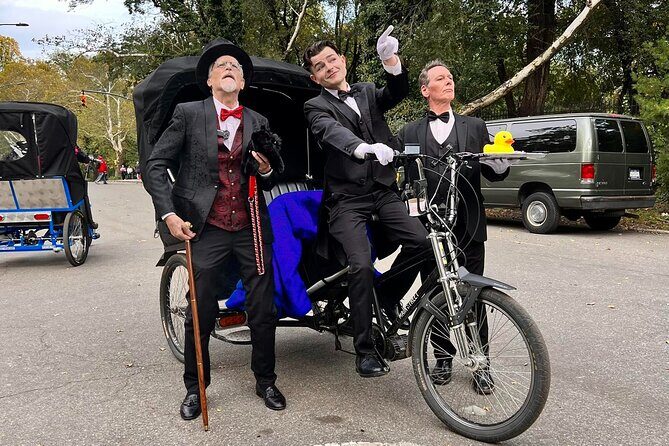
- Private tour, your group only: You avoid the stop-start feeling of bigger shared tours.
- Movie-location storytelling: Expect stop-linked references from Home Alone 2, Madagascar, Spider-Man, and more.
- Photo-first stops: The tour is designed for taking pictures, not just riding past them.
- Good variety of landmarks: From Bethesda to Bow Bridge to Strawberry Fields, you get a balanced sampler.
- Upgrades that add big-city landmarks: Deluxe/VIP can carry the experience to places like Times Square and Rockefeller Center.
- Experienced guides you can talk with: Reviews highlight guides who adapt, listen, and keep things moving.
Private pedicab pacing in Central Park (and why it feels easier)
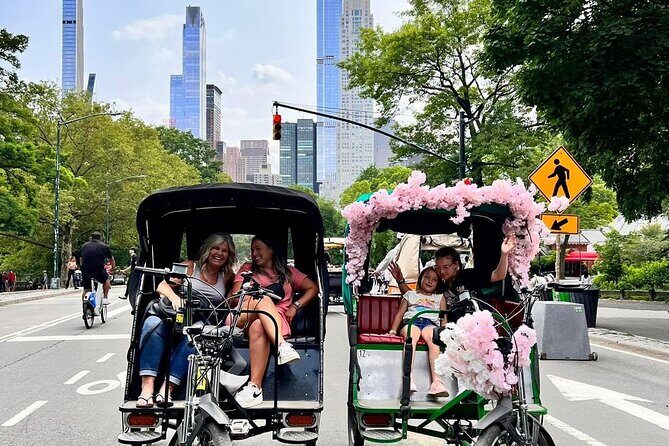
Central Park is big. On foot, you can spend half your time walking between “must-see” spots. On a pedicab, you get a calmer rhythm. You’re still outside, still seeing the park, but you’re not burning your energy on constant uphill detours, traffic signals, or dead ends.
This tour is built for comfort and attention. You’re in a private setting, which matters when you want the guide to slow down at the exact angle you want for a photo—or when you simply want fewer interruptions. The photo-friendly design shows up in the way stops are timed: short breaks for sightseeing, with some flexibility for extra time when conditions call for it (like a brisk day when a blanket can help).
If you want a “first trip to Central Park” experience that also feels personal, this one fits. And if you’ve visited before, the film-location angle gives you fresh reasons to stop at familiar places.
Other pedicab tours we've reviewed in Central Park & NYC

Choosing Classic vs Deluxe vs VIP: how long really changes the day
You’ll pick a duration between about 45 minutes and 150 minutes, and the upgrade level changes where the ride goes.
- Classic tends to keep you focused on Central Park’s headline moments.
- Deluxe adds extra stops tied to famous park features (including Alice in Wonderland references and the Jacqueline Kennedy Onassis Reservoir area, plus Belvedere Castle).
- VIP goes a step further by adding sights beyond the park, including Times Square and Rockefeller Center.
Here’s the practical way to decide. If it’s your first time in New York or your group moves at different speeds, I’d lean Classic or Deluxe so you still cover a lot without turning the day into a sprint. If your group wants both the park and a fast taste of midtown energy, then go VIP—but do it when you’re okay with transitioning from park calm to busy city spectacle.
The route through the park: carousel, rink, and the movie-scene sweep
The tour starts at 6697 Central Park S and then works through a stack of signature spots. Even when the stops are brief, the sequence is smart: it moves you through the park’s most recognizable edges and anchors.
Early on, you’ll hit the Oldest Carousel in the City. It’s a fun stop because it feels timeless—something you can photograph from multiple angles, and it’s memorable even if you never rode it as a kid.
Next, the route taps Wollman Rink, with movie tie-ins like Home Alone 2 and Limitless. Even if you’re not thinking about the films, this is a visual anchor: the rink area gives you a clear sense of how the park handles winter energy and big open views.
From there, you get a Central Park & 5th Avenue walking tour moment tied to the Home Alone 2 pigeon lady storyline. That mix of park + surrounding streets is useful because it gives context. Central Park isn’t an island; it’s part of the city’s layout, and that edge is where the story feels most real.
After that, the tour keeps stacking pop-culture moments: quick pull-ins tied to scenes from Home Alone 2 again, Madagascar, Togo (featuring the National Hero Siberian Husky Dog), Stuart Little, and Sex in the City. The stops are short, but the point isn’t deep immersion—it’s helping you recognize what you’re looking at and connect it to a scene.
Wollman Rink and the big-photo pull-ins: getting your pictures without rushing
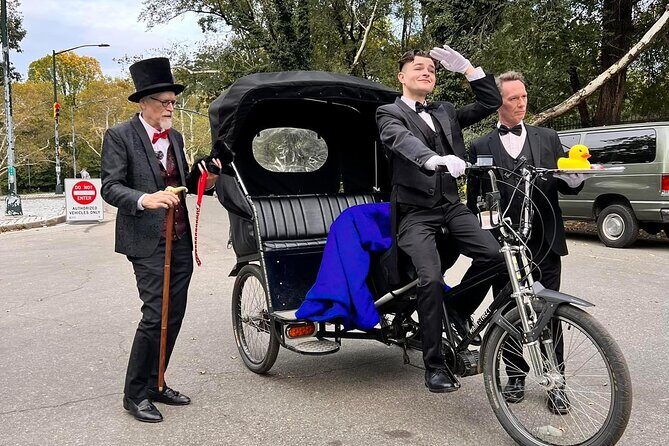
One of the most helpful parts of this tour is the pacing at places where you’d otherwise rush. Central Park can be gorgeous but crowded, and when you arrive at a landmark already behind schedule, you end up standing with your phone at arm’s length.
Here, the tour’s “ride, stop, photo, move” rhythm keeps things efficient. Wollman Rink is one of those stops where you can capture both wide views and tighter angles, depending on where you park the pedicab. The same idea shows up at the other quick hits later.
If it’s cold, you’re not just out there hoping for the best. One review highlighted that a provided blanket helped on a brisk day, which is exactly the kind of small practical touch that makes a tour feel thought-through.
Do one thing for yourself: decide in advance what you want from the photos. If you want character shots (you in front of a landmark), you’ll enjoy the frequent stop style. If you want lots of wide scenery shots, pick the longer duration so you don’t feel pressured to snap everything in one pass.
Bethesda Fountain and Bethesda Terrace: the park’s showpiece moment
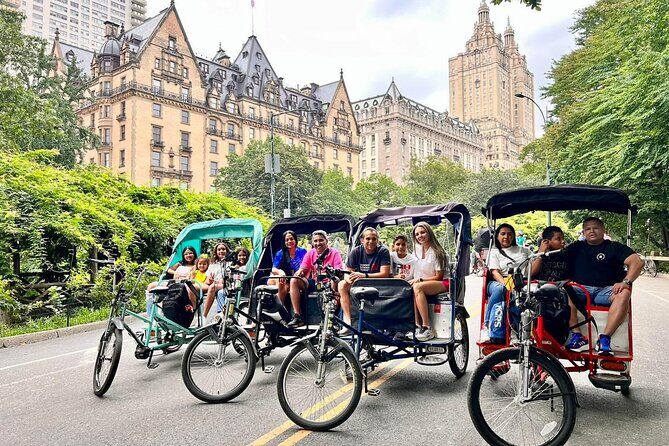
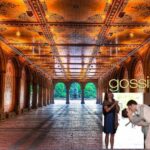
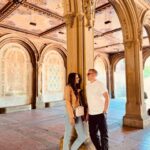
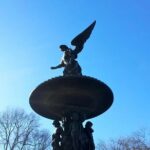
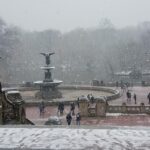
Bethesda is where Central Park turns from “nice stroll” into “wow, this is NYC at its most cinematic.” You’ll stop at Bethesda Fountain and then at Bethesda Terrace (including film connections like Gossip Girl, 27 Dresses, Avengers, and Made in Manhattan).
Why these stops matter, beyond the famous photos: they help you understand the park’s design. Bethesda Fountain acts like a focal point that pulls the eye and organizes the surrounding spaces. Bethesda Terrace then gives you a higher perspective and that classic grand-structure feel.
The tour includes time here for more than just passing glances. Even if the stop is framed as a short photo break, this is one area where it’s worth slowing down. Look around for how the water and stone create a natural backdrop. Then check the lighting: even a short stop can produce a better shot if you wait 30 seconds for the angle to work.
Potential drawback to keep in mind: because the park is popular, you may share the area with other photo-seekers. That’s not a reason to skip it—it’s just why longer tour options can feel less stressful.

Cherry Hill, Bow Bridge, and the film-friendly postcard loop
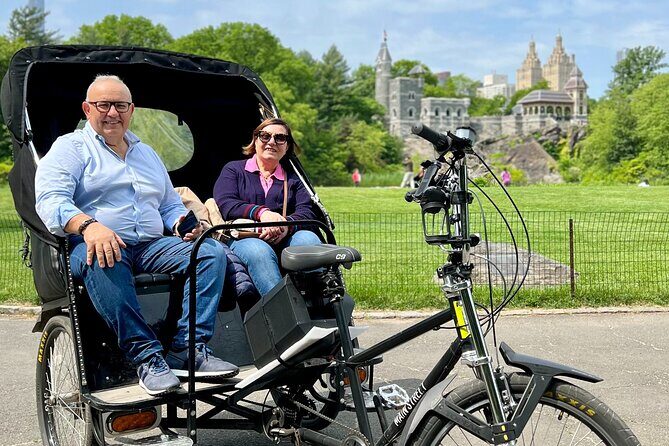
After Bethesda, the tour leans into the places that look like movie magic. You’ll reach Cherry Hill (tied to Friends) and then Bow Bridge (linked with Spider-Man).
These stops are postcard magnets for a reason: they offer that “classic Central Park” look instantly. Cherry Hill gives you a calmer, pastoral feel, while Bow Bridge gives you the kind of scene framing that makes photos feel cinematic without needing filters.
The best part is that the tour doesn’t force you into a one-size-fits-all moment. Even with time limits, you get a chance to take a few angles. And if you’re traveling with people who want different styles of photos—wide views for you, close-ups for them—that flexibility helps.
There’s also a benefit to the movie references here: they give you an extra layer of attention. Instead of wandering through a beautiful space and forgetting what you saw, the film tie-ins act like mental bookmarks. You come away remembering why each view stood out.
Strawberry Fields, the Upper West Side landmarks, and park-life details
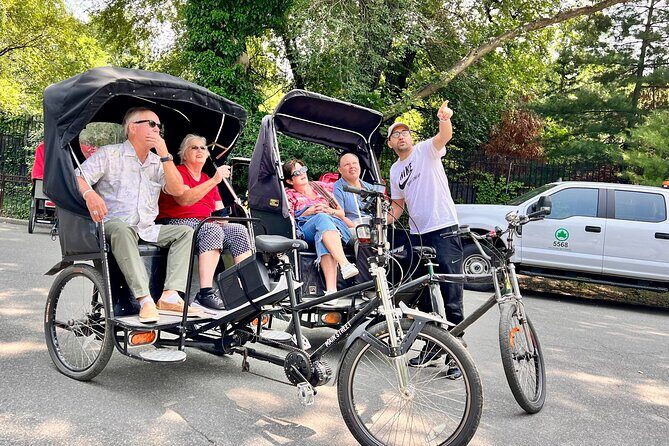
The tour continues into some of the most emotionally resonant spots in Central Park. Strawberry Fields and the Strawberry Fields Memorial are next, and it’s a meaningful place to pause—even if you’re not going deep on the backstory. A short stop here still works because the memorial’s presence is hard to ignore.
Then you shift into a more “park-as-city-infrastructure” side. You’ll pass notes connected to an 1884 first building on the Upper West Side, and an oldest restaurant from 1938. The tour also includes stops at a picnic area and a baseball field, so you see that Central Park isn’t only for viewing—it’s for using.
If you enjoy seeing how real locals treat a place, these moments help. They break the park out of “just scenery” mode.
There’s also a movie reference stop around Elf (snow ball), which fits the way Central Park shows up in holiday and pop culture. It’s a fun pivot point that keeps the tour from feeling too solemn right after Strawberry Fields.
Deluxe add-ons: Alice in Wonderland, JFK reservoir views, and Belvedere Castle
If you choose Deluxe, you’ll get extra landmark stops that many people plan for separately when visiting Central Park. The first is the Alice in Wonderland statue area, which gives you a clear, recognizable character stop. It’s the kind of place that photographs well and feels playful.
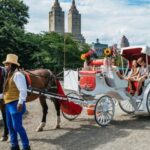
Next is the Jacqueline Kennedy Onassis Reservoir, and then Belvedere Castle. These are different vibes than the memorial or the bridges. They’re more expansive and architectural, and they help you see how Central Park handles both water features and historic-looking structures.
Why this matters: Deluxe turns your day from a highlights loop into a fuller sense of the park’s geography. You’re not just ticking off names—you’re getting a more complete picture of how the park changes as you move through it.
One practical note: if you’re short on time, Deluxe is often the sweet spot. It adds key stops without dragging your day into a full afternoon slog.
VIP upgrade: Times Square and Rockefeller Center in the same day
The VIP option pushes beyond Central Park into midtown. You’ll add Times Square and then Rockefeller Center (with stops noted for Deluxe and VIP combinations as well).
This is great if you like the idea of “NYC contrasts.” One moment you’re in park greenery and landmark stonework; the next you’re in one of the world’s busiest visual corridors. For many people, it’s a simple way to avoid the “we came all this way and didn’t get to midtown” regret.
The only caution is about energy and timing. Times Square and Rockefeller Center can be intense. If your group is already feeling tired, consider Classic or Deluxe instead, and save midtown for a separate walk when you can move slower.
Your guide: what makes the difference (and how to get better audio)
The biggest theme in the feedback is not the route—it’s the people driving it. Guides like Jon, Tim, Dill, and Siheed are repeatedly praised for being friendly, prompt, and great at keeping the ride fun while still sharing details that help you understand what you’re seeing.
One practical warning comes from a less-perfect experience: audio can be tough. On some days, the guide information didn’t come through clearly. If you run into that situation, do what you’d do with any live narration—adjust your position so your seat faces the guide more directly, and ask a question early before you lose the thread.
Also, use your moments. If you’re the type who asks a quick question—about the film locations, about the park’s design, about why a landmark is placed there—you’ll get more out of the ride. This isn’t a silent scenic cruise. It’s built for conversation.
Price and value: what you are really getting with a private pedicab
Even without seeing exact pricing here, you can still judge value using what’s included.
What you pay for:
- A private experience for just your group
- A professional guide
- Taking photos as part of the tour style
- A ride that covers multiple major park areas faster than walking
What also helps value:
- Several stops list admission ticket free for that point of the experience, which can reduce surprise costs during the day.
- Choosing the right duration matters. A 45-minute option can be great for a quick highlights hit. But if you want the emotional pause at Strawberry Fields plus the extra Deluxe landmarks, you’ll usually get a better sense of the park with the longer time slots.
Where you can lose value:
- If you pick the shortest length and then expect every named landmark, you’ll feel rushed. The better move is to match the duration to your priorities—photos, film locations, architecture, or memorials.
Practical tips before you ride (so the day stays pleasant)
Central Park in every season can swing from comfortable to chilly fast. I’d plan for that mindset.
Bring what you’d use for an outdoor walk: layers, water, and shoes you can stand in. If it’s cold, you may get help from a provided blanket—so dress like you’re riding, not like you’re just sitting still.
For photos, think about timing:
- For bridges and fountain areas, a few minutes of angle changes can improve shots a lot.
- For memorials, keep it respectful and don’t treat the stop like a rapid-fire photo booth.
- If the guide points out movie-location context, pause and look at the view first. Then take your picture—your photo will look more intentional.
Finally, if your group has different comfort levels, the private setup helps. You can let the guide know what matters most to each person before you start.
Should you book Official Central Park Pedicab Tours?
Book it if you want an easy, fun way to see Central Park’s key landmarks plus movie-linked photo moments, without planning a route on your phone. The private setup is a real quality-of-life upgrade, and the best guides (like Jon, Tim, Dill, and Siheed) make the narration feel natural, not scripted.
Skip or reconsider if your group hates short stops or you’re very sensitive to audio in windy/crowded settings. If you know you’ll have trouble hearing a guide, do your best to sit where you can clearly face the driver and talk with them early.
FAQ
How long is the pedicab tour?
The tour is approximately 1 hour to 2 hours 30 minutes, depending on the option you choose.
Where does the tour start and end?
It starts at 6697 Central Park S, New York, NY 10019, USA, and it ends back at the meeting point.
Is the tour private?
Yes. It’s a private tour/activity, so only your group participates.
What language is the tour offered in?
The tour is offered in English.
What’s included in the tour?
Included items are taking photos and a pedicab tour of Central Park with professional guides.
Are tips required?
Gratuities or tips are not included. Tipping is optional.
What happens if the weather is bad?
The experience requires good weather. If it’s canceled due to poor weather, you’ll be offered a different date or a full refund.