REVIEW · NEW YORK CITY
NYC: Central Park Zoo Entry Ticket & Manhattan Walking Tour
Book on GetYourGuide →Operated by Top Sights Tours LLC, · Bookable on GetYourGuide
Wall Street meets Central Park Zoo. This 5-hour combo mixes a guided run of classic Manhattan sights with Central Park Zoo tickets right afterward. I like that you get a guided look at landmarks without it turning into a frantic sprint.
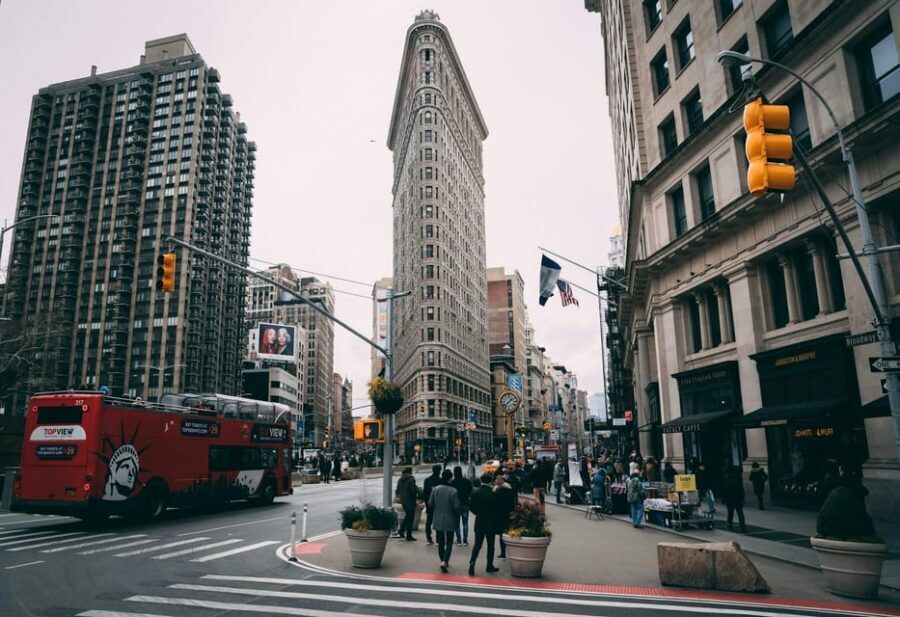
You’ll also pass through the places where the city’s food culture really shows up, especially around Chinatown and Little Italy. The walk finishes near the Flatiron Building, so you can keep exploring on your own once the guide lets you go.
One watch-out: the pacing is mostly walking, and you’ll want to plan for bathroom timing and water stops so you don’t feel rushed.
In This Review
- Key things to know before you go
- Wall Street, Federal Hall, and the New York Stock Exchange stops
- 9/11 Memorial Pools, City Hall, and the “old New York” court-area clues
- Five Points to Chinatown and Little Italy: stories you can smell
- Flatiron Building finish, then a quick shift into wildlife mode
- Central Park Zoo in 2 hours: snow leopards, sea lions, and the 130+ species pitch
- Price, included value, and the “who pays off most” math
- Getting there, timing, and what to pack for a smooth 5-hour day
- Should you book: a Wall Street-to-zoo day for the practical sightseer
- FAQ
- How long is the NYC Central Park Zoo Entry Ticket & Manhattan Walking Tour?
- What’s included in the price of $57 per person?
- Where do I meet the guide?
- Is the tour wheelchair accessible?
- Do I need to bring a MetroCard or contactless payment?
- Can I cancel for a refund?
- What should I bring, and what isn’t allowed?
Key things to know before you go
- Wall Street start at Federal Hall gives the tour instant historical context, not just a skyline photo-op
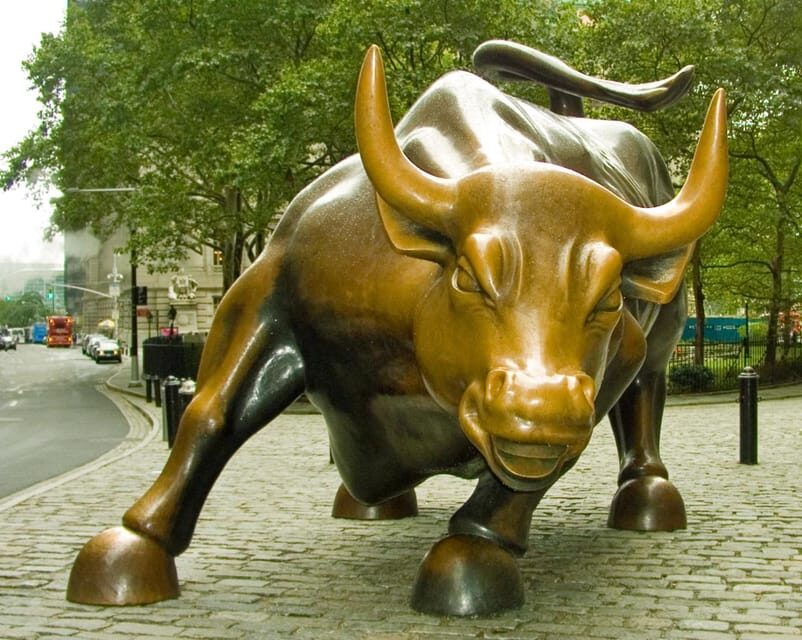
- New York Stock Exchange stops include iconic Charging Bull and Fearless Girl views
- Nine-stop neighborhood arc means you’ll hit Financial District, Five Points, Chinatown, and Little Italy
- Central Park Zoo is compact but packed with highlights like snow leopards and sea lions
- You may use public transport briefly, so have a MetroCard or contactless card handy
Wall Street, Federal Hall, and the New York Stock Exchange stops
You start at Federal Hall, outside the action near the George Washington statue. It’s a smart opening point because it immediately anchors the tour in Manhattan’s earliest story—government, money, and power—all in one small area. You’re not just looking at buildings. With a live English guide, you get the “why” behind the architecture and the street-level vibe, plus photo stops along the way.
From there, the route works like a visual timeline. You’ll spend about an hour in the Financial District, with walking and guided sightseeing that’s easy to follow. The tour is designed for people who want to see a lot without reading a textbook on the sidewalk.
Then you land at the New York Stock Exchange area. The classic photo cluster matters here: you’ll get to see the Charging Bull and Fearless Girl statues at the Exchange. Even if finance isn’t your thing, this stop is worth it because it’s become part of modern New York identity. It’s also the kind of landmark where your guide can explain what it represents and why it stays so visible.
Practical tip: this is the kind of area where you’ll be stopping for photos. Wear shoes you can stand in comfortably for repeated breaks, not just “walking shoes” that feel okay for 10 minutes.
Other walking tours we've reviewed in Central Park & NYC



9/11 Memorial Pools, City Hall, and the “old New York” court-area clues
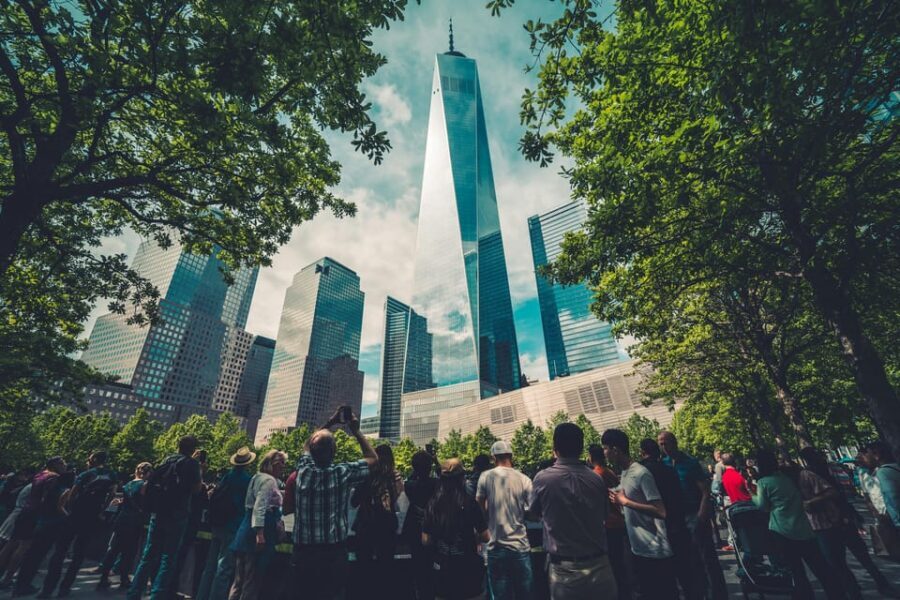
After the Financial District portion, the tour shifts into a more reflective zone. You’ll visit the 9/11 Memorial Pools area for a photo stop and guided sightseeing. The time block is shorter, about 30 minutes, but it’s framed as part of the city’s lived history, not just a quick check-the-box moment.
Next, you walk toward City Hall and the surrounding court-area view. This stretch is interesting because it links street geography to real stories—power, law, and how neighborhoods and institutions evolved. You’ll also get a glimpse of the Brooklyn Bridge along the way. If you’ve ever only seen the Bridge from afar, this is your chance to experience it from Manhattan’s side while you’re still in “tour mode.”
One detail I appreciate in this portion is the nod to organized crime history tied to court houses. The route is built so the city’s past isn’t abstract. You’re seeing landmarks in an order that helps the pieces click: money first, then aftermath, then the institutions that shaped public life.
Downside to consider: this part is still walking-heavy. If you’re prone to fatigue or you’re traveling with anyone who gets tired quickly, keep a steady pace and don’t wait until you’re desperate for a break.
Five Points to Chinatown and Little Italy: stories you can smell
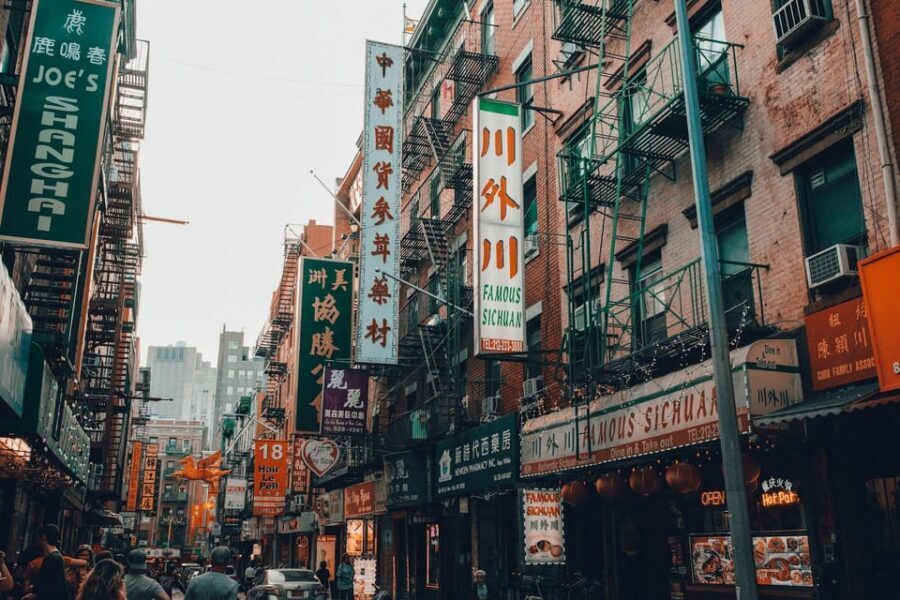
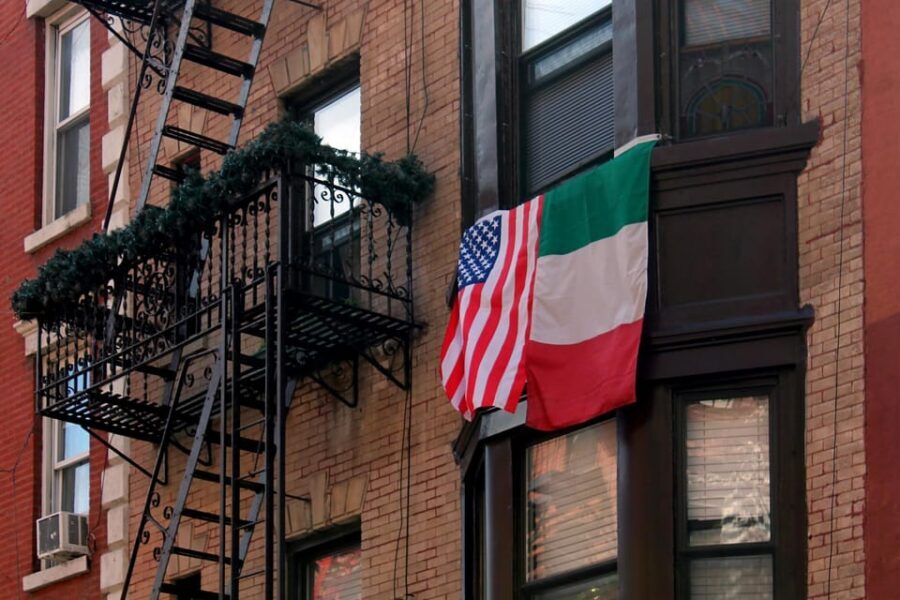
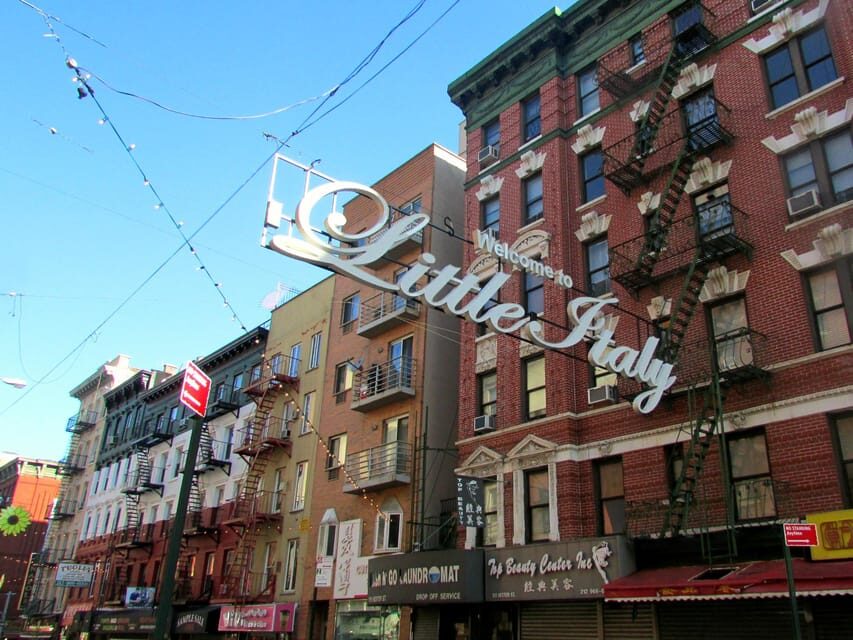
This is the section that often makes people remember the day. You’ll move through Five Points and then into Chinatown and Little Italy. The timing is built around short, efficient blocks—about an hour in Little Italy, and roughly 25 minutes in Chinatown—so you get both the feel of the neighborhoods and the key context from your guide without burning up your whole schedule.
You’ll learn about the culture and history of the people who live here, and you’ll also notice the sensory side of the route. The tour highlights that you’ll smell the aromas of diverse cuisines as you go. That might sound like marketing, but it’s also realistic. These neighborhoods don’t just look different; they smell different, and that matters when you’re trying to understand how people actually live.
A good guide can make these stops feel connected instead of like three separate photo stops. You’ll want your guide to point out what changed, what stayed, and how the streets reflect immigration and community identity over time. That’s where the walking format pays off: you can look up, look around, and keep moving.
One more thing: you may use public transport depending on your guide and group. That means you could have a quick subway hop between areas rather than doing every segment purely on foot. If you’d prefer to avoid transit entirely, plan for the possibility and keep your schedule flexible.
Flatiron Building finish, then a quick shift into wildlife mode

The walking tour winds down near the Flatiron Building in Midtown Manhattan. It’s a small but clever way to end: the Flatiron area is easy to navigate and has plenty of options for continuing your day. You’ll get one last short photo moment—about five minutes—before you say goodbye to your guide and transition to Central Park Zoo.
I like this handoff because it prevents a common problem with city tours: you finish the walk and then feel stuck wondering what to do next. Ending near Flatiron keeps your options open—coffee, snacks, shops, or just more wandering in Midtown before you head to the zoo.
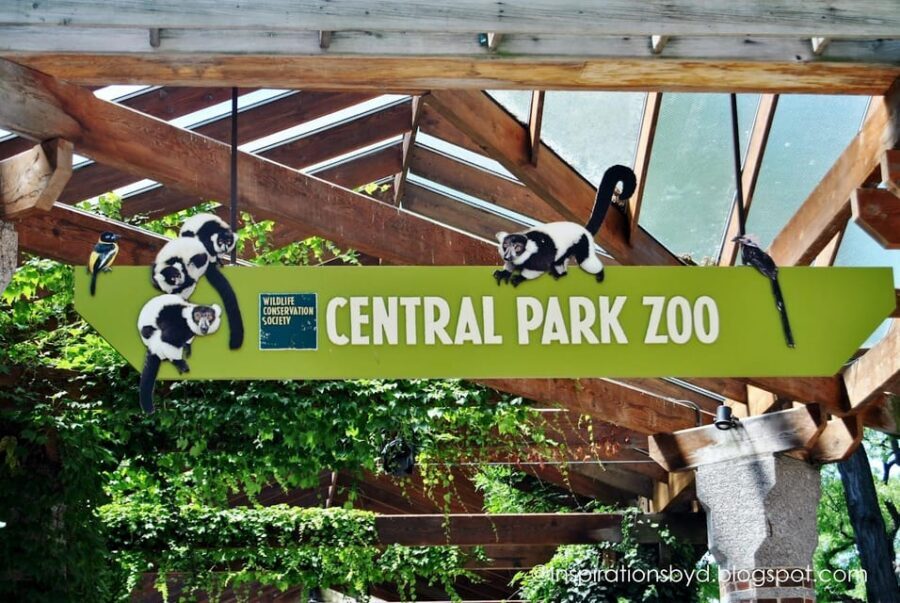
Then you switch gears. This second half is about wildlife in the middle of Manhattan. Central Park Zoo is spread over about 5 acres, with habitats designed so animals have space and visitors get good viewing. The tour plans about two hours at the zoo, which is just enough time to see major highlights and still feel relaxed.
If you’ve got kids (or you’re just young at heart), the zoo’s Children’s Zoo section is the type of place where you’ll want to slow down and actually look. You’re not racing through exhibits. You’re watching animals, reading signs as you go, and letting the city fall away for a bit.
Central Park Zoo in 2 hours: snow leopards, sea lions, and the 130+ species pitch
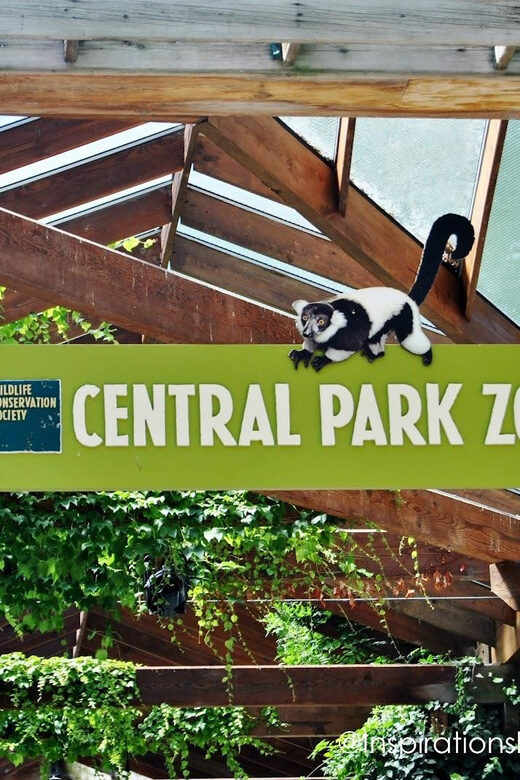
Central Park Zoo is small enough that you can cover a lot quickly, but it’s not a rushed feeling when you’re focused on the animals. With zoo tickets included, you’re not locked into a strict schedule inside the park. You get about two hours, which is a good match for a “highlight first, wander second” approach.
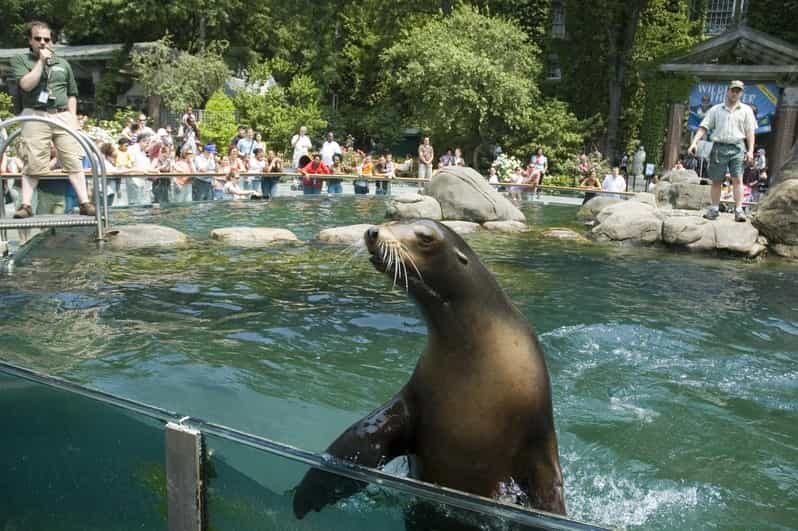
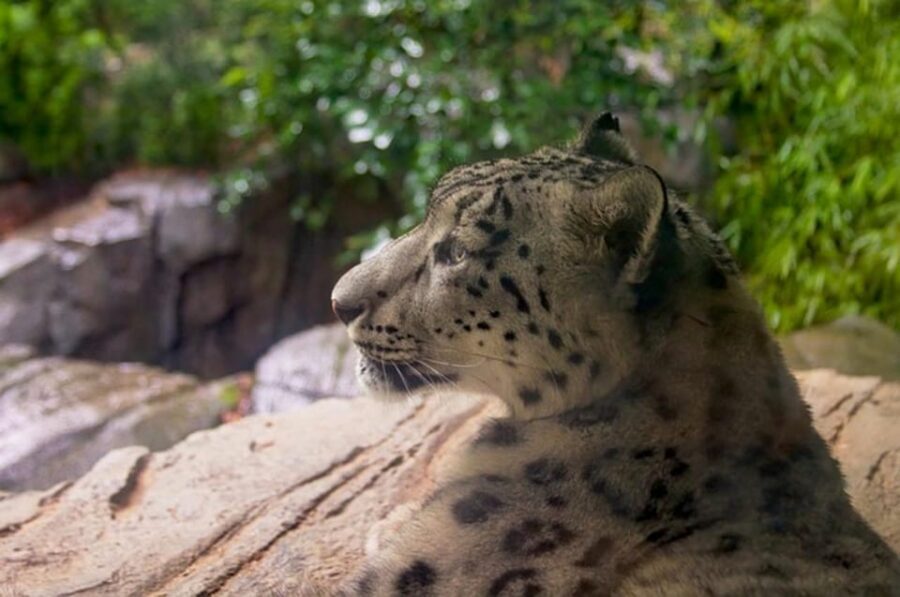
The tour points to the species range right away: you can see 130+ species, including snow leopards and exotic birds. It also specifically calls out sea lions, plus the chance to find the Children’s Zoo if you want something more interactive.
Here’s how I’d use your time. Start by targeting the biggest draws first—the animals you actually came for—because those can be unpredictable. Then circle back for birds and smaller exhibits once you’ve secured the major sightings. If you’re hoping to spot snow leopards, remember that viewing depends on animal behavior and time of day, so don’t treat it like a guarantee.
The sea lion show is a strong anchor for many visitors. It gives you a timed moment where you can settle in, watch, and recharge after the walking part of the day. Also, zoo surroundings matter. In Central Park, you get the feeling of being in nature even though you’re surrounded by Manhattan.
One caution based on how people experience this zoo: it’s not huge. Some visitors find they’ve essentially seen the main parts within about an hour. If you want a long, slow zoo day, you might crave extra time. But for pairing with a city walk, this size is exactly what makes the combo work.
Other Central Park Zoo tickets and experiences



Price, included value, and the “who pays off most” math
At $57 per person, you’re buying two things that are often priced separately if you plan them yourself: a guided Manhattan walking tour (about three hours) plus Central Park Zoo admission. The key value here is not just entry to the zoo. It’s the guided route that strings together major landmarks you’d otherwise spread across multiple trips.
You’re also getting a live English guide, which matters in New York. Without context, many landmarks are just pretty facades and street corners. With a guide, you get explanations tied to real places: Federal Hall at the start, the 9/11 Memorial Pools stop, and the Charging Bull and Fearless Girl sights at the NYSE area.
On the city side, the walking route is structured to cover more than 20 iconic points by foot with multiple photo stops. That’s a practical advantage because Manhattan is big. Spending time planning a self-guided route can take longer than the walking tour itself, especially if you want to connect neighborhoods efficiently.
Where the price might not feel as good is if you already know Manhattan well and you’re only excited about the zoo. In that case, you’d question whether the walking portion is worth it. But if you want the story of the city plus zoo highlights in one day, this is a strong value.
One practical matter: food and drinks aren’t included. Plan to either eat before you go, bring snacks for breaks, or budget for meals during neighborhood time.
Getting there, timing, and what to pack for a smooth 5-hour day
Plan your morning around comfortable movement. The tour duration is about 5 hours, but it’s made of chunks: Financial District walking and sightseeing, then shorter stops (like the 9/11 Memorial Pools and the Chinatown/Little Italy blocks), then the zoo for about two hours.
Meeting point is outside Federal Hall next to the George Washington statue. The nearest subway station is Wall St (with the 4/5 green line or 2/3 red line). If you don’t want to guess with trains, set a direction before you leave your hotel. New York subway navigation is doable, but it’s faster when you’re prepared.
What to bring is straightforward:
- Comfortable shoes for repeated stops and starts
- Sunscreen and sunglasses if the day is bright
- Food and drinks, because you’ll appreciate having your own option
- Weather-appropriate clothing
What not to bring: luggage or large bags. This is important. You want your day to feel light and walkable. If you’re traveling with bigger items, sort storage before you start.
Also note the tour may use some public transport depending on group decisions. You’ll want a contactless credit/debit card or MetroCard for those quick hops.
If bathrooms are a concern for you, treat that as a planning item rather than an assumption. One review flagged that the tour can feel long without enough clean bathroom and water breaks. I’d rather you show up hydrated and ready than gamble on timing.
Should you book: a Wall Street-to-zoo day for the practical sightseer
Book it if you want a guided, story-driven look at classic Manhattan plus a real change of pace at Central Park Zoo. This is a good fit for first-timers who want direction, for couples who like a mix of landmarks and animals, and for families who want something kid-friendly after neighborhood walking.
Skip it or reconsider if you:
- Hate walking for long stretches with limited break options
- Only care about the zoo and don’t want the city portion
- Prefer to avoid subway segments entirely, since public transport may be used
If you’re the type who likes a tight plan but still wants flexibility, this day format makes sense. It starts with major downtown history, swings through iconic neighborhoods, then finishes with an animal-focused payoff in the heart of the city.
FAQ
How long is the NYC Central Park Zoo Entry Ticket & Manhattan Walking Tour?
The total duration is about 5 hours, with a 3-hour walking tour and about 2 hours at Central Park Zoo.
What’s included in the price of $57 per person?
It includes the local guided walking tour, Central Park Zoo ticket entry, and a live English guide.
Where do I meet the guide?
Meet outside Federal Hall, next to the George Washington statue. The nearest subway station is Wall St (4/5 green line or 2/3 red line).
Is the tour wheelchair accessible?
Yes, the tour is wheelchair accessible.
Do I need to bring a MetroCard or contactless payment?
Transportation isn’t included, and the tour may use some public transport depending on the guide and group. Bring a contactless card or MetroCard if you think you’ll need the subway.
Can I cancel for a refund?
Yes. You can cancel up to 24 hours in advance for a full refund.
What should I bring, and what isn’t allowed?
Bring comfortable shoes, sunglasses, food and drinks, sunscreen, and weather-appropriate clothing. Luggage or large bags are not allowed.