REVIEW · NEW YORK CITY
Central Park Zoo Admission Ticket with 4D Theater Access
Book on Viator →Operated by Wildlife Conservation Society · Bookable on Viator
Small zoo, big personality in Manhattan. Central Park Zoo packs three biomes into a strollable space, and your ticket also includes the 4D Theater for an educational show that breaks up the animal time.
I especially like how the Tropic Zone feels like a mini getaway, with lively monkey action and lots going on around the exhibits. I also love the Polar Circle setup for close-up views of Antarctic penguins, plus plenty of chances to slow down and watch.
One thing to keep in mind: it is a compact zoo, so you may finish in about 1 to 2 hours, and some enclosures can feel small depending on what you expect from bigger zoos.
In This Review
- Key things to know before you go
- Central Park Zoo: three biomes with an easy walking rhythm
- The Tisch Children’s Zoo petting zone (and why it’s a real add-on)
- Penguins, sea lions, and the animal mix that works for short days
- A note on activity and timing
- 4D Theater: an easy way to plan around weather and energy
- How much is $22.95 worth for this zoo + 4D combo?
- Getting there, using your phone map, and avoiding last-entry stress
- Best time to visit: activity patterns and how to pace yourself
- Who should book this zoo and 4D ticket?
- Should you book? My straight answer
- FAQ
- What is the price of the Central Park Zoo admission ticket with 4D Theater?
- How long should I plan for this experience?
- What are the opening hours for the Central Park Zoo?
- What time is the last entry?
- What’s included with the ticket?
- Is the ticket mobile, and what language is it in?
Key things to know before you go

- Three biomes in one visit: Tropic Zone, Temperate Territory, and Polar Circle keep the experience moving and varied.
- Petting Zoo for younger kids: The Tisch Children’s Zoo adds goats, sheep, and special farm-style animal encounters.
- 4D Theater included: You get an educational program without paying extra, and it helps you plan a smoother hour.
- Good animal viewing: The layout is designed so most animals are easy to see without a marathon of walking.
- Easy Central Park access: You’re near public transportation, which matters when your NYC day is already packed.
Central Park Zoo: three biomes with an easy walking rhythm

Central Park Zoo is a smart pick when you want animals without spending half your day in transit. It’s not a giant complex. It’s more like a well-planned loop through three major zones—Tropic Zone, Temperate Territory, and Polar Circle—so you always feel like you’re getting to the next interesting area.
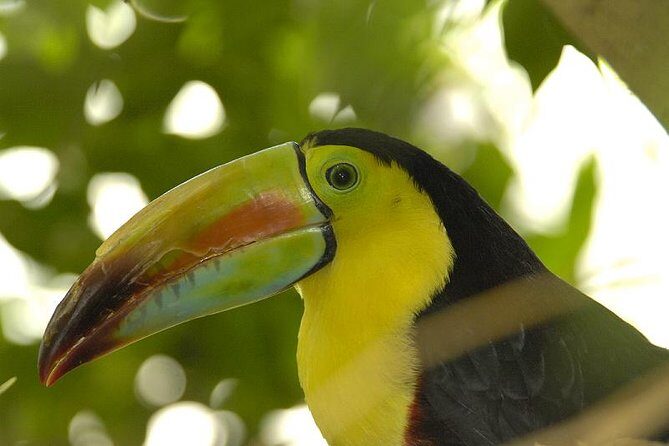
In the Tropic Zone, you get the warm, busy feel you’d hope for in a zoo section devoted to tropical wildlife. This is where you’re likely to spot energetic monkeys (titi monkeys are a crowd favorite when they’re active), along with birds that you can watch in a more open-feeling environment. Even on a cold day, that indoor warmth is a welcome reset.
Then you shift to Temperate Territory, where the mood changes. Expect a more seasonal mix of animal life, and it’s a great zone for spotting standouts like red pandas and snow leopards. This area helps break up the visit so it doesn’t feel like you’re repeating the same enclosure vibe again and again.
Finally, the Polar Circle is where the visit can slow down in a good way. You’re there for penguins—this zoo is home to one of the nation’s largest colonies of Antarctic penguins—and the viewing setup is designed to keep you watching rather than hunting. If penguins are your priority, this is the zone that usually delivers the strongest payoff.
Other Central Park Zoo tickets and experiences



The Tisch Children’s Zoo petting zone (and why it’s a real add-on)
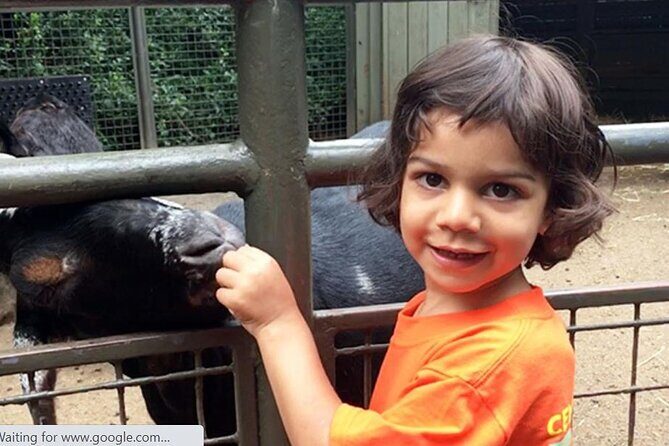
If you’re traveling with kids, the Tisch Children’s Zoo is one of the best reasons to choose this ticket. It’s specifically built for the youngest visitors, with a hands-on petting setup plus a few big, memorable animal moments.
Here’s what you can expect: goats, sheep, and some of the world’s most unique ducks. There’s also a cow that calls Manhattan home, which is one of those simple facts that turns into instant kid excitement. Even if your main goal is the bigger animals, this area is a nice change of pace because it’s interactive.
What I like about including a petting zoo is that it adds variety without adding another ticket or a long detour. You can do the hands-on part when your kids start losing patience, then use the rest of the zoo to cool them back down with penguins, sea lions, and the more watch-and-learn exhibits.
Penguins, sea lions, and the animal mix that works for short days

Central Park Zoo’s best trick is variety without chaos. You’re not stuck in one animal category for hours. You can move from primates to polar animals, and from birds to sea-life style exhibits, all within a manageable timeframe.
Penguins are a headline. The Polar Circle is built for that moment where you finally get that close view. If you’re the kind of visitor who keeps checking for the next movement, you’ll do well here—penguins are constantly doing something, even when they look like they’re just posing.
Sea lions are another highlight. People tend to remember sea lions because they combine movement with personality. You’ll also find that some exhibits are easier to see clearly than you might expect for a smaller zoo, which helps when you’re traveling with kids who can’t stand around.
Monkey watching is also a big win in the Tropic Zone. Even if you’re not a hardcore primate person, it’s the kind of section where activity makes the time feel faster. When they’re playful, the whole zone feels more alive.
And then you get the rest of the mix—things like grizzly bears, plus other polar and temperate favorites—so you can come away feeling like you got more than the obvious highlights.
A note on activity and timing
If your schedule allows it, pick a time when animals are likely to be active. One helpful pattern from recent visits: late afternoon can be a good window for seeing animals doing more than simply hanging out. That doesn’t mean every animal will be active the whole time, but it can help your odds of seeing real behavior.
4D Theater: an easy way to plan around weather and energy
This ticket isn’t just a zoo pass. It includes 4D Theater access, which is a real value when you’re visiting with kids, or when the weather turns.
The 4D experience is located just outside the main zoo area, so it doesn’t break your flow too badly. Many people choose to finish the exhibits first, then go in for the show as a rounded-off finale. That approach works well because it gives you a natural stopping point when legs are tired.
One practical thing I’d do: treat the theater as part of your time plan, not an optional bonus. Because your total visit is usually around 1 to 2 hours, you’ll want to avoid drifting too long in one zone and then feeling rushed for the show.
Also, this is not just a movie. It includes educational programming tied to animals and conservation themes. It’s the kind of break that makes the zoo feel more purposeful, especially for kids who need a change from walking to sitting.
A few more New York City tours and Central Park experiences worth a look
How much is $22.95 worth for this zoo + 4D combo?

At $22.95 per person, the value is all about what kind of day you’re building in NYC.
If you want a short, low-stress experience—animals, a petting area, and a 4D program—this ticket fits the bill. The typical visit is about 1 to 2 hours, which is important in a city where time costs money even when you’re not paying for tickets.
You’re also not paying separately for the 4D Theater access. Since the show is included, it helps justify the cost versus buying zoo admission alone. For families, that’s a big deal because kids often get antsy after about an hour of steady walking.
That said, if you’re expecting a huge zoo with endless enclosures, the price might feel less satisfying. The zoo is smaller, and some people can find certain enclosures more cramped than they’d like. My advice is simple: match your expectations to your schedule. If you want a quick hit of animals in Central Park plus a kid-friendly theater show, you’ll likely feel the value.
Getting there, using your phone map, and avoiding last-entry stress
Central Park Zoo is open daily, and it runs on a pretty straightforward schedule. Hours are 10 AM to 5:00 PM on weekdays, and 10 AM to 5:30 PM on weekends and holidays. Last entry is 30 minutes before closing, so you don’t want to dawdle if you’re trying to see the full loop and still make it to the 4D Theater.
This ticket uses a mobile ticket, and the experience is offered in English. You’re also near public transportation, so you can plug this stop into a larger Central Park day without major detours.
One small practical tip that can save frustration: download or access the zoo map on your phone before you start walking. Paper maps aren’t always available, and having your bearings fast makes the route feel easier—especially if you’re managing kids’ attention spans.
And keep in mind: confirmation is generally received within 48 hours of booking, depending on availability. If you’re traveling near peak time, don’t wait until the last moment.
Best time to visit: activity patterns and how to pace yourself

The best timing depends on what you’re chasing: more animal activity, easier wandering, or a calmer theater finish.
For animal viewing, late afternoon can be a strong window. That’s when you might see more movement in key exhibits like penguin areas and other daily standouts. It also pairs well with the fact that the zoo is compact. You can cover a lot without turning it into a sprint.
For comfort, plan based on the season. The Tropic Zone warmth is a nice break on colder days. On warmer days, you’ll still feel the benefit of having indoor exhibits mixed with outdoor spaces, so you can shuffle between sun and shade.
For pacing, aim for a two-part flow:
1) Do the biomes and the main animal highlights first.
2) Use the 4D Theater after you’ve spent your walking time.
That order can keep the day from feeling like one long waiting game, and it gives you a natural moment to slow down.
Who should book this zoo and 4D ticket?

This is a good fit if you want an animal outing that doesn’t swallow your whole day.
Families with kids often like it because the mix of zones keeps attention from flagging. The Tisch Children’s Zoo petting area is a direct win for younger visitors who want hands-on interaction.
Couples and friends also do well here if you prefer straightforward sightseeing. It’s not a multi-hour commitment, and the layout helps you get clear viewing without feeling trapped in crowds.
If you’re an animal-lover chasing a deep, long list of species, you might find the smaller footprint limits what you can see in one stop. But if your goal is a satisfying Central Park break, this ticket can still deliver.
Should you book? My straight answer
Book it if you want a short, well-organized animal experience in the middle of Manhattan, with 4D Theater included and a petting zoo element for kids. The value comes from what you get inside a manageable time window, especially if you’re building a full NYC day and you need something that won’t run long.
Skip it only if you expect a giant, all-day zoo experience or if you know you’re strongly sensitive to enclosure size. In that case, your money might be better spent elsewhere. For most visitors, this is a practical, charming pause that fits NYC life.
FAQ
What is the price of the Central Park Zoo admission ticket with 4D Theater?
It costs $22.95 per person.
How long should I plan for this experience?
Plan for about 1 to 2 hours.
What are the opening hours for the Central Park Zoo?
The zoo is open 10 AM to 5:00 PM on weekdays, and 10 AM to 5:30 PM on weekends and holidays.
What time is the last entry?
Last entry is 30 minutes before closing.
What’s included with the ticket?
Admission to Central Park Zoo is included, along with access to the 4D Theater and educational programs connected to the theater.
Is the ticket mobile, and what language is it in?
Yes, it’s a mobile ticket, and it’s offered in English.