REVIEW · NEW YORK CITY
New York City: Central Park Highlights Walking Tour
Book on GetYourGuide →Operated by Custom NYC Tours · Bookable on GetYourGuide
Central Park feels like a film set today. This 150-minute Central Park Highlights walk connects the park’s design to what you see on foot, from the big-city makeover behind it to the quiet pockets that feel worlds away from the streets. I especially like the way the tour explains why Central Park changed American cities, not just what to look at.
I also like the thoughtful, unhurried pace. A guide named Jeremy got specific praise for pacing that works even if you don’t move fast. One consideration: this walk is not suitable for people with mobility impairments, and you’ll want comfortable shoes plus on-time arrival since late arrivals can’t be accommodated.
In This Review
- Key highlights worth planning for
- Starting at the Sherman Monument: get your bearings fast
- Grand Army Plaza: the formal gateway to a designed landscape
- Olmsted and Vaux: why this park mattered beyond New York
- Central Park as a movie location: spotting screen corners in real life
- Pond and Gapstow Bridge: classic water views with story behind the scene
- Central Park Zoo and Delacorte Clock: kid-friendly energy, adult curiosity
- The Mall and Bandshell: where grand scale meets calm atmosphere
- Bethesda Terrace and the lake: architecture and atmosphere in the same walk
- The Ramble, Bow Bridge, and Cherry Hill: the quieter side of Central Park
- Literary Walk and Strawberry Fields: culture stops that feel different on foot
- Ending on the Upper West Side: a practical finish point for your next move
- Price and value: what $35 buys you in Central Park time
- When this tour is a great fit (and when it’s not)
- Should you book this Central Park highlights walking tour?
- FAQ
- How long is the Central Park Highlights Walking Tour?
- Where do I meet the guide?
- How large is the group?
- Does the tour run in bad weather?
- What language is the tour guide?
- Is the tour suitable for people with mobility impairments?
- Do I get anything included?
Key highlights worth planning for
- Olmsted and Vaux context: Learn how their work shaped American city design
- Movie and TV filming locations: Spot corners that show up again and again on screen
- A small group (max 10): More guide attention and less crowd chaos
- Photo-friendly route: Stop often enough to take pictures without feeling rushed
- Iconic + quieter stops: Mix major sights with calmer, lesser-noticed areas
- Ends in the Upper West Side: A handy drop-off if you want to keep exploring
Starting at the Sherman Monument: get your bearings fast
The tour begins at the General William Tecumseh Sherman Monument, which is a smart choice. You’re right by Grand Army Plaza, and that location helps you understand the park’s role from the start: this wasn’t just a pretty idea for rich people. It was a planned public space meant to change how people move through, and think about, cities.
From there, the guide sets an easy tempo. The route is designed for a relaxed walk rather than a “see everything at top speed” approach. That matters because Central Park is big, and the value of a highlights tour isn’t ticking boxes—it’s learning what you’re looking at and why it’s worth your time.
If you’re the type who likes to know the story behind what you see, this opening works well. You get a framework early, so each later stop lands with more meaning.
Other walking tours we've reviewed in Central Park & NYC



Grand Army Plaza: the formal gateway to a designed landscape
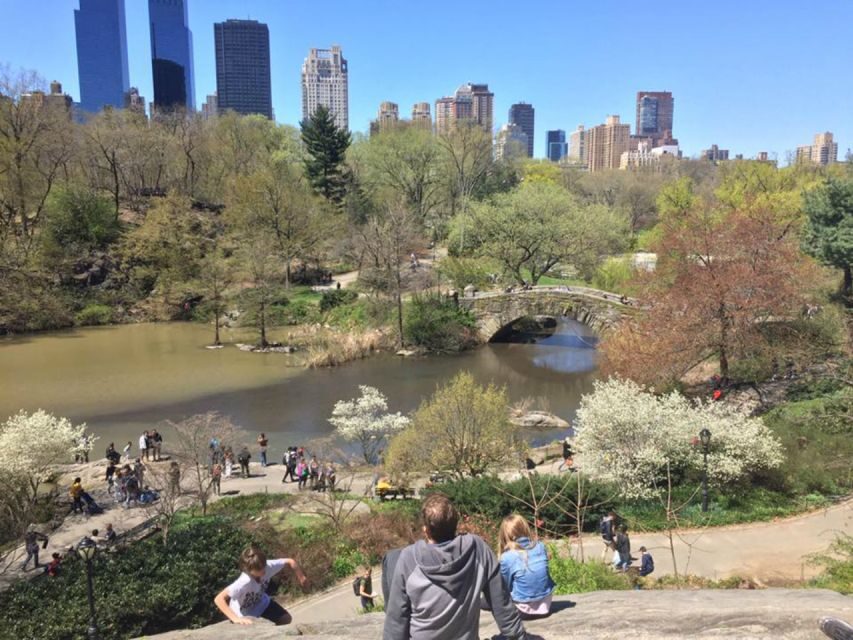
At Grand Army Plaza, you’ll get a short stop to orient yourself. This is the kind of spot that looks impressive even without a guide, but with one, you start noticing the relationships: park vs. city, sightlines, and the intentional feel of arrival.
This is also where you can tell the tour is meant to be leisurely. You don’t rush through the entrance area just to reach the “main attractions.” Instead, the guide uses this beginning point to connect the park’s layout to its purpose, including the ideas behind Frederick Law Olmsted and Calvert Vaux’s urban masterpiece.
Practical takeaway: this is a good moment to take a first set of photos so you’re not scrambling later. Starting here also helps you feel confident about where you are as you move deeper into the park.
Olmsted and Vaux: why this park mattered beyond New York
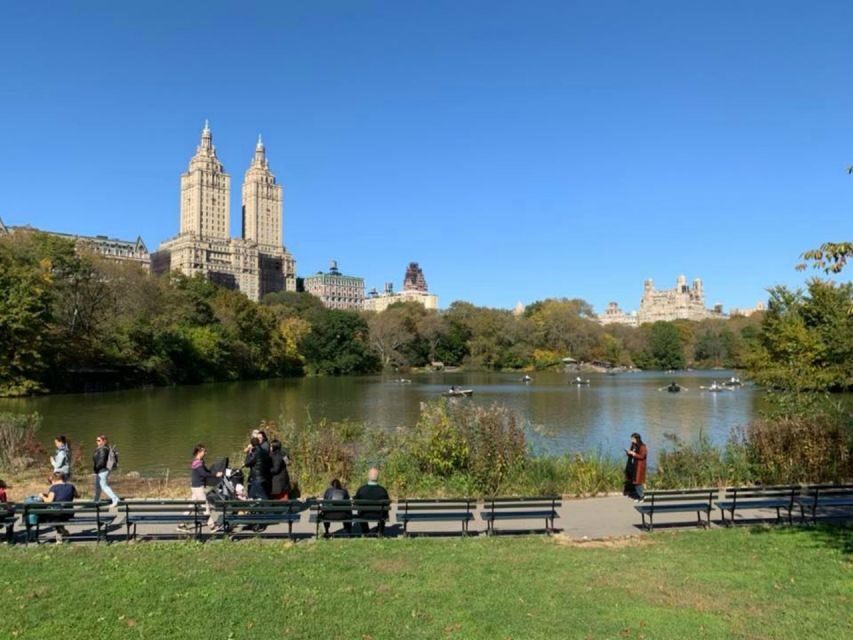
Central Park is famous for its views, sure. But the real payoff here is the explanation of its history and impact on American cities. The guide focuses on Frederick Law Olmsted and Calvert Vaux, and you’ll hear how their vision turned a massive urban site into an organized public refuge.
I like the way this kind of tour treats history as more than dates. Instead of just reciting facts, it gives you a lens for watching how the park behaves: where things open up, where paths guide you, and how different parts of the park create different moods.
That matters because Central Park can feel like a collection of locations unless someone connects them. Once you understand the design logic, you start seeing continuity—like the park is speaking with a single voice instead of many separate attractions.
Central Park as a movie location: spotting screen corners in real life
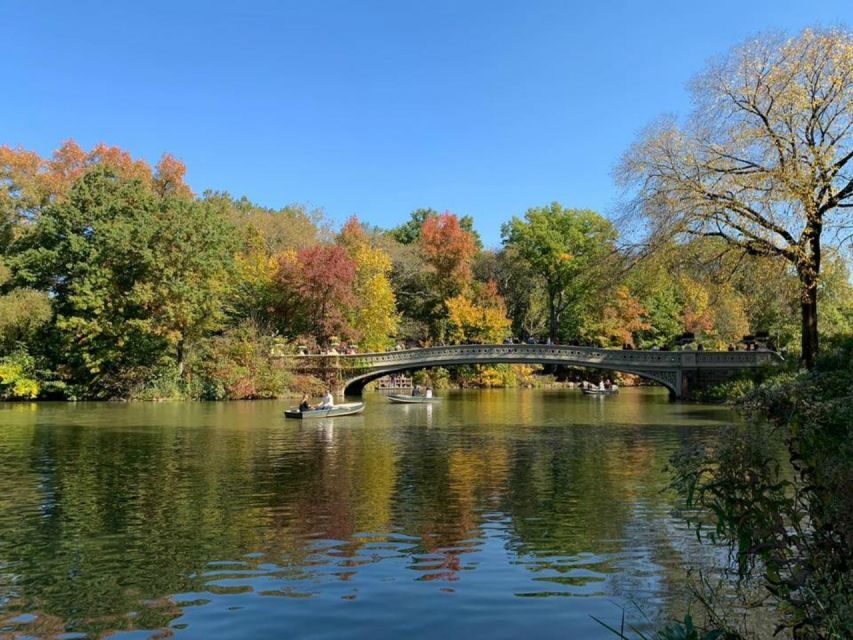
One of the best reasons to do this tour is the focus on filming locations. Central Park shows up in countless movies and TV shows, and the guide points out the spots that viewers recognize instantly—even if they’ve never walked them.
This doesn’t mean you’ll be told a long list of specific titles. The point is to help you look like an insider. You’ll learn how certain areas have the right “camera feel,” from iconic structures to the way paths frame trees, water, and bridges.
If you’re a film fan, you’ll probably get that fun “I’ve seen this” moment more than once. If you’re not, it still works. The movie-reputation angle is really a way to steer you toward visually strong, photogenic parts of the park.
Pond and Gapstow Bridge: classic water views with story behind the scene
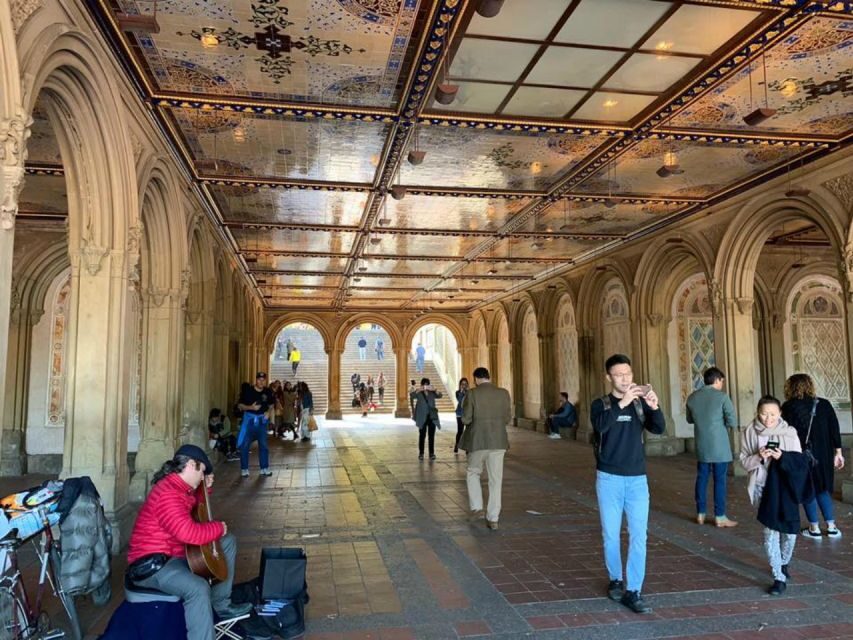
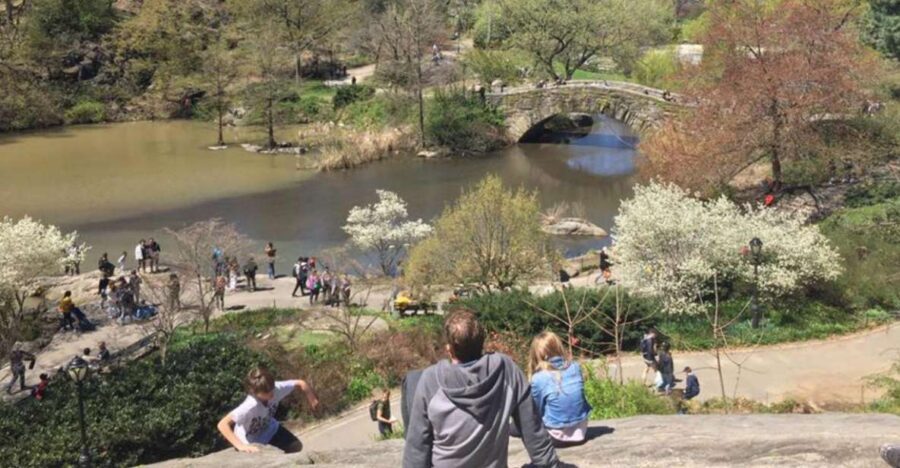
After the big-picture start, you’ll move into the park’s scenic core. Stops like The Pond and Gapstow Bridge are famous for a reason: they give you a postcard view, but they also show you how Central Park uses water and bridges to create rhythm.
This is the kind of section where the guide’s history framing pays off. Instead of just saying, look at the bridge, you start understanding why it sits where it does and how it fits the bigger plan of the park.
A practical note: even on a walking tour, these stops take time in a good way. You should be able to look around, enjoy the atmosphere, and take photos without feeling like your group has already moved on.
Other walking tours we've reviewed in Central Park & NYC



Central Park Zoo and Delacorte Clock: kid-friendly energy, adult curiosity
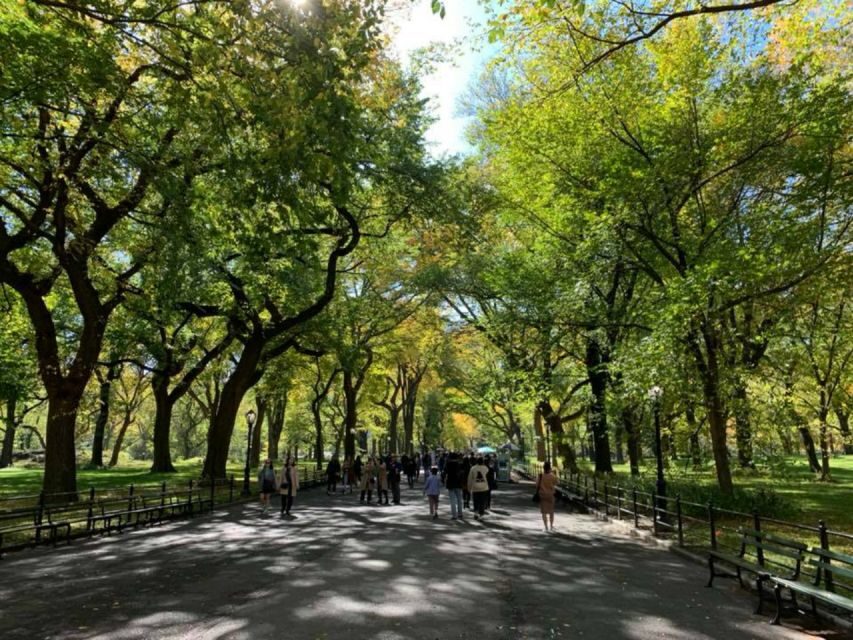
You may also pass by the Central Park Zoo area and the Delacorte Clock. These are the kinds of landmarks that remind you Central Park isn’t only for strolling—it’s a working public destination with ongoing attractions.
The zoo section can be especially interesting if you like understanding how Central Park balances preservation, recreation, and city life. And the Delacorte Clock stop helps break up the scenery so the tour doesn’t feel like one long stretch of “pretty views.” It gives you a change in tempo and a different kind of point to look at.
If you like people-watching, this area often has that lively park-moment feel. Keep your eyes on how the guide keeps transitions smooth between major sights and less obvious corners.
The Mall and Bandshell: where grand scale meets calm atmosphere
As you continue, you may visit The Mall and the Bandshell. These spots are big on sightlines and presence. They feel like Central Park is showing off—yet they’re still part of the same designed system that creates quieter pockets later.
I like that the route includes both “major star” spaces and more contemplative areas. It keeps your brain engaged. One minute you’re absorbing scale and structure; the next you’re slowing down to appreciate what the greenery is doing around you.
The bandshell area is also a reminder of Central Park’s public role. It’s not just a scenic retreat; it’s a venue for gatherings and community life. That adds context to the park’s original purpose.
Bethesda Terrace and the lake: architecture and atmosphere in the same walk
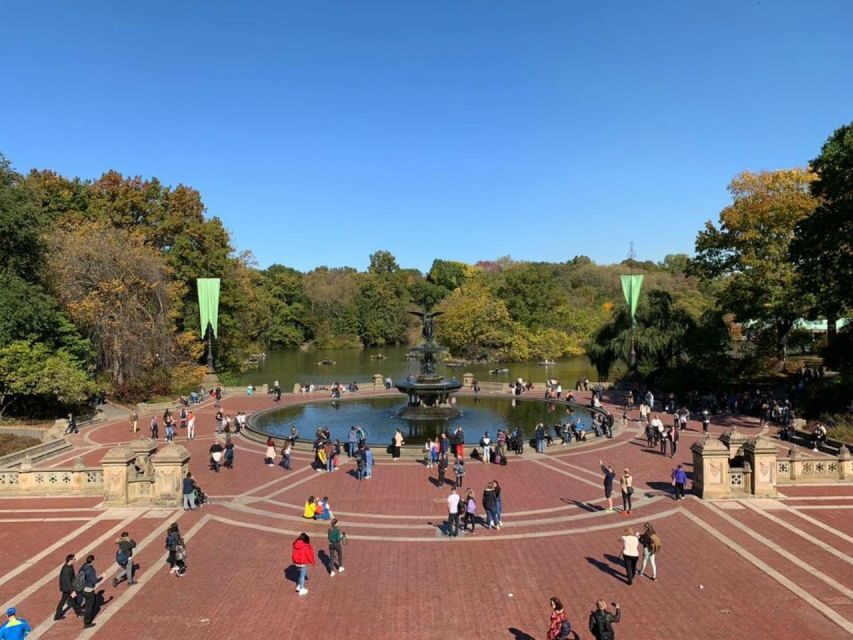
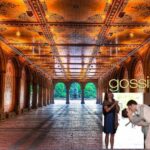
A standout for many people is Bethesda Terrace, and this tour includes it. Bethesda Terrace is one of those places where the details matter. With a guide, you’re more likely to notice the design elements and understand why it became a landmark within the park.
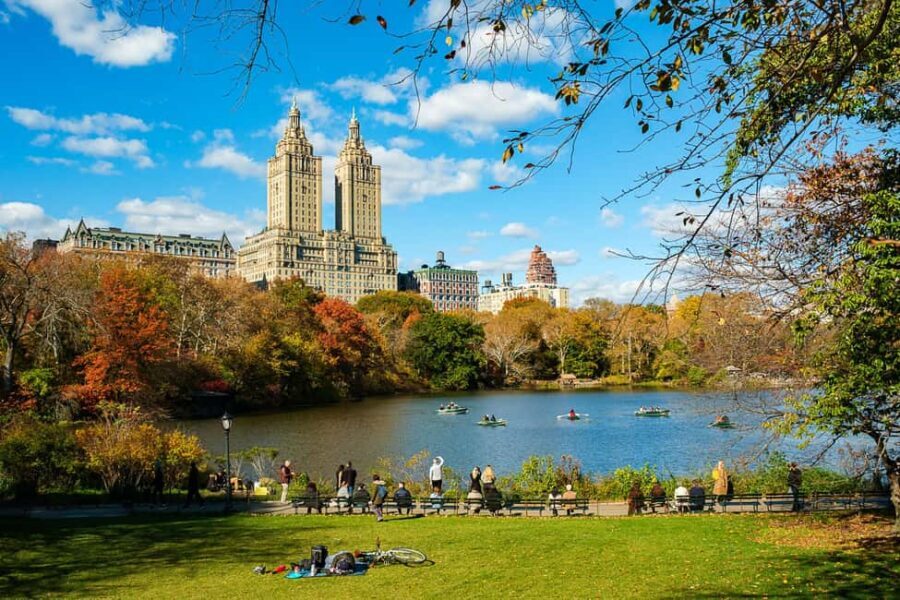
From there, you may continue toward the lake and Boathouse. Water changes everything visually. Light behaves differently, reflections add depth, and the air feels less tight than the city blocks outside.
This is a section where you’ll appreciate the small-group format. When you stop at a major viewpoint, you’re not stuck in a giant crowd trying to get a clear shot. You can look, reposition, and keep moving at a pace that feels comfortable.
The Ramble, Bow Bridge, and Cherry Hill: the quieter side of Central Park
Then comes one of my favorite ideas on a highlights walk: the inclusion of the Ramble, Bow Bridge, and Cherry Hill. This is the part where Central Park starts to feel less like an attraction and more like a retreat.
The Ramble especially helps you understand the park’s power: it can create privacy and a sense of separation inside one of the busiest cities in the world. Even if you only spend a short time there, the mood shift is real.
Bow Bridge and Cherry Hill give you variety. You get classic views that people recognize, but you’re seeing them as part of a route with meaning rather than as isolated stops. That’s the value of a guide who’s connecting dots.
Literary Walk and Strawberry Fields: culture stops that feel different on foot
You may also pass the Literary Walk, which is a subtle but effective way to broaden what Central Park means. Instead of only focusing on nature and architecture, it adds the idea that the park is also a cultural space.
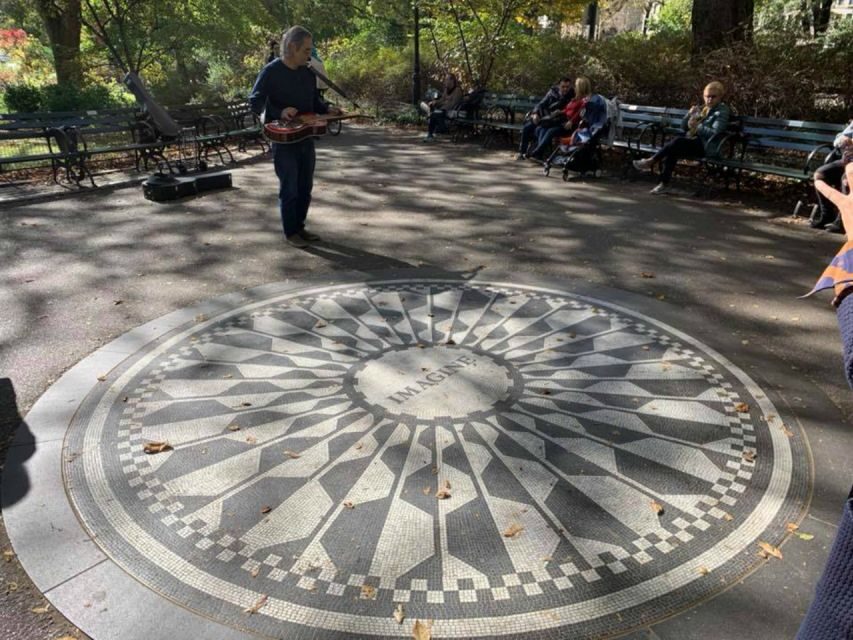
And then there’s Strawberry Fields. This stop shifts the feeling again, from designed scenery to a place with strong emotional weight. Having it on the route makes the tour more than a visual tour—it becomes a human one.
If you’re curious how public spaces can carry memory and meaning, this part is worth paying attention to. Look for how the guide frames the site and how people naturally interact with it.
Ending on the Upper West Side: a practical finish point for your next move
The tour ends at 1 W 72nd St, in the Upper West Side. I like finishes like this because they give you options. You’re not dropped somewhere in the middle of nowhere inside the park—you’re placed in a neighborhood where it’s easy to keep exploring after the walk.
After 150 minutes, you may be ready for a break. The end point makes it simple to switch gears: grab a coffee, wander nearby streets, or head to your next plan without backtracking across the park.
It also helps you feel like the route actually flows. You didn’t just go in circles. You progressed from the formal entrance area through the highlights, and then you surfaced into the city again.
Price and value: what $35 buys you in Central Park time
At $35 per person for about 150 minutes, the value is less about the “attractions” and more about the guide’s role. Central Park highlights are free to see on your own, but the time cost of figuring out the story behind each stop is real—especially if you only have one afternoon.
This tour includes a small-group walking format (limited to 10 participants) and a complimentary park map, which helps you continue your exploration after the tour. You’re also getting an English-speaking local guide who guides pacing and photo moments.
Is it expensive? Not really, if you compare it to what you’d pay for structured guidance in any major city attraction area. The route saves you from decision fatigue and gives you a “what matters here” filter so your time in the park doesn’t feel random.
When this tour is a great fit (and when it’s not)
This tour is a strong match if you want:
- A high-meaning Central Park walk that explains design and history, not just scenery
- Movie-location insight that makes familiar scenes click into place
- A leisurely pace that doesn’t punish you for moving slower
- A route that mixes famous sights with quieter corners like the Ramble
It’s probably not the best choice if you:
- Need a route suitable for mobility impairments, since it’s not listed as suitable for that
- Want a very short, stop-everywhere sprint rather than a 150-minute guided walk
Also keep in mind it runs in rain or shine. If weather can affect your comfort, plan your expectations accordingly and come prepared to walk through whatever conditions you get.
Should you book this Central Park highlights walking tour?
If your goal is to see Central Park in a way that feels connected—history, design, iconic landmarks, and the spots that pop up on screen—this tour is a smart use of time. The small group size and the emphasis on a steady pace are big wins, especially if you’d rather enjoy the park than race through it.
I’d book it if you like tours that teach you how to look. You’ll come away with a park that makes sense, not just a set of photos.
If you’re trying to squeeze Central Park into a single “quick hit” with minimal walking, or if mobility access is a priority, you may want to look for another format.
FAQ
How long is the Central Park Highlights Walking Tour?
It lasts 150 minutes.
Where do I meet the guide?
Meet your guide in front of the General William Tecumseh Sherman Monument.
How large is the group?
The tour is a small group with a maximum of 10 participants.
Does the tour run in bad weather?
Yes. The tour takes place rain or shine.
What language is the tour guide?
The tour is conducted in English.
Is the tour suitable for people with mobility impairments?
No. It’s not suitable for people with mobility impairments.
Do I get anything included?
Yes. You get a small-group walking tour, a local guide, and a complimentary park map.