REVIEW · CENTRAL PARK
Central Park: Highlights Running Tour
Book on GetYourGuide →Operated by City Fit Tours · Bookable on GetYourGuide
Running through Central Park changes the whole day. This one-hour highlights running tour is built for getting your heart rate up while you see the park the way New Yorkers do it: moving, stopping, looking, and learning. You’ll get iconic stops like the John Lennon memorial, plus signature photo-and-sight areas such as the Great Lawn and Bethesda Fountain, all with big-city skyline views layered around the trees. I especially like the way it turns a simple run into a guided story, and I like the relaxed pace that keeps it fun instead of a workout grind. One thing to consider: this is a true running tour, so if you’re not comfortable covering about 4.5 miles on foot, you’ll be stressed instead of enjoying.
I also like that the tour doesn’t feel like a scavenger-hunt checklist. It’s more like training with context—brief warm-up stretches, then a route that keeps dragging your eyes back up at the sky. The guide-led stops (often for monuments and statues) make the time go faster, and you’ll leave with a clearer sense of how Central Park fits into New York’s geography and identity. The second consideration is logistics: you’ll carry your own stuff, since there’s no bag drop or lockers.
If you’re an active traveler who wants more than a sightseeing walk, this is a strong pick. Local guides run it, and you may even get memorable personalities—Michael and Vivian are names that have shown up from past participants. And yes, you’ll get pictures taken along the way, but you’ll likely want your own too, since one review wished for more photo time.
In This Review
- Key Highlights at a Glance
- Why a Central Park Run Beats Treadmill Miles
- Meeting at the Jose Marti Statue: First Moments Matter
- The 4.5-Mile Course: Iconic Central Park Stops You’ll Actually See
- John Lennon memorial: Where meaning meets the park’s rhythm
- Great Lawn: The wide-open perspective
- Bethesda Fountain: Classic, cinematic, and worth the pause
- Skyline Views and City-to-Park Contrast
- Guide Energy: What You’re Really Paying For
- Pace, Comfort, and the Stuff You Carry
- Wear what you can run in
- Carry less. You’ll carry it.
- Not allowed: pets and large bags
- Price and Value: Is $49 Fair for Central Park?
- Who This Central Park Running Tour Is Best For
- What You’ll Remember After: More Than Photos
- Should You Book This Central Park Highlights Running Tour?
- FAQ
- Where is the meeting point for the Central Park Highlights Running Tour?
- How long is the tour, and how far do you run?
- What sights will we visit during the run?
- Is the tour guided, and what language is it in?
- What should I bring or wear?
- What’s the minimum age to join?
- Is this tour suitable for mobility impairments?
Key Highlights at a Glance
- John Lennon memorial stop with time to take it in while you keep moving
- Great Lawn views that help you feel how Central Park opens up
- Bethesda Fountain as a classic photo anchor during your run
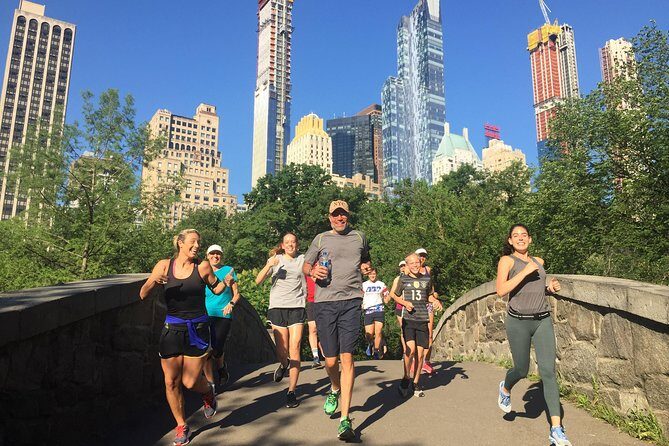
- Skyline-and-nature contrast at lookouts around the park’s edges
- Relaxed guide-led pace with stops for monuments, statues, and stories
- Guide photos along the way, plus plenty of chances to shoot your own
Why a Central Park Run Beats Treadmill Miles
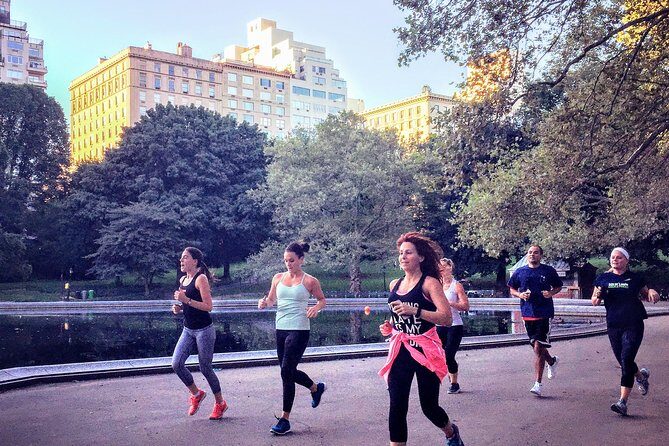
A treadmill is fine at home. But in New York, you’re running through the one place where the city seems to make room for itself. This tour leans into that idea with a “sight-running” format: you don’t just exercise, you travel with your feet.
I like that it’s not trying to turn you into a racer. The pace is relaxed, and you’ll make stops to look at what you’re running past. That means the tour works even if you’re not training for anything specific. It’s also the easiest way I know to cover meaningful Central Park sights without spending your day in circles.
And that’s where the value shows up. For $49, you’re paying for guidance, timing, and access to a route that strings together the park’s best-known icons with skyline moments. You could walk these same sights on your own, but you’d lose the flow that makes this park feel like a real New York escape.
If you're still narrowing it down, here are other tours in Central Park we've reviewed.

Meeting at the Jose Marti Statue: First Moments Matter
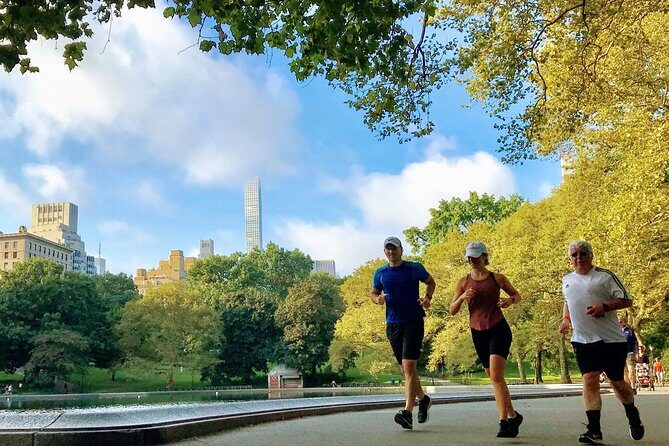
You meet at the Jose Marti Statue, at the park entrance at 59th Street and 6th Avenue. That’s helpful because it sets a clear orientation: you start on the edge of the action and then work your way into the quieter heart of the park.
Right at the beginning, you’ll do a few warm-up stretches. This is practical. If you’ve been sightseeing all morning, you’ll appreciate that slight ramp-up before you settle into the run. It also helps keep the group comfortable, since this is led at a relaxed pace with scheduled stops.
Language is English, and the tour is run by locally based guides. You’ll get an experience that’s built for travelers, but it doesn’t feel like a lecture series. The stories are timed to the route, so you’re not trying to memorize facts while you’re already tired.
The 4.5-Mile Course: Iconic Central Park Stops You’ll Actually See
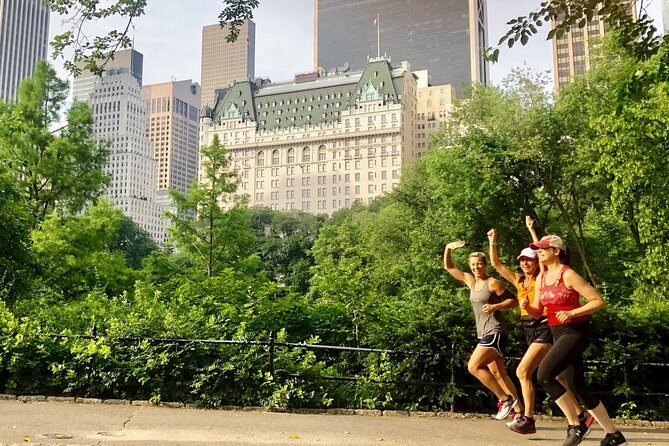
The tour is about an hour long, and the running portion covers roughly 4.5 miles. The key is what that distance means here: you’re not racing nonstop. You’re doing a moving tour with pauses, so you’re still getting exercise without turning the visit into a sprint-and-grab.
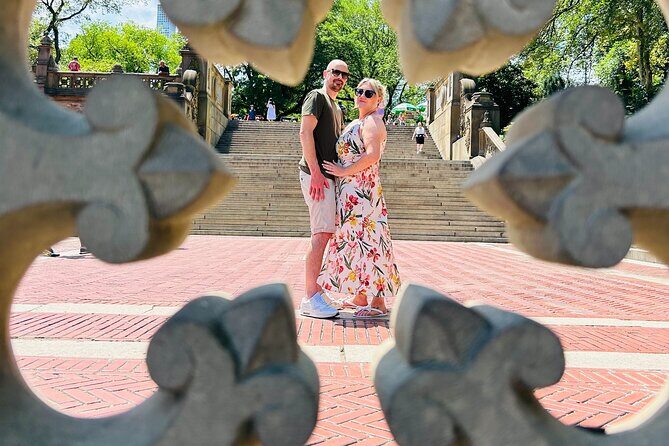
You’ll visit major highlights including the John Lennon memorial, the Great Lawn, and Bethesda Fountain. Those are the kinds of places that instantly help you understand why Central Park is so photographed: the scale, the symbolism, the visual setup for skyline views. Even if you’ve seen pictures before, the real thing hits differently when you arrive while moving through the park’s paths.
John Lennon memorial: Where meaning meets the park’s rhythm
The John Lennon memorial stop is special because it’s not just a landmark—it’s a moment of stillness inside a moving route. You’ll get time to take it in while you’re surrounded by that Central Park sense of people gathering for a shared experience. It’s also a great photo stop because your angles naturally open up to the surrounding greenery.
If you’re the type who likes context (rather than just a quick stop), this is the place where the guided approach helps. You’ll hear Central Park came to be and learn details as the tour moves along, so the memorial lands within a bigger story about the park.
Great Lawn: The wide-open perspective
The Great Lawn is all about feeling the park’s openness. You get wide sightlines, and that’s what makes it such a strong contrast to the surrounding city. In a few minutes here, you can switch from “I’m walking around” to “I’m inside a landscape.” And yes, you’ll also get those look-and-see skyline views that make Central Park feel like the city’s own backyard.
For me, this is one of the stops that justifies the running format. When you travel by foot at an easy pace, you can take in the changes in terrain and space without needing to stop your entire day.



Bethesda Fountain: Classic, cinematic, and worth the pause
Bethesda Fountain is a Central Park magnet for a reason. It’s one of those places where your eyes automatically slow down. During this tour, you’ll reach it as part of the route, and the guide-led stop makes sure you don’t treat it like a quick photo backdrop.
This is also where the “sight-running” concept works best. If you were only walking, you might pass it too quickly. If you were only running hard, you’d miss why everyone points their cameras there. The balance is the point.
Skyline Views and City-to-Park Contrast
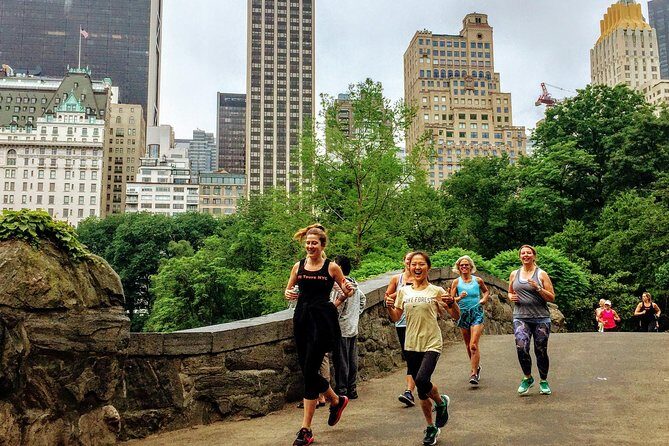
One of the tour’s strongest features is that you’ll keep landing on spots with breathtaking views of the surrounding skyline. Central Park is famous for its greenery, but it’s equally famous for the way the city frames it.
This matters because it changes how you understand New York. You stop thinking of the park as something separate from the city and start seeing it as part of the city’s design—an urban escape right next to big walls of buildings.
Practically, these view stops also help your effort. When you’re in a steady run, your mind can get repetitive. When you hit an outlook, it resets your attention. That’s how you keep the run feeling like sightseeing instead of chores.
Guide Energy: What You’re Really Paying For
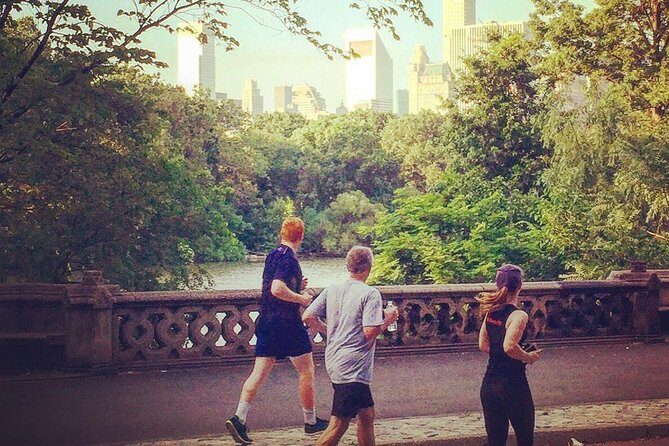
You’re paying for a guide, but not just for general commentary. The guide controls the pacing and the flow of stops so you don’t lose time or momentum.
Past participants have praised guides by name—Michael is noted for being attentive and stopping at multiple points with explanations for each location. Vivian also received praise for lots of great facts and a strong time-and-pacing balance. That lines up with what the tour promises: locally based guides leading you through the course at a relaxed pace, with stops for monuments and statues.
A small but important detail: the experience is designed so you won’t beat personal best times. In other words, you should expect a guided, photo-and-story run—not an interval session.
Also, if the start location or timing shifts, it’s supposed to be well communicated. That reduces the stress you sometimes get with active tours, where logistics can derail your day.
Pace, Comfort, and the Stuff You Carry
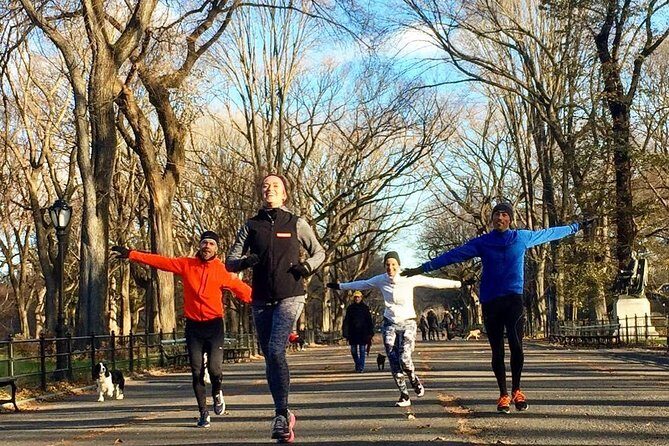
This tour is built for travelers who want to stay active without turning Central Park into a boot camp.
Wear what you can run in
Wear comfortable clothing appropriate for exercise and running shoes. Bring sunscreen. You’ll be outside, and Central Park weather can swing fast—especially if you start in shade and end up in brighter open areas.
Carry less. You’ll carry it.
The tour has no bag drop and no lockers. You’ll be required to carry your own things. That’s not just a rule—it’s a quality-of-life issue. If you show up with a heavy bag, you’ll feel it for the full 4.5-mile course.
So pack like you’re doing a short workout: essentials, light layer if you need it, and water if you normally bring it on runs (the tour data doesn’t specify water, so keep it to what you personally need).
Not allowed: pets and large bags
Pets aren’t allowed, and luggage or large bags are also not allowed. If you’re traveling with a backpack, keep it small enough that it won’t feel like luggage for an hour of movement.
Price and Value: Is $49 Fair for Central Park?
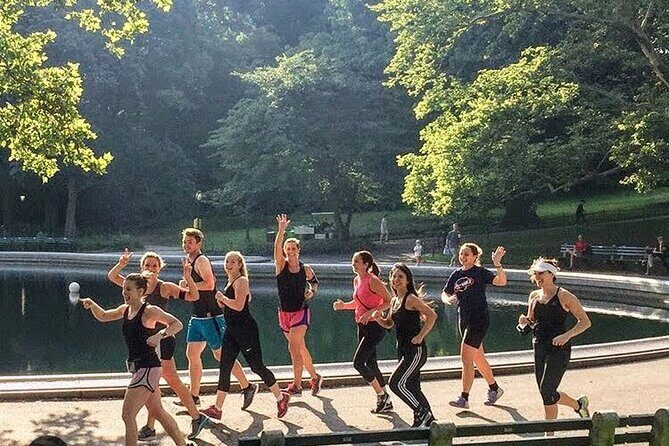
$49 per person is a straightforward price point for a guided active tour. The real value comes from what’s included: a fully guided one-hour running tour with a live English guide. You’re not just getting directions. You’re getting timing, stop-and-learn context, and a route that links multiple iconic sites together efficiently.
Could you do parts of this on your own? Sure. You could run or walk the park and stop at John Lennon memorial, Great Lawn, and Bethesda Fountain. But you’d likely spend more time figuring out where to go next and you’d miss some of the park’s “how it came to be” storytelling that helps the sights connect.
In short: if you want a guided route that’s active enough to feel like exercise but structured enough to feel like sightseeing, this price is reasonable.
Who This Central Park Running Tour Is Best For
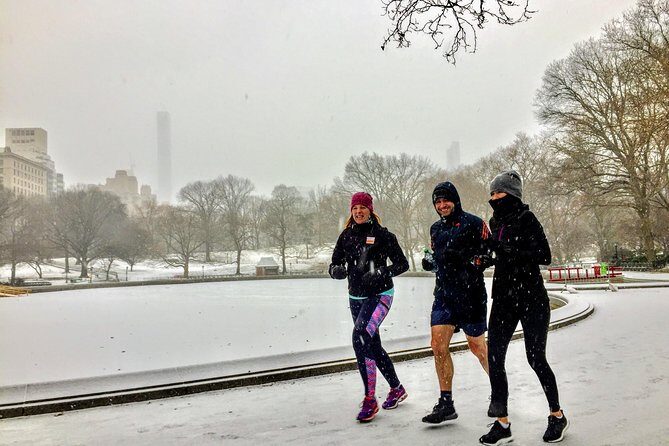
This tour is a good fit if you:
- like to walk-run your days and want the park experience to move with you
- want iconic Central Park sights in a single active outing
- enjoy learning a bit while you’re outdoors, not sitting through a separate tour session
- don’t need to chase speed or records
It’s likely not the best fit if you:
- have mobility impairments (the tour is listed as not suitable for this)
- want a slow, fully seated sightseeing pace
- don’t like carrying your own bag and keeping things minimal
Minimum age is 14. If you have a younger child who’s a very strong and experienced runner and can handle 4.5 miles without struggle, you’ll need to contact the tour operator at least 24 hours in advance.
What You’ll Remember After: More Than Photos
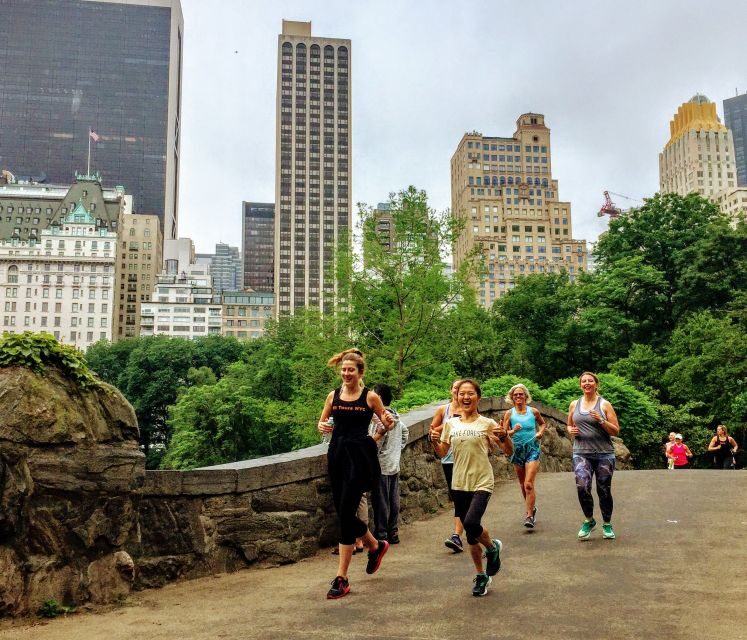
The best part of a tour like this is how it changes your internal map of the park. Instead of thinking of Central Park as a series of famous points, you start to feel it as a route—an active corridor of monuments, lawns, fountains, and skyline views.
I also like that it gives you a reason to look longer. The guide’s stops at monuments and statues nudge you to slow down without killing your momentum. That’s the sweet spot for people who normally fly through must-sees and regret it later.
And because the operator takes pictures along the way (while you can also take your own), you’re likely to leave with enough proof that you actually did something different than another urban stroll.
Should You Book This Central Park Highlights Running Tour?
If your goal is to see Central Park’s most famous sights while getting a real workout, I’d book it. The mix of John Lennon memorial, Great Lawn, and Bethesda Fountain, plus skyline views and guided stops, makes it a smart use of limited vacation time.
I’d skip it only if you’re worried about the running component, need a mobility-friendly format, or hate the idea of carrying your own small bag for the full hour. Otherwise, this is the kind of New York experience that feels practical, memorable, and genuinely more fun than doing the park at random.
FAQ
Where is the meeting point for the Central Park Highlights Running Tour?
You meet at the Jose Marti Statue located in the Central Park entrance at 59th Street and 6th Avenue.
How long is the tour, and how far do you run?
The tour lasts 1 hour and includes a 4.5-mile run.
What sights will we visit during the run?
The tour includes stops at iconic locations such as the John Lennon memorial, the Great Lawn, Bethesda Fountain, and other monuments and statues in the park.
Is the tour guided, and what language is it in?
Yes, it’s a live guided tour in English.
What should I bring or wear?
Wear comfortable clothing for exercise and running shoes. Bring sunscreen. Also bring as little as possible since there’s no bag drop or lockers.
What’s the minimum age to join?
The minimum age is 14. Exceptions may be made for younger participants if they are strong and experienced runners who can handle 4.5 miles, but you need to contact the operator at least 24 hours in advance.
Is this tour suitable for mobility impairments?
No, it’s listed as not suitable for people with mobility impairments.