REVIEW · NEW YORK CITY
Central Park and Upper East Side Walking Tour
Book on Viator →Operated by The Street Teacher · Bookable on Viator
A green break from Manhattan chaos.
This Central Park and Upper East Side walking tour turns 843 acres into a manageable, story-filled stroll. I like how you’re not left to wander blindly; the guide steers you toward the park’s famous features and then carries those ideas right into the Upper East Side.
Two things I really like: the small-group format (up to 12) keeps the pace comfortable, and the guide’s focus on meaning—what you’re seeing and why it was built that way—makes the sightseeing feel earned. One possible drawback: the Upper East Side portion is shorter than the time in the park, so if you’re mainly hungry for mansion-and-museum depth, you may want to plan extra time after.
In This Review
- Key highlights you’ll feel fast
- Why this Central Park + Upper East Side mix works
- Getting started at Doris C Freedman Place (and why timing matters)
- Pulitzer Fountain: the quick history opener
- Central Park’s core highlights without the overwhelm
- Wollman Rink: seasonal energy with a real backstory
- Bethesda Terrace: design details that make the park feel intentional
- Belvedere Castle and Turtle Pond views: a mini break from the city
- Leaving the park: Upper East Side without losing the story thread
- The Cook Block and townhouse-style history
- New York Society Library: a quick detour with big character
- The Met area: museum scale and why the neighborhood works
- Logistics that affect your comfort (the stuff that really matters)
- Who should book this tour, and who might not love it
- Is the value good? Here’s how to judge it
- Should you book? My straight answer
- FAQ
- How long is the Central Park and Upper East Side walking tour?
- Where do we meet, and where does the tour end?
- Is the tour offered in English, and do I get a mobile ticket?
- What group size should I expect?
- Do I need a certain physical fitness level?
- During Covid-19, is there any special equipment needed?
Key highlights you’ll feel fast
- A max of 12 people so you can actually hear, ask, and keep moving at a human pace
- Central Park landmarks with context like Pulitzer Fountain, Bethesda Terrace, and Belvedere Castle
- Season-aware fun at Wollman Rink, which shifts between skaters and kids’ rides depending on the time of year
- Upper East Side stories beyond the postcard including the Cook Block and real neighborhood history
- Free admission for the listed stops, so you mostly pay for the guide and your own day
Why this Central Park + Upper East Side mix works
Central Park is huge. That sounds obvious, but it’s the reason first-time visitors waste energy: they treat it like a stroll-through when it’s really a designed landscape with specific views, bridges, terraces, and “rooms.” This tour solves that problem by guiding you through the highlights without pretending you can see the whole park in a couple hours.
Then it does something smart. Instead of stopping at the park gate and sending you away, you walk into the Upper East Side, one of Manhattan’s oldest and most classic neighborhoods. You go from the park’s “everyone’s front lawn” vibe to streets where the history comes through architecture, institutions, and the way people built their world—big buildings, smaller townhouses, and cultural anchors.
Other walking tours we've reviewed in Central Park & NYC



Getting started at Doris C Freedman Place (and why timing matters)

You’ll meet at 764 Doris C Freedman Pl, New York, NY 10019 at 10:00 am. That midmorning start is ideal because Central Park is active without feeling like full-throttle weekend mayhem. It’s also early enough that you’ll get good daylight for views, especially around the water and terraces.
One practical note: this is not a hotel pickup tour. You’ll rely on your own transit to the meeting point, which is easy since the start is near public transportation. Wear shoes that can handle uneven park paths and be ready for a moderate walking day.
Pulitzer Fountain: the quick history opener
The tour begins with Pulitzer Fountain, a great warm-up stop. You’ll look at the statue and hear the story behind its history and meaning, plus what used to be nearby (including a note about the Plaza Hotel). This is the kind of start that helps you read Central Park as more than scenery—it’s a place where New York’s public art and city planning connect.
Even if you’ve seen photos, seeing it in person gives you scale. And getting that context early helps later stops click faster.
Central Park’s core highlights without the overwhelm
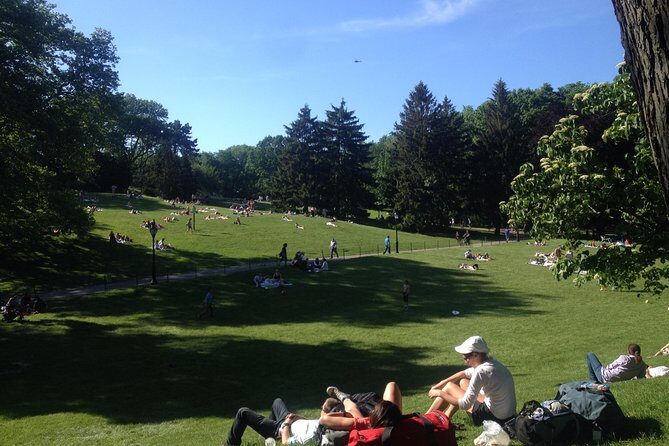
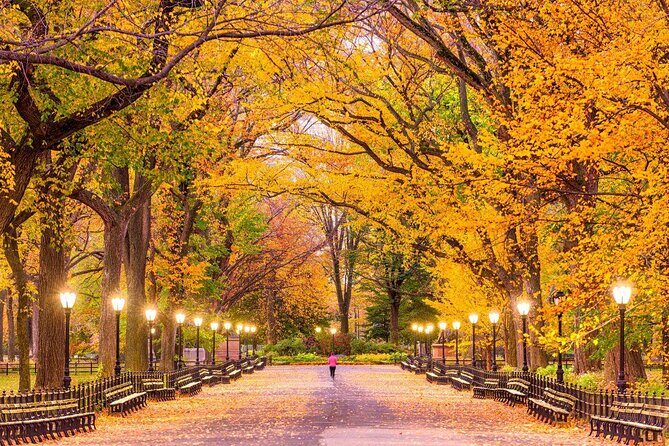
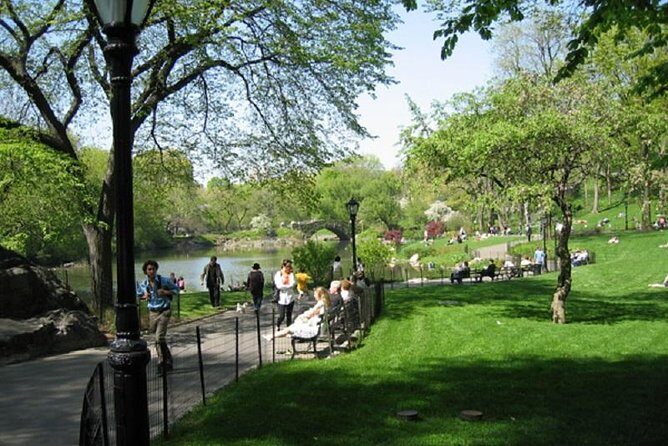
Once inside the park, the guide leads a relaxed walk along the park’s meandering pathways. The tour’s sweet spot is that you’re not trying to conquer all 843 acres. Instead, you’re taken through the “you’d miss this on your own” pockets: the recognizable landmarks, the best views, and the spots that match your mood—sunny Sunday energy, quieter corners, and places where locals actually spend their weekends.
Depending on the time of year, you’ll likely notice real park life in motion: picnicking, biking, jogging, and ice skating when winter conditions allow. That matters because Central Park isn’t frozen in time. It’s actively used, which is part of why it’s preserved and cared for by the city and its neighbors.
Wollman Rink: seasonal energy with a real backstory
Next you’ll head to Wollman Rink, where what you see changes with the season. In winter, it’s all about skaters; in warmer months, you might catch children on carnival rides. Either way, the guide also shares the rink’s colorful and varied history, so you’re not just watching activity—you’re learning how the park keeps evolving while staying itself.
Other walking tours we've reviewed in Central Park & NYC





Bethesda Terrace: design details that make the park feel intentional
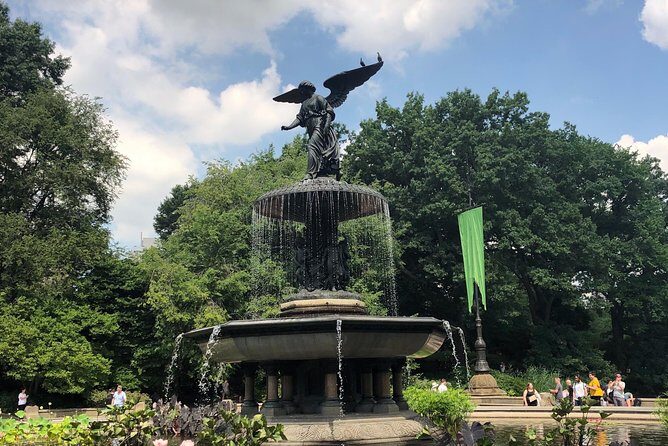
Then comes Bethesda Terrace, a stop that’s pure Central Park character. The tour highlights that it’s the only sculpture in the original design of the park, which is a detail you’ll remember when you see it with your own eyes. This is one of the places where people naturally linger, and the terrace works like a meeting point—good for photos, but better for soaking up the sense of place.
If you like architecture and planning, this stop is a payoff. It’s proof that Central Park wasn’t just planted; it was designed.
Belvedere Castle and Turtle Pond views: a mini break from the city

After a “refreshing walk in the woods” (yes, it really feels like that inside the park), you’ll reach Belvedere Castle. The tour focuses on the “castle” as a folly designed by Calvert Vaux, and it notes that the structure has been newly restored.
The main reason to care is the viewpoint. Belvedere Castle sits above Turtle Pond and offers a magnificent look toward the Great Lawn. It’s the kind of moment that makes you understand why people come to Central Park even when they don’t have a specific plan—because the park has built-in “pause points.”
Leaving the park: Upper East Side without losing the story thread
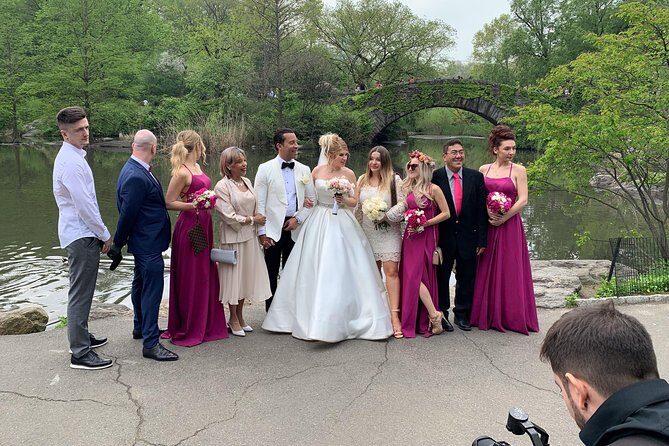
After about 2 to 3 hours walking (pace depending), you’ll shift from the park into the surrounding neighborhood: the Upper East Side. This is where the tour stays interesting for more than one reason. You’re not only looking at big buildings; you’re learning how the neighborhood became what it is.
You’ll admire stately apartments and hotels and pass boutiques along broad avenues. But the guide also frames it as a neighborhood of people and institutions from around the world, not just a place for moneyed stereotypes.
The Cook Block and townhouse-style history
One of the named neighborhood stops is the Cook Block, plus a look at notable townhouses. The value here is that the guide ties the buildings to changing history, so the streets don’t just look expensive—they start to feel meaningful. You’ll also hear about how the area’s story is bigger than any single landmark.
And if your brain likes timelines, this portion helps connect “planned public spaces” in the park to “planned urban life” outside it.
New York Society Library: a quick detour with big character

You’ll stop at the New York Society Library, established in 1754 on Nassau Street and now in its third location. The tour’s angle is practical and human: you’ll hear about distinguished borrowers and what it meant to finally return a book when it was overdue.
This is a smart stop because it gives you a contrast to the museum-heavy or mansion-heavy parts of the Upper East Side. It’s culture, but in a quieter, more everyday form—plus it breaks up the “just keep walking” rhythm.
The Met area: museum scale and why the neighborhood works

The tour also nods to The Metropolitan Museum of Art (the Met), describing it as the largest collection of art in the Western Hemisphere and second only to the Louvre in size. You won’t get a lifetime of galleries in a 2.5-hour walk, of course, but you’ll leave with better orientation: why the Met belongs here, and how the museum connects to the Upper East Side’s identity.
Think of this as museum-planning fuel. If you love art, it helps you decide what to do next—either go inside the Met on a separate day, or at least know what area you’re walking toward.
Logistics that affect your comfort (the stuff that really matters)
This tour runs about 2 hours 30 minutes and keeps a leisurely walking pace. The group size is capped at 12, which you’ll feel in how the guide handles questions and how easily you can hear explanations.
A few comfort notes:
- Bring water and plan for sun or wind. Central Park can still feel exposed, even when you find shade.
- Use layers. Park temperatures can shift quickly from open areas to paths near water.
- The tour is offered in English and you’ll receive a mobile ticket.
- There’s no hotel pickup/drop-off, so plan transit to the meeting point.
During the Covid-19 period, the tour mentions a teleconferencing program option to help you keep distance. If that’s used, bring an earpiece to use with your cellphone.
Also: service animals are allowed, and the tour notes a moderate physical fitness level is expected. If you’re unsure, choose steady pacing over speed—this one works best when you enjoy the walk rather than race it.
Who should book this tour, and who might not love it
I think this is a strong fit if:
- you’re a first-time New York visitor and want the city’s big public spaces with real context
- you enjoy history and explanations tied to what you see in front of you
- you want a guided route through Central Park’s key moments without planning your own mini expedition
- you like small groups and a guide who can match the group’s mood
It’s also a good choice for older couples and folks who appreciate a relaxed pace—the guide quality is a big part of this experience. One name that comes up in feedback is Bill, praised for being friendly, extremely knowledgeable in park history, and for taking people down paths they might otherwise miss.
Where it may disappoint:
- If you want a long, deep dive into Upper East Side buildings or museums, remember the park portion takes the lead and the neighborhood segment is shorter.
- If American history is your only goal, you might find the Upper East Side storytelling varies in what it emphasizes. It’s still meaningful, but it’s not built as a single-topic lecture.
Is the value good? Here’s how to judge it
This tour has a clear “value structure” even without pricing details: the guide is included, the group is small, and the listed stops are free to access (Pulitzer Fountain, Central Park, Wollman Rink area, Bethesda Terrace, and the neighborhood stops including New York Society Library). That means you’re paying for time, routing, and explanations—not for a stack of admissions.
For many visitors, that’s exactly what you want. Central Park is where you get the most visual return per step, and the Upper East Side adds variety without losing the story thread.
Should you book? My straight answer
Yes—if your goal is to see the best of Central Park and understand the Upper East Side without getting overwhelmed. This is a “get oriented and enjoy your day” kind of tour, and it’s built around landmark pacing plus real neighborhood context.
Book it early in your trip if you can. Once you’ve walked it once, you’ll know where you want to return—whether that’s for a longer look at Bethesda Terrace, more time near Turtle Pond, or an afternoon inside the Met.
If you already know you want hours inside museums or you’re craving deep, block-by-block neighborhood specifics, consider pairing this with a separate plan afterward. That way you get both the guided highlights and the time to go at your own tempo.
FAQ
How long is the Central Park and Upper East Side walking tour?
It runs for about 2 hours 30 minutes.
Where do we meet, and where does the tour end?
The tour starts at 764 Doris C Freedman Pl, New York, NY 10019, and ends at 960 Madison Ave, New York, NY 10021. The end point may change while discussing the neighborhood.
Is the tour offered in English, and do I get a mobile ticket?
Yes. The tour is offered in English and you receive a mobile ticket.
What group size should I expect?
The tour has a maximum of 12 travelers.
Do I need a certain physical fitness level?
You should have a moderate physical fitness level for the walking pace and duration.
During Covid-19, is there any special equipment needed?
The tour notes that a teleconferencing program can be used to help keep distance, and you should bring an earpiece to use with your cellphone.