REVIEW · NEW YORK CITY
Guided Bike Tour Of Central Park
Book on Viator →Operated by Bike Rent NYC · Bookable on Viator
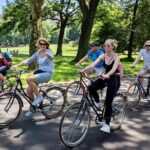
Central Park feels huge on foot, but biking makes it click. This 2-hour guided ride is a fast way to hit major landmarks like Bethesda Fountain, Strawberry Fields, and the reservoir without losing an afternoon. You also get a small-group setup, so the guide can actually help with route flow and safety as you roll past gardens and iconic views.
I like that this tour is practical right away: you’re outfitted with a bike plus a helmet, and you get a map to keep the park making sense even after the tour. The highlight stops are spaced for short looks and photo moments, not long trudges. One thing to consider: clear communication depends on your guide, and a couple of past rides reported trouble understanding English when accents were heavy or English skills were limited.
In This Review
- Key Things to Know Before You Pedal
- Entering Central Park on Two Wheels
- Where the Tour Starts (And Why That Matters)
- How the 2-Hour Loop Works in Real Life
- Bethesda Fountain: The Heart-of-New York Moment
- Central Park Mall: Straightaways, Movie Sets, and Perspective
- Cherry Hill: Bow Bridge Views and a Rest-Stop Feel
- Cleopatra’s Needle: Ancient History With a Modern Neighbor
- Jacqueline Kennedy Onassis Reservoir: Skyscraper Views and Big Photos
- Strawberry Fields: John Lennon’s Mosaic and a Calm Pocket
- Sheep Meadow: Room to Breathe After the Highlights
- Bikes, Helmets, and Comfort Checks You Should Do
- Pace, Safety, and Staying With the Group
- Price Value: What $49 Really Buys You
- When This Tour Is a Great Fit (And When It Isn’t)
- Should You Book This Central Park Bike Tour?
- FAQ
- How long is the guided bike tour of Central Park?
- What does the tour include for the price?
- Where do I meet for the tour?
- What language is the tour offered in?
- How many people are in the group?
- Are the landmarks included in the stops ticketed?
- Can I bring a service animal?
Key Things to Know Before You Pedal
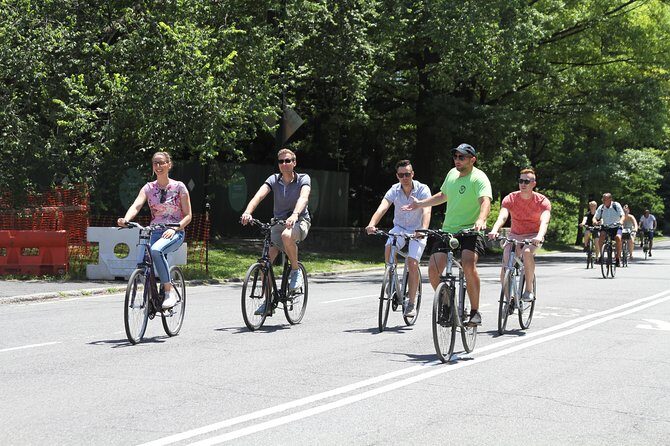
- Small-group pace: max 15 riders, so it feels personal rather than chaotic.
- You’re not just cycling: the guide ties landmarks to stories, plus gives safety and navigation reminders.
- Iconic stops are close together: Bethesda Fountain, Cherry Hill, Cleopatra’s Needle, and Strawberry Fields are all part of the loop.
- Comfort is adjustable: several riders noted seat fitting on arrival can matter, and issues were fixed when requested.
- Park crowds can affect flow: expect slower, more careful riding on busy days.
- You’ll cover a lot, but not nonstop: breaks are short; if you want deep hangs, plan a second visit.
Entering Central Park on Two Wheels
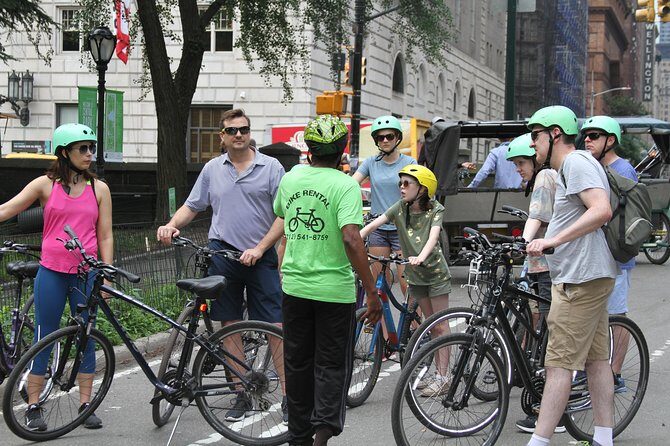
Central Park can be a little tricksy. It’s big, it curves, and it looks different from every angle. By bike, you get the best of both worlds: movement for distance and stops for context. You’ll start with an easy orientation so you know how to ride safely through shared paths and crowds.
The whole experience is built for people who want a quick overview without turning the park into a logistics puzzle. The route is designed around famous photo spots and major landmarks, so even if you’ve only seen parts of Central Park in movies, it starts to feel real fast.
Other bike tours we've reviewed in Central Park & NYC


Where the Tour Starts (And Why That Matters)
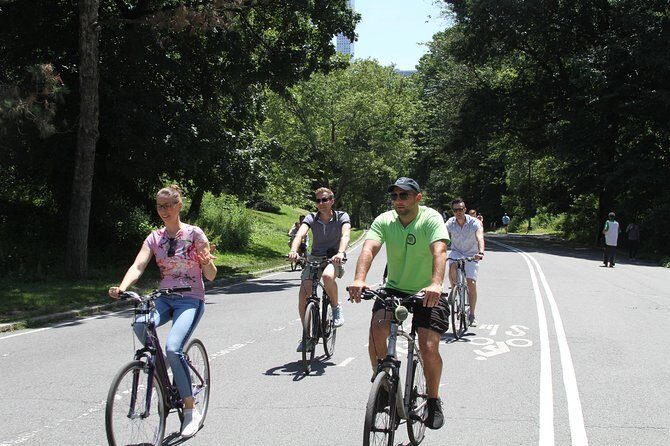
Your meeting point is at 203 W 58th St, New York, NY 10019. This location is useful because it puts you close to the park entrance zone most people naturally aim for when they want the classics. It’s also near public transportation, which helps a lot in New York when parking can turn into a time sink.
Since the tour ends back at the meeting point, you don’t have to worry about chaining rides or building a return plan. That simplicity is a real value add when you’re trying to fit Central Park into a busy day.
How the 2-Hour Loop Works in Real Life
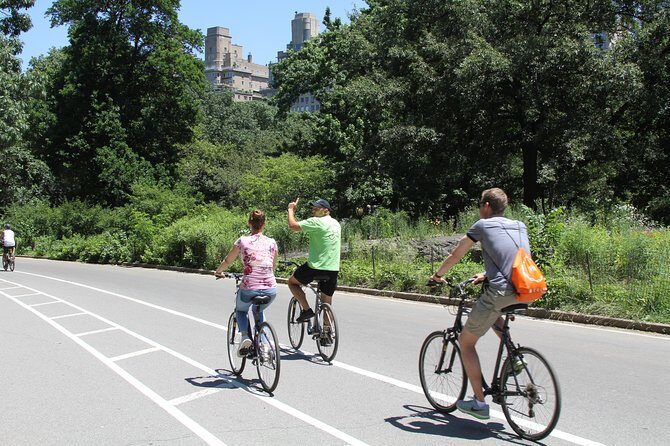
This ride runs about 2 hours, with short breaks at key sites. That timing is ideal for first-timers because it gives you a “greatest hits” sweep while you’re still fresh enough to explore on your own after.
Two practical notes from experience-based feedback:
- You may not always get a full, exact 2 hours if the schedule tightens a bit due to crowds or routing.
- If your group gets spread out, it’s easier to miss a narration moment between stops. Staying closer to the guide helps you catch the stories and directions.
Also, you’ll notice the park can be busier than you expect. One Sunday-morning ride described tricky mixing with walkers, runners, and other cyclists. So even though cycling feels controlled, you still need situational awareness.
Bethesda Fountain: The Heart-of-New York Moment
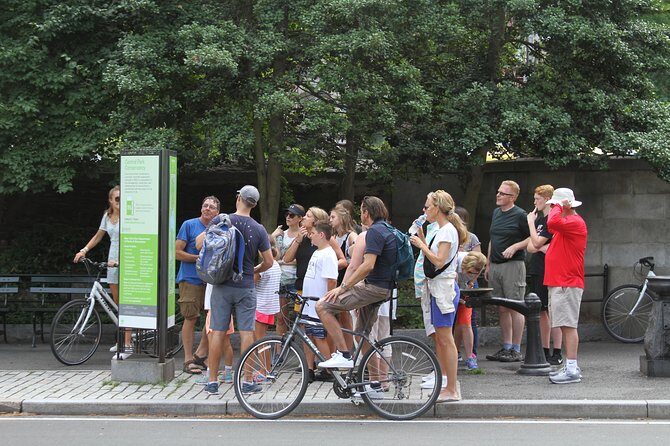
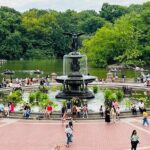
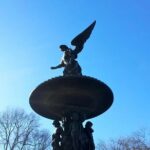
The tour begins its main sightseeing with Bethesda Fountain. It’s one of the most recognizable landmarks in Central Park and sits very close to the park’s geographic center. That location matters because it gives you an immediate sense of how the park is organized around a central idea.
You’ll get about a ten-minute stop to look around, take photos, and absorb why this spot keeps showing up in pop culture. The best part is that you’re not rushing past it like a checklist item. The short break format works here because you can step in, frame the fountain, and then move on before the crowd swells too much.
Central Park Mall: Straightaways, Movie Sets, and Perspective
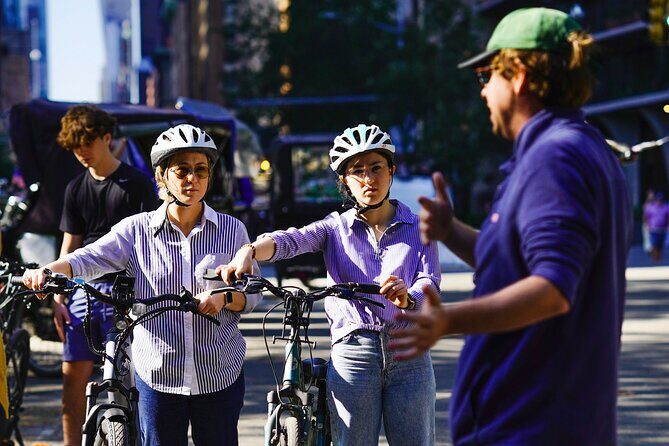
Next comes the Central Park Mall, including the straight segment people talk about because Central Park is otherwise famous for curves and winding paths. It’s also a common filming location, so you may recognize parts of the scenery even if you’ve never been here.
This is a good stop for two reasons:
- It’s visually clear, so you can understand the park’s layout quickly.
- It’s a natural place for the guide’s storytelling, because the setting makes those stories easy to follow.
If you like architecture and “how cities shape views,” this section will feel especially satisfying. Even if you mainly came for photos, you’ll leave with a better mental map.
Other cycling tours in New York City
Cherry Hill: Bow Bridge Views and a Rest-Stop Feel
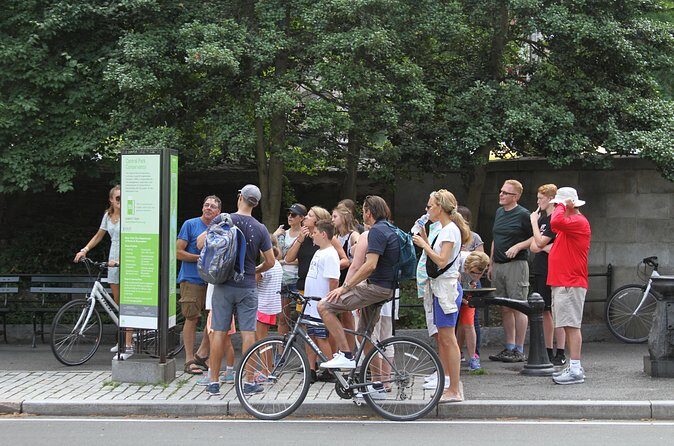
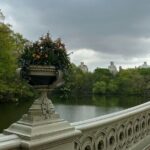
Then it’s over to Cherry Hill, anchored by a fountain and framed by foliage and footpaths. The big draw is the vantage point—this is where you can see the Bow Bridge and the lake area in a single glance.
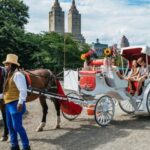
There’s also something practical here: this stop is described as a common rest stop for the horses working in the park. So you may hear and see park operations going on around you, which makes the scenery feel lived-in rather than staged.
One catch: because it’s a photo-friendly lookout, the area can get busy. If you want your cleanest shots, I’d move quickly to your preferred angle when you arrive, then stay a bit for the guide’s points.
Cleopatra’s Needle: Ancient History With a Modern Neighbor
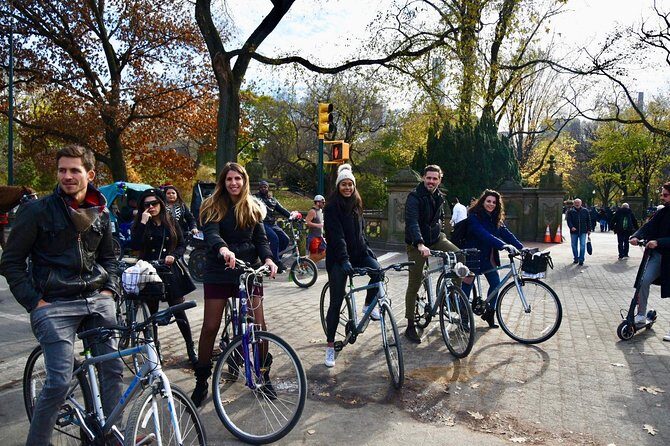
At Cleopatra’s Needle, you’ll see the park’s oldest artifact: a relic from Ancient Egypt that’s been in Central Park for over 2,000 years. The stop is short, but it packs a lot of wow per minute.
What I like here is the contrast. One of the best practical details is how the site sits next to modern landmarks—right behind you is the Metropolitan Museum of Art. That framing helps you understand how Central Park works as a city centerpiece: it’s not isolated greenery. It’s part of the urban machine, and it keeps history right in the middle of the skyline.
If you’re the type who likes a quick history stop without a museum ticket, this is a perfect target.
Jacqueline Kennedy Onassis Reservoir: Skyscraper Views and Big Photos
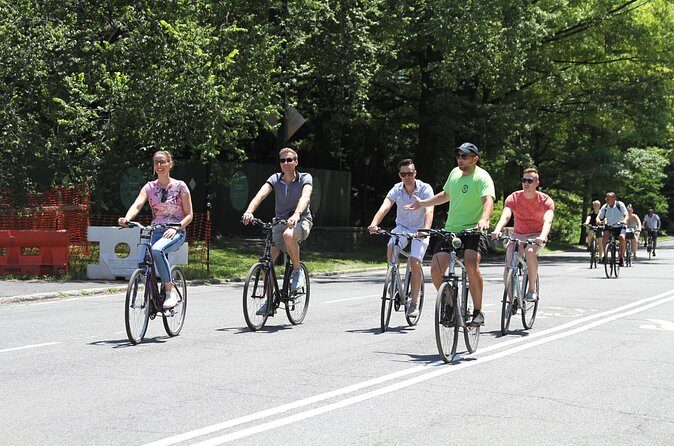
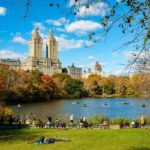
Next is the Jacqueline Kennedy Onassis Reservoir, a large body of water cut into the park and overlooked by skyscrapers. This is one of those spots where biking pays off because you get both the park atmosphere and the city edge in the same scene.
The reservoir is also described as one of the top photography locations. That checks out in a practical way: it’s wide open, so you can step out, compose, and still hear the guide while you’re taking it in.
You’ll get about a ten-minute stop here, which is enough time for photos and quick walking without turning this into a long detour.
Strawberry Fields: John Lennon’s Mosaic and a Calm Pocket
The tour then heads to Strawberry Fields, the John Lennon Memorial. It’s positioned near where Lennon died, and the setting often feels quieter than the surrounding park flow. You may even hear musicians, since this area can draw performers.
This stop is about ten minutes, which works well because it lets you slow down for a moment. It’s not a rushed photo line if you treat it like a short pause: look at the mosaic, take in the mood, and then move on when the group starts rolling again.
If you’re traveling as a couple or solo, this is a strong emotional anchor for the whole tour. It gives you something more personal than fountains and bridges.
Sheep Meadow: Room to Breathe After the Highlights
Finally, you reach Sheep Meadow, a large open pasture for relaxing and recreation. This is the kind of stop that doesn’t need a long explanation. After a string of landmarks, a wide open green space helps reset your eyes and legs.
This is a great place for a breather and quick photos where you can see scale. If you like to stretch out your exploration time after the tour, you’ll understand the area better because you got there by bike, not by guesswork.
Bikes, Helmets, and Comfort Checks You Should Do
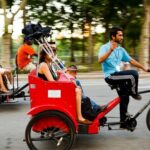
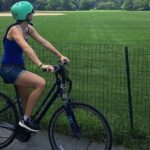
This tour includes a bike and helmet, and the guide brings along a map of Central Park. But the real comfort value comes from doing a simple check when you arrive.
From past experiences, I’d pay attention to these points:
- Seat fit can vary, and one rider reported a seat with a rip until it was swapped after a request.
- Your guide can help adjust bikes to your preferences, and multiple reviews praised guides who knew how to dial in comfort.
Before you roll, do a quick test: can you put your feet on the ground comfortably, and can you reach the handlebars without hunching? If something feels off, ask right away. The tour quality improves fast when the bike fits.
Also, plan for the fact that the park includes some gentle hills. Several riders called out small hills, so it’s not a flat cruise. You don’t need to be a fitness athlete, but you should be ready to pedal.
Pace, Safety, and Staying With the Group
The guide handles safety and routing guidance, including reminders about how to navigate Central Park’s shared paths. This matters because you’re not cycling in a private track—you’re moving through a park full of people at different speeds and with different intentions.
Group size helps. With a maximum of 15, you avoid the worst bottlenecks. Still, keep this in mind: if you end up at the back, you might miss parts of the commentary or even a stop. One rider described missing Strawberry Fields when the tour guide got out of reach and the group had trouble keeping together.
My practical advice is simple: stay within a few bike lengths of the guide during transitions. If you need a bathroom break or a slower moment, tell the guide and coordinate rather than hoping the group catches you.
Price Value: What $49 Really Buys You
At $49 per person for about two hours, this is priced like a budget-friendly activity with real structure. You’re paying for three things:
- A live guide who helps you understand what you’re seeing.
- Transportation (the bike and helmet).
- A time-efficient route that reduces the planning hassle of biking the park yourself.
Given the stop list, this is an efficient way to cover major highlights without spending your energy figuring out where to turn. And you’ll get a map to take the learning and apply it afterward.
If you’ve got only one half-day in New York and Central Park is on your must-do list, this price tends to make sense. If you already know the park well or you love slow wandering, you might prefer free-form exploration. But for most visitors, structured highlights are where biking earns its keep.
When This Tour Is a Great Fit (And When It Isn’t)
This tour is best if you want:
- An efficient overview of Central Park’s most famous sites
- A live guide who adds context to the obvious landmarks
- A mostly easy cycling experience with short breaks
It’s also a good option for families who want to see more than foot sightseeing can deliver. Solo travelers often enjoy the safety feeling of moving as a group, and the pacing is built for short site visits rather than long museum-style stops.
What could make it less ideal:
- If you’re very sensitive to language clarity, ask how English support works. A couple of experiences described difficulty understanding the guide due to accents or limited fluency.
- If you want constant riding with fewer stops, the schedule is checkpoint-based. You pedal, you stop, you look, you pedal again.
Should You Book This Central Park Bike Tour?
I’d book it if you’re planning a first trip or you want the highlights without the mental load. The mix of famous stops—Bethesda Fountain, Cherry Hill views, Cleopatra’s Needle, the reservoir, Strawberry Fields, and Sheep Meadow—fits the park’s “greatest hits” reputation for a reason. Plus, you’re not just getting scenery; you’re getting guided context and bike comfort support.
Skip the tour (or plan to adjust expectations) if you strongly prefer self-paced exploring and you don’t want stops, or if you know you need very clear English narration. Otherwise, it’s a solid value: $49 for a guided, bike-powered Central Park loop that can save you hours of figuring things out.
FAQ
How long is the guided bike tour of Central Park?
The tour lasts about 2 hours.
What does the tour include for the price?
It includes the bike, helmet, a live guide, and a map of Central Park.
Where do I meet for the tour?
The meeting point is 203 W 58th St, New York, NY 10019, USA, and the tour ends back at the same location.
What language is the tour offered in?
The tour is offered in English.
How many people are in the group?
The maximum group size is 15 travelers.
Are the landmarks included in the stops ticketed?
The stops listed in the tour are marked as free (Bethesda Fountain, Central Park Mall, Cherry Hill, Cleopatra’s Needle, the Reservoir area, Strawberry Fields, and Sheep Meadow).
Can I bring a service animal?
Service animals are allowed.
If you want, tell me your travel month and day of week (weekday vs weekend changes the park feel a lot), and I can suggest how to time this so crowds don’t steal your best photos.