REVIEW · NEW YORK CITY
Central Park Bike Tour
Book on Viator →Operated by NYC Park Tours™ | Central Park Tours · Bookable on Viator
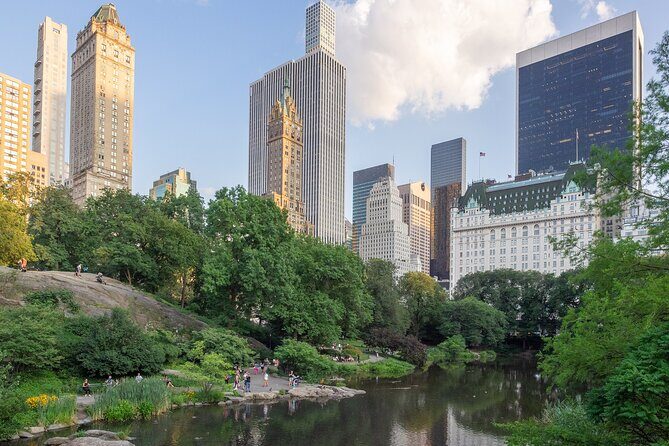
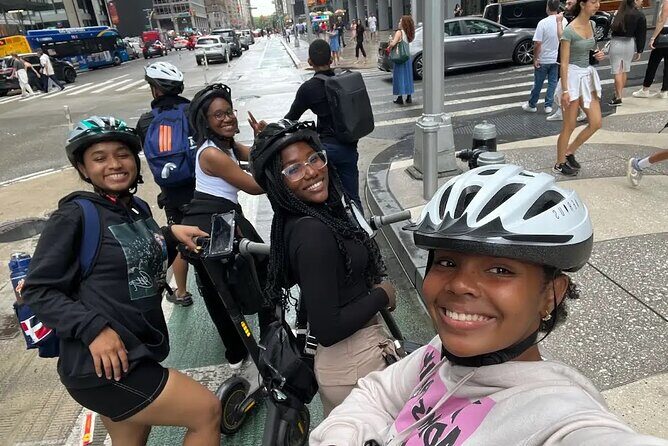
Two hours on two wheels in Central Park. This small-group bike tour is built around easy cruising, quick story stops, and photo moments at some of the park’s most famous landmarks—plus a few less-common corners along the way.
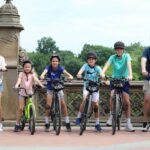
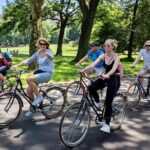
I especially love the personal pace. With a maximum of 10 travelers, you’re not fighting a crowd, and you can roll at a speed that feels comfortable. I also like the way the route mixes big-name stops—think Bethesda Fountain and Strawberry Fields—with fun Central Park traditions.
One thing to consider: this is not a do-everything ticket tour. Some stops are mainly for looking and photos, and Wollman Rink admission isn’t included, so plan on paying separately if you want to go in.
In This Review
- Key things that make this Central Park ride work
- Is a Central Park Bike Tour a smart way to spend 2 hours?
- Price, what’s included, and how it’s actually good value
- Meeting at 1391 6th Ave and riding at your own pace
- The route: Central Park’s best-known sights, plus fun traditions
- Stop for Bethesda Fountain: the Angel of the Waters moment
- Bethesda Terrace: people-watching and a classic viewpoint
- Bow Bridge: famous in movies, easy for photos
- Cherry Hill Fountain: a horse-watering story in stone and tiles
- Alice in Wonderland Statue: kid-sized magic, adult-sized charm
- Strawberry Fields: John Lennon’s memorial
- Belvedere Castle: a folly with practical purpose
- Jacqueline Kennedy Onassis Reservoir: huge scale, decommissioned water
- Central Park Zoo: wildlife near Fifth Avenue
- Carousel: large, classic, and built from hand-carved detail
- The Children’s District: Dairy, playfulness, and Victorian details
- Chess and checkers: a Central Park tradition you can actually see
- Balto statue: a bronze story of an Alaskan husky
- Boathouse: an old spot with a modern dining angle
- The obelisk funding story: a surprising transport tale
- Wollman Rink: quick stop, admission not included
- Morning timing: why a 10:00 am start is more than convenience
- Who should book this Central Park bike tour (and who might skip it)
- Should you book this Central Park Bike Tour?
- FAQ
- How long is the Central Park Bike Tour, and what time does it start?
- Where does the tour meet, and where does it end?
- What is included in the $55 price?
- Do I need a separate ticket for Wollman Rink?
- How big is the tour group?
- What are the minimum age guidelines for bikes?
- What’s the plan if weather is bad or I need to cancel?
Key things that make this Central Park ride work
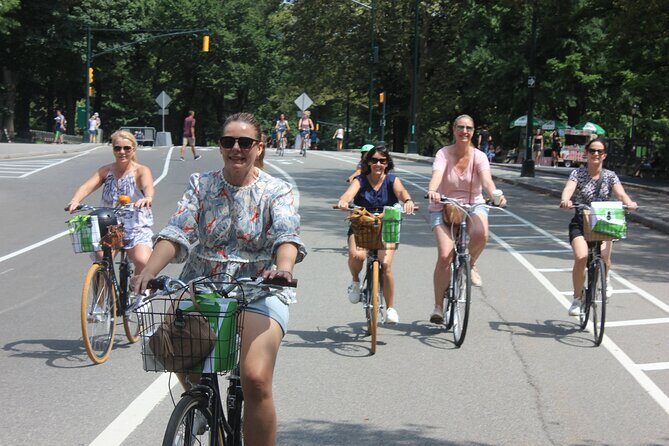
- Small group (up to 10) means the guide can slow down for photos and questions
- Photo-focused stops give you built-in chances to pause at the best angles
- Icon mix + practical fun: fountains, statues, chess/checkers, and playground-adjacent sights
- Bike & helmet included, so you avoid a separate rental headache
- Morning departure leaves the rest of your day open for museums, shopping, or wandering on foot
Is a Central Park Bike Tour a smart way to spend 2 hours?
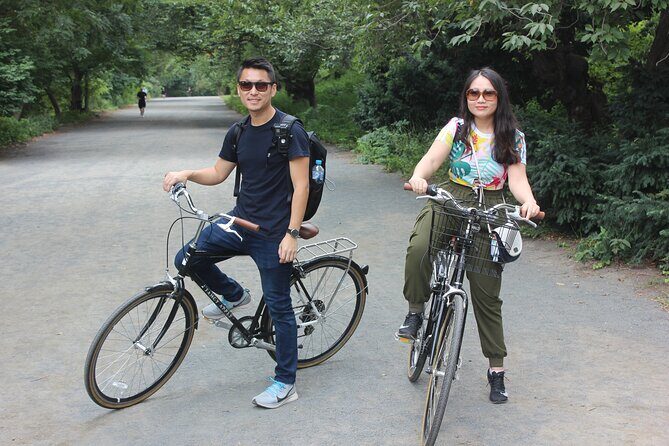
If you’re short on time, a Central Park bike tour is one of the cleanest ways to get your bearings fast. You’re not just riding through greenery—you’re moving between recognizable landmarks, with a guide adding context so the park feels less like a maze.
For me, the biggest win is that Central Park is huge (843 acres), yet the tour stays focused on the most memorable areas and a handful of quieter ones. You end up seeing a lot without feeling rushed. And because the group is capped at 10, it stays calm even at popular photo spots.
This also helps if you’re not a hardcore cyclist. The tour is set up so most people can participate, and the course is described as easy enough that you don’t need to be an avid rider. Your biggest “workout” might be stopping and starting for photos.
Other bike tours we've reviewed in Central Park & NYC
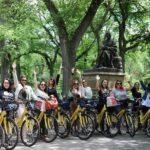

Price, what’s included, and how it’s actually good value
The price is $55 per person for about 2 hours. That sounds simple, but what matters is what’s wrapped into it.
You’re getting:
- Bike & helmet
- Professional guide
- Photographing
- All fees and taxes
So you’re not paying extra for basic equipment or a guide once you’re there. The tour also includes a mobile ticket, and the meeting point is near public transportation, which is handy if you’re bouncing between subway and park.
What’s not included:
- Tips (optional)
- Hotel pickup/drop-off (so you’ll go to the meeting point yourself)
Value-wise, I’d call this a good deal if you want an organized route plus photos without spending time coordinating rentals.
Meeting at 1391 6th Ave and riding at your own pace
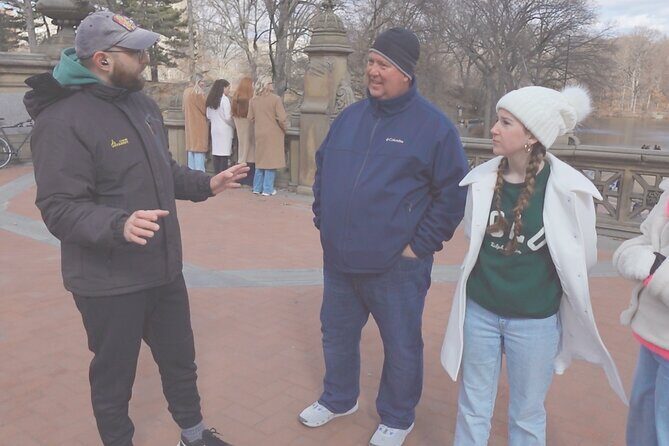
The tour starts at 10:00 am at 1391 6th Ave, New York, NY 10019. It ends back at the meeting point, so you don’t have to solve a “where do we finish?” problem.
Most groups feel predictable: meet, gear up, ride. What’s different here is the pacing. Because the tour limits group size, the guide can adjust the tempo so you’re not sprinting between stops. That’s especially important in Central Park, where you can hit bottlenecks quickly.
Two practical notes based on the tour details:
- Service animals are allowed, so it’s not a “no pets” situation.
- Kids: 6 years old and above have their own bike; 0–5 ride with their parents. If you’re traveling with family, this makes it easier to plan the logistics.
Also, it requires good weather. If it’s canceled because of poor weather, you’ll be offered a different date or a full refund.
The route: Central Park’s best-known sights, plus fun traditions
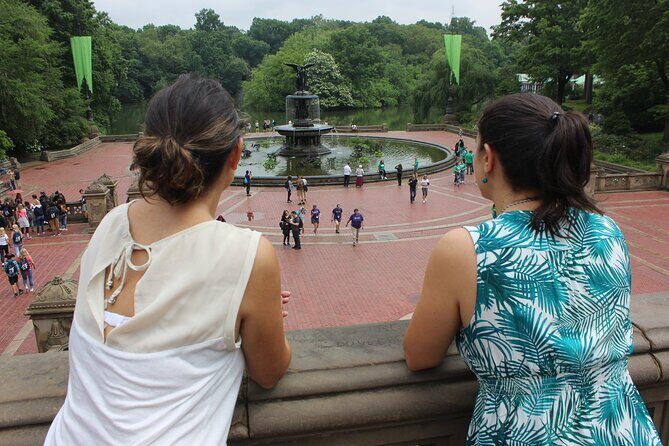
This is a stop-heavy tour, the kind where you’ll spend more time at eye-level landmarks than just riding past them. Expect short pauses for photos and stories, not long sit-down museum moments.
Here’s what you can expect as you roll through the park.
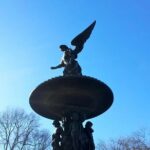
Stop for Bethesda Fountain: the Angel of the Waters moment
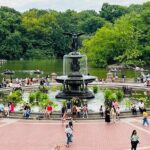
One of the tour’s anchor stops is Bethesda Fountain. You’ll get close enough to appreciate the sculpture Angel of the Waters—a bronze figure with raised wings stepping on stone as water flows into basins below.
Why it’s worth a bike stop: Bethesda Fountain is one of those places where the details reward you for slowing down. From the right angle, you can frame the fountain with park paths and surrounding architecture, so your photos don’t look like generic skyline shots.
Time at this stop is short (about 5 minutes), so come ready to take photos quickly and then listen for the story. This is a “hit the key details” stop.
Other cycling tours in New York City
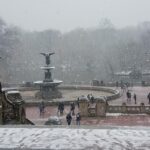
Bethesda Terrace: people-watching and a classic viewpoint
Right around the fountain area, the tour includes Bethesda Terrace. It’s a popular gathering space, and the center of it includes the fountain itself. Even if you don’t go anywhere else in the park that day, this terrace gives you a “Central Park postcard” feel.
What I like here: it’s a natural place to pause and take in how people use the park—sitting, walking, stopping to point out favorite landmarks.
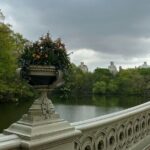
Bow Bridge: famous in movies, easy for photos
Next comes Bow Bridge, a photogenic spot with a reputation far beyond Central Park. The tour notes that it has appeared in movies and TV shows, including Spider-Man 3 and Glee (and several others).
Why this works on a bike tour: the bridge is visually strong from multiple angles. You’re not just photographing a single object; you’re capturing water, arches, and the path line leading you through the scene.
If you’re the type who likes recognizable film locations, this stop adds that extra layer: it feels like you’re spotting something you’ve already seen on screen.
Cherry Hill Fountain: a horse-watering story in stone and tiles
Cherry Hill Fountain is easy to overlook if you’re rushing. But it’s the kind of stop that’s fun because the details are specific:
- It was originally designed as a watering trough for horses in the 19th century.
- The fountain includes a granite dome and a bluestone basin.
- It features Minton tiles.
- The finial was added later (in 1981).
The stop is brief, but the fountain’s design is the point. If you like architecture details and small-but-meaningful park history, this is a great stop to geek out for a minute.
Alice in Wonderland Statue: kid-sized magic, adult-sized charm
The route includes the Alice in Wonderland statue. It was created in 1959 by José de Creeft under commission of George Delacorte, so children could experience Alice in person.
I find it fun because it’s playful without feeling childish. It’s a reminder that Central Park isn’t only “serious monuments.” It also includes whimsy—especially around areas built for children.
Strawberry Fields: John Lennon’s memorial
Strawberry Fields is dedicated to the memory of John Lennon. It’s a 2.5-acre landscaped section designed by Bruce Kelly and named after the Beatles song Strawberry Fields Forever.
This stop matters because it turns Central Park into something personal to people around the world. You can get photos that feel symbolic rather than just scenic. If you’re into music history, this is the moment that probably hits the hardest on the ride.
Time here is about 5 minutes, so it’s more about absorbing the place than lingering.
Belvedere Castle: a folly with practical purpose
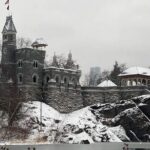
Belvedere Castle is a folly with exhibit rooms and an observation deck, and it also houses Central Park’s official weather station (since 1919). It was designed by Calvert Vaux and Jacob Wrey Mould in 1867.
This stop adds variety to the tour. You get a structure that feels like it belongs to a different era, but it has an ongoing real-world job. It’s a good reminder that Central Park blends beauty with function.
Jacqueline Kennedy Onassis Reservoir: huge scale, decommissioned water
The tour includes the Jacqueline Kennedy Onassis Reservoir, also known as Central Park Reservoir. It’s a decommissioned reservoir spanning 86th to 96th Streets, covering 106 acres and holding over 1 billion US gallons.
Even if you don’t climb any lookout, it’s one of those areas where the sheer scale makes the park feel larger than you imagined. For bike-tour value, this kind of stop is important: it changes your sense of space.
Central Park Zoo: wildlife near Fifth Avenue
The ride also passes the Central Park Zoo, a 6.5-acre zoo located at the southeast corner of the park. It’s part of a wider system managed by the Wildlife Conservation Society and is home to over 130 species, from snow leopards to tropical birds.
Here’s the practical angle: you’ll likely get a view and context on the ride, but the tour’s stop timing is short at many points. If you’re hoping for extended time inside exhibits, plan your expectations. The data only clearly flags ticket detail for Wollman Rink, not the zoo.
Carousel: large, classic, and built from hand-carved detail
You’ll see the Central Park Carousel, described as one of the nation’s largest. The tour notes it features 57 hand-carved horses and two decorative chariots.
It was originally crafted in 1908 by Solomon Stein and Harry Goldstein, and this is one of those objects that works on multiple levels: it’s art, it’s nostalgia, and it’s fun to photograph.
The Children’s District: Dairy, playfulness, and Victorian details
The tour stops at the Dairy, a Victorian cottage designed by Calvert Vaux and built between 1869 and 1871. It sits at the heart of the Children’s District. Originally it was for fresh milk and snacks for children and their caregivers.
This is a great stop if you like how parks evolve. You see that Central Park isn’t frozen in time. It has zones meant for different ages and needs, and this building is part of that story.
Chess and checkers: a Central Park tradition you can actually see
Central Park has tables set aside for chess and checkers, and the tour includes this tradition as a stop. It’s one of those human-scale features that makes the park feel lived-in, not just landscaped.
I love this stop because it’s interactive in spirit—even when you’re not playing, you can feel the rhythm of people meeting up, moving pieces, and hanging out.
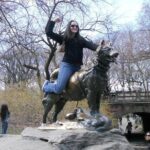
Balto statue: a bronze story of an Alaskan husky
The tour includes a statue of Balto, a bronze figure installed by Frederick Roth. Balto was an Alaskan husky sled dog associated with musher Leonhard Seppala.
This one is quick, but it’s memorable. It’s a reminder that Central Park holds stories that don’t come from Manhattan at all.
Boathouse: an old spot with a modern dining angle
The route includes the Boathouse area. Vaux designed an earlier boathouse around 1874, it burned down, and the current version dates to 1956. The tour notes that you can enjoy a meal in any season, and there’s overhead heating on the deck overlooking the lake.
What makes it worth mentioning on a bike tour: it’s a destination that changes feel depending on the season. Even if you just get a look, you’ll understand why people plan their evenings around it.
The obelisk funding story: a surprising transport tale
The tour also shares a behind-the-scenes story about an obelisk in the park: funding to transport it involved Henry G. Stebbins securing support, and William H. Vanderbilt stepping in with a donation of more than $100,000 for the project.
Why I like hearing this while biking: it stops the day from becoming only a photo checklist. You learn how big park landmarks were made possible, not just how they look.
Wollman Rink: quick stop, admission not included
Toward the end, the tour hits Wollman Rink (in the southern part of Central Park). It’s named after the Wollman family who donated funds for its original construction.
The key detail: stop time is short (about 5 minutes) and admission ticket isn’t included. If you want ice time or ticketed access, you’ll need to handle that separately.
Morning timing: why a 10:00 am start is more than convenience
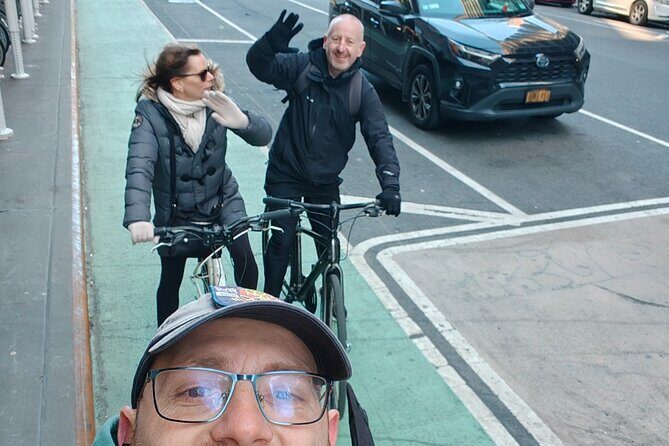
Starting at 10:00 am is a smart choice in Central Park. You get iconic views without spending the whole day in a park line. And because you’re done in about 2 hours, you can pivot quickly to something else—food, museums, or a long walk through neighborhoods outside the park.
It also means you’re not stuck doing the “what do we do next?” thing while the park gets busier.
Who should book this Central Park bike tour (and who might skip it)
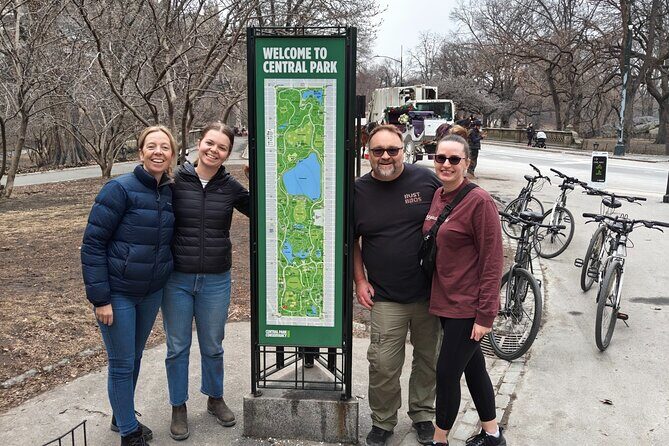
This tour fits you well if:
- You want an organized route that hits major Central Park landmarks
- You’d rather rent once (bike + helmet provided) than figure out a plan on arrival
- You like history and stories, but you don’t want a slow museum pace
- You travel with kids and want a guide to work around biking comfort
You might skip it if:
- You’re expecting lots of sit-down attractions with included admissions, because the stops are mostly short and photo-friendly
- You’re very detail-specific about entering ticketed venues (like Wollman Rink, where admission isn’t included)
One more note from the overall rating picture: the tour sits at 4.6 with 9 reviews. There is at least one unhappy note tied to expectation mismatch, so do read the included parts carefully. If you go in knowing it’s a guided ride with photo stops, you’re setting yourself up for success.
Should you book this Central Park Bike Tour?
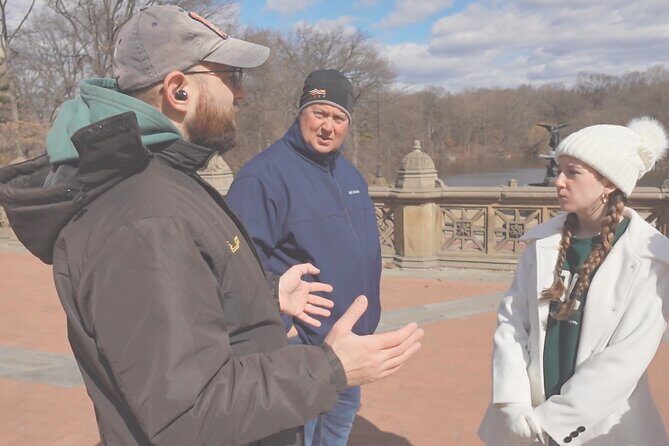
I’d book it if you want a high-value 2-hour Central Park overview with a guide, included bike/helmet, and multiple chances to photograph the park’s best-known spots. The small group size is a big deal, and the ride format is made for people who want fun and context without spending the day coordinating logistics.
If you’re hoping for ticketed indoor time at every stop, treat this as a “see and learn while riding” tour, not an all-access attraction pass.
FAQ
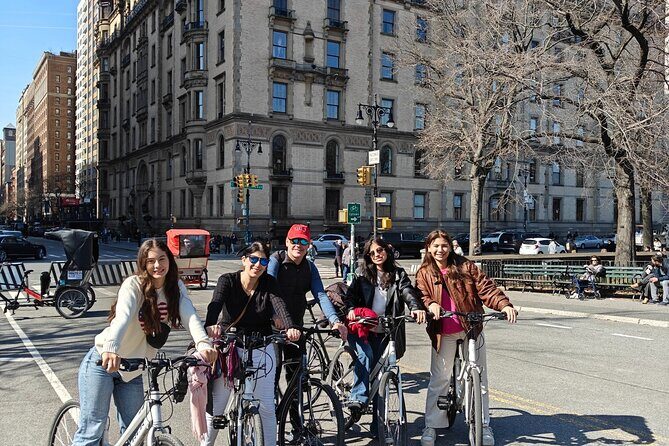
How long is the Central Park Bike Tour, and what time does it start?
It runs for about 2 hours and starts at 10:00 am.
Where does the tour meet, and where does it end?
You meet at 1391 6th Ave, New York, NY 10019, and the tour ends back at the same meeting point.
What is included in the $55 price?
The price includes the bike and helmet, a professional guide, photographing, and all fees and taxes.
Do I need a separate ticket for Wollman Rink?
Yes. The stop at Wollman Rink notes that the admission ticket is not included.
How big is the tour group?
The tour has a maximum of 10 travelers.
What are the minimum age guidelines for bikes?
The tour notes that 6 years old and above will have their own bike, and ages 0–5 ride with their parents’ bike.
What’s the plan if weather is bad or I need to cancel?
It requires good weather. If it’s canceled due to poor weather, you’ll be offered a different date or a full refund. For cancellation, free cancellation is available up to 24 hours in advance for a full refund.